Building stronger thighs can improve lower-body strength, balance and stability while making everyday activities such as walking, climbing stairs and standing up easier. A well-rounded leg workout does not always require expensive equipment or a gym membership. Several effective exercises can be performed at home using body weight, with resistance added gradually as strength improves.
The thigh muscles include the quadriceps at the front of the legs and the hamstrings at the back. These muscles work alongside the glutes and other lower-body muscles to support movement, posture and joint stability. Combining different exercises can help strengthen these muscle groups and improve overall physical fitness.
Here are eight exercises that can be included in a regular lower-body workout.
1. Squats
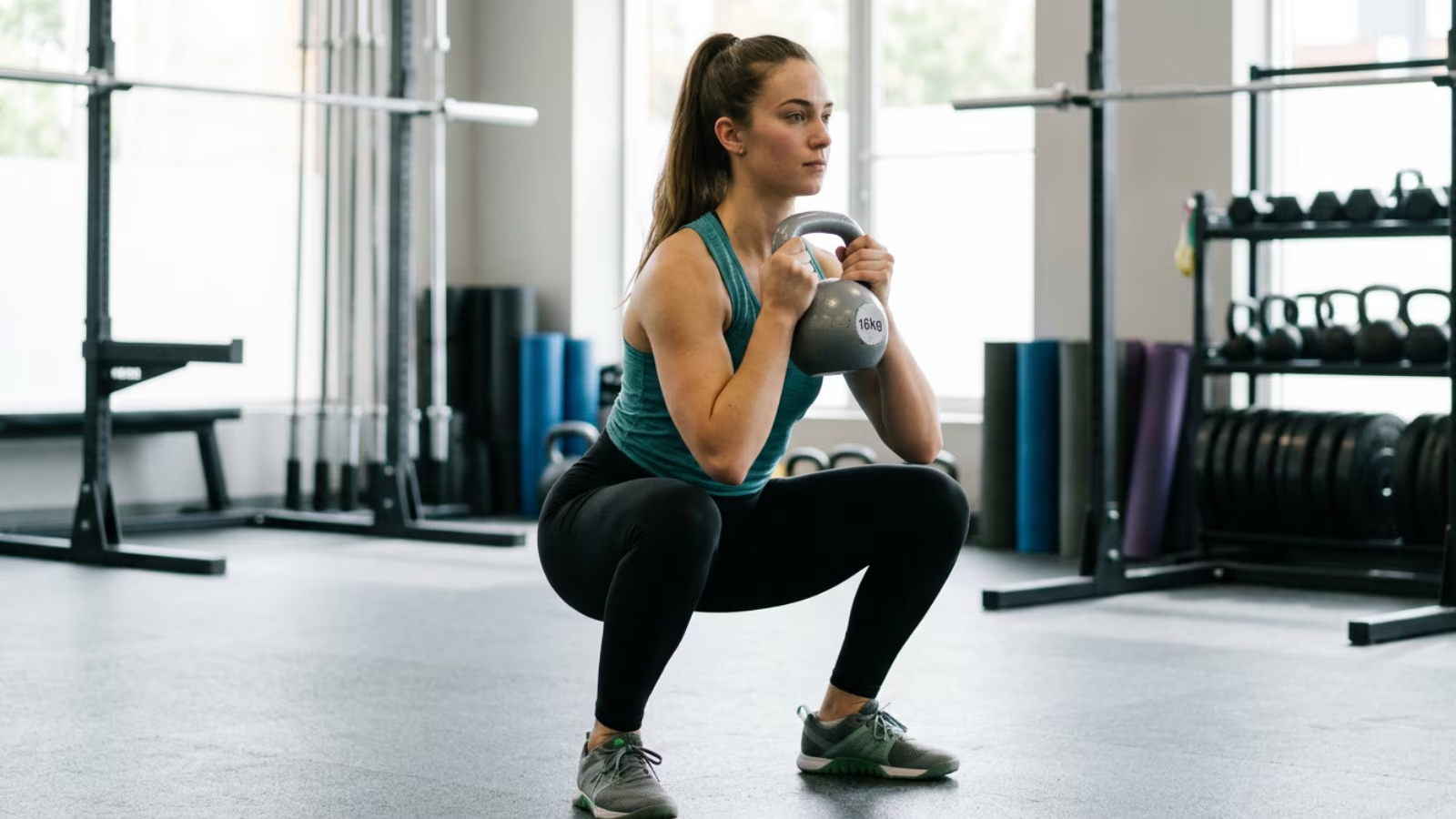
Squats are among the most effective exercises for strengthening the quadriceps, hamstrings and glutes. They also replicate everyday movements, making them useful for improving functional strength.
To perform a squat, stand with your feet approximately shoulder-width apart. Push your hips backwards as though sitting on a chair, bend your knees and lower your body as far as comfortable while keeping your back in a neutral position. Push through your feet to return to standing.
Beginners can practise by lowering themselves onto a sturdy chair before standing up again. Proper technique and controlled movement are more important than depth or speed.
2. Forward Lunges
Forward lunges work the quadriceps, hamstrings and glutes while challenging balance and coordination. Because each leg works individually, the exercise can also help identify differences in strength between the two sides.
Begin standing upright with your feet hip-width apart. Take a comfortable step forward, bend both knees and lower your body while keeping your torso stable. Push through the front foot to return to the starting position, then repeat with the opposite leg.
Start with a small range of motion if necessary, and use a wall or stable support if you need help maintaining balance.
3. Reverse Lunges
Reverse lunges provide another way to strengthen the lower body while developing stability. Some people find them more comfortable than forward lunges because stepping backwards can make it easier to control the movement.
Stand upright and step one foot backwards. Bend both knees to lower your body while maintaining balance, then push through the front foot to return to standing. Alternate legs and keep the movement slow and controlled.
Avoid lowering yourself farther than your mobility comfortably allows.
4. Step-Ups
Step-ups strengthen the thighs and glutes while reproducing the movement involved in climbing stairs. They also help develop coordination and single-leg strength.
Stand in front of a low, stable step. Place one foot fully on the platform and push through that leg to raise your body. Bring the other foot up, then step down carefully and repeat with the opposite leg.
Choose a step height that allows you to move comfortably without leaning excessively or losing balance. Avoid using unstable furniture as a platform.
5. Wall Sits
Wall sits are an effective exercise for developing muscular endurance in the quadriceps. They require no equipment and can be performed in a small space.
Stand with your back against a wall and move your feet slightly forward. Slowly slide down until your knees are comfortably bent, keeping your back supported by the wall. Hold the position briefly, then slide back up.
Beginners can start with a shallow bend and a short hold before gradually increasing the duration. Stop if you experience knee pain or unusual discomfort.
6. Glute Bridges
Although glute bridges primarily target the gluteal muscles, they also engage the hamstrings and support overall lower-body strength.
Lie on your back with your knees bent and feet flat on the floor. Keep your arms beside your body, tighten your abdominal muscles gently and lift your hips until your shoulders, hips and knees form an approximately straight line. Pause briefly, then lower your hips slowly.
Avoid arching your lower back excessively. Controlled repetitions help maintain proper technique.
7. Side Lunges
Side lunges introduce lateral movement into a workout and target the thighs, glutes and muscles responsible for hip stability. They can complement exercises that primarily involve forward and backward movement.
Stand with your feet apart. Shift your weight towards one side, bending that knee while moving your hips backwards and keeping the other leg relatively straight. Push through the bent leg to return to the centre, then repeat on the opposite side.
Begin with a small sideways shift and increase the range only as your flexibility and balance permit.
8. Calf Raises
Calf raises primarily strengthen the calf muscles rather than the thighs, but they are a useful addition to a balanced lower-body routine. Strong calves contribute to walking, standing and ankle stability.
Stand upright with your feet about hip-width apart. Hold a stable support if needed, raise your heels to stand on your toes and pause briefly. Lower your heels slowly to the floor.
Keep your movements controlled and avoid bouncing. The exercise can be performed on flat ground without additional equipment.
How to Build a Balanced Leg Workout
Beginners can start with a few exercises rather than attempting all eight at full intensity in one session. For example, choose squats, supported lunges, glute bridges and calf raises, performing one or two comfortable sets of each.
Allow time for recovery between strength-training sessions, and increase repetitions or resistance gradually as the exercises become easier. A brief warm-up involving gentle walking and comfortable leg movements can help prepare the body for exercise.
Maintaining correct form is essential. Stop if you experience sharp pain, dizziness or unusual symptoms, and seek appropriate professional guidance when needed.
Ultimately, stronger thighs develop through consistent training, adequate recovery and balanced nutrition. Combining strength exercises with regular physical activity can improve lower-body function and help build a sustainable fitness routine without relying on extreme workouts.