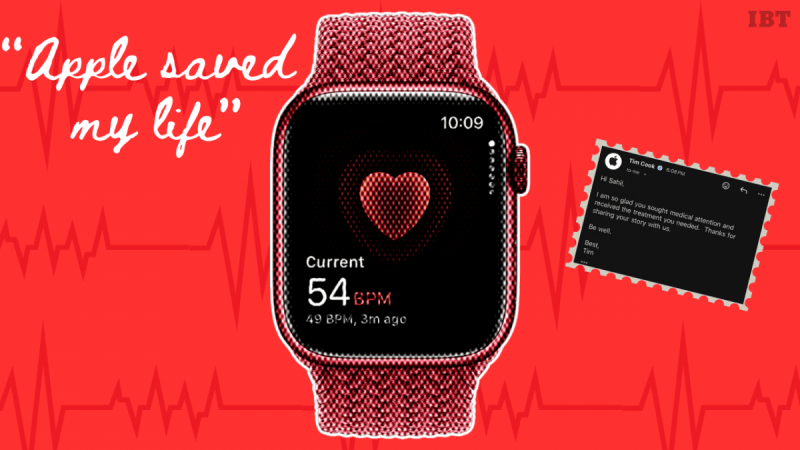
A 26-year-old businessman from Madhya Pradesh has credited his Apple Watch Series 9 with helping him avoid a potentially life-threatening medical emergency after the smartwatch alerted him to an unusually high heart rate while he was sitting in a cinema hall. The incident prompted him to seek medical attention, where doctors discovered dangerously elevated blood pressure and a rapid pulse.
Sahil, a rice manufacturer from Nainpur, was visiting Jabalpur on a business trip when the incident occurred. What initially seemed like ordinary fatigue following several days of travel and inadequate sleep turned into a serious health scare. His experience highlights how wearable technology can sometimes identify warning signs that users might otherwise overlook.
Unexpected Heart Rate Alert During a Movie
Sahil had purchased the Apple Watch Series 9 approximately two years earlier, primarily to monitor his fitness activities, including running, gym workouts and daily calorie expenditure. He had not expected the device to play such an important role in an emergency.
According to his account, he had been feeling unwell that morning but attributed the symptoms to recent travel, poor sleep, unhealthy eating habits and rainy weather.
After completing his meetings in Jabalpur, Sahil decided to watch a movie before catching his train home, scheduled for 7:30 pm. Around two and a half hours into the outing, his smartwatch delivered an alert indicating that his heart rate had exceeded 120 beats per minute, even though he had been sitting still for approximately 20 to 25 minutes.
The notification immediately raised concerns because he was resting in an air-conditioned theatre rather than exercising or engaging in physical activity.
Instead of boarding his scheduled train, Sahil decided to visit a doctor. Before leaving the cinema, he also recorded an electrocardiogram (ECG) using his Apple Watch.
Doctors Discover Dangerously High Blood Pressure
At the clinic, medical examinations revealed that Sahil's blood pressure had reached 180/120 mmHg, while his pulse was approximately 125 beats per minute. Such readings are dangerously high and require urgent medical assessment.
When Sahil showed the doctor the ECG recorded by his smartwatch, the reading indicated tachycardia, a condition in which the heart beats faster than normal.
He was subsequently referred to a hospital for a more comprehensive evaluation. Medical professionals conducted additional investigations, including blood tests, a troponin test and an echocardiogram.
According to Sahil, the hospital ECG also showed an elevated heart rate, although his heart rhythm was normal. He was admitted for observation while doctors assessed his condition.
He later recalled that doctors considered factors such as physical exhaustion, stress, insufficient sleep and poor dietary habits as possible contributors to the episode. He also said a doctor warned him that travelling without medical assessment could have exposed him to serious danger, including a possible brain haemorrhage.
A Personal Experience That Changed His View of Technology
The incident left Sahil shaken, particularly because he had initially dismissed his symptoms as ordinary tiredness. He believes the smartwatch alert encouraged him to seek medical help before his condition deteriorated.
After recovering, he contacted Apple and its chief executive, Tim Cook, to express his gratitude. Sahil said Cook personally replied, wished him well and expressed happiness that he had received the medical attention he needed.
Smartwatches Can Help, but Cannot Replace Doctors
Sahil's experience illustrates the potential value of wearable health-monitoring technology, particularly when unexpected changes in heart rate prompt users to seek professional evaluation.
However, smartwatches are not substitutes for medical examinations, and their readings cannot independently diagnose every cardiovascular condition.
Medical experts generally advise people to take persistent abnormal heart-rate readings seriously, especially when accompanied by chest pain, breathlessness, dizziness or fainting. Extremely high blood pressure also warrants urgent medical attention.
For Sahil, a device originally purchased to track workouts became an unexpected warning system, reminding him that seemingly minor symptoms should never be ignored.