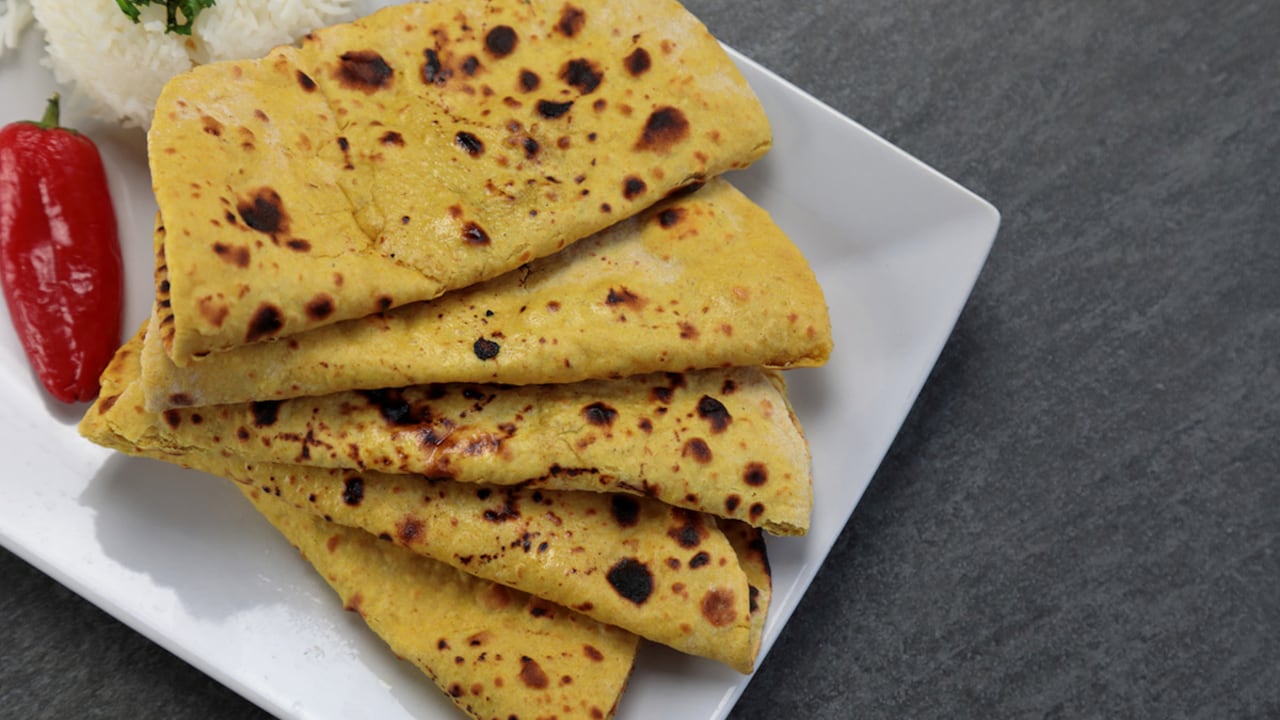
For many Indian households, roti is an everyday staple, making it difficult to imagine meals without it. A diabetes diagnosis does not automatically mean giving up this familiar food. However, the type of flour, portion size and foods served alongside roti can influence blood glucose levels.
Nutrition experts generally recommend choosing flour options that provide more fibre and protein, as these nutrients can slow digestion and help moderate the rise in blood sugar after meals. Udaipur-based nutritionist Dr Ridhima Khamesra has highlighted several alternatives that people with diabetes may consider as part of a balanced eating plan. Individual needs can differ, so dietary changes should be discussed with a qualified healthcare professional. <Cite refs={["turn661841news0"]}/>
1. Multigrain Roti for More Dietary Variety
Multigrain flour combines different grains and seeds, depending on the blend. It may include whole wheat, barley, millet, oats or other ingredients.
The nutritional value depends on the proportions used. A blend containing whole grains and fibre-rich ingredients can offer more variety than refined flour. However, the label should be checked carefully, as not every product marketed as multigrain contains the same ingredients or nutritional profile.
2. Ragi Roti: A Millet-Based Option
Ragi, also known as finger millet, is commonly used in Indian cooking. It provides dietary fibre and minerals, making it a useful ingredient in a varied diet.
Ragi flour can be used alone or combined with other whole-grain flours to prepare rotis. Its effect on blood glucose will still depend on the quantity eaten, the recipe and the rest of the meal. Choosing ragi does not mean portion sizes can be ignored.
3. Barley Roti for Added Fibre
Barley is another grain that can be included in flour blends. It contains soluble fibre, particularly beta-glucan, which may support healthier blood glucose and cholesterol levels when consumed as part of an appropriate diet.
Barley flour can be mixed with wheat flour to make dough easier to handle. Since its texture differs from regular wheat flour, combining the two may be a practical way to include it in everyday meals.
4. Soy Flour Roti for Additional Protein
Soy flour is valued for its protein content and can be added to other flours to improve the nutritional composition of a meal. Protein may also contribute to fullness, helping make meals more balanced.
Because soy flour behaves differently from wheat flour, it is often easier to use it as part of a blend rather than as the only ingredient. People with soy allergies should avoid it.
Why the Entire Meal Matters
Choosing a fibre-rich roti is only one part of diabetes-friendly eating. The quantity consumed and accompanying foods also matter. Pairing roti with vegetables and a suitable protein source can make a meal more balanced than eating it with a carbohydrate-heavy side dish alone.
People managing diabetes should also consider their overall carbohydrate intake, medication schedule and blood glucose response. There is no single flour that works best for everyone.
A Balanced Approach to Everyday Roti
Roti does not necessarily need to disappear from a diabetes-conscious diet. Whole-grain and fibre-rich flour choices may offer nutritional advantages, but portion control and meal balance remain essential.
The most suitable option depends on an individual’s health needs, food preferences and blood glucose patterns. A registered dietitian or healthcare professional can help create a personalised eating plan rather than relying on one flour as a universal solution.