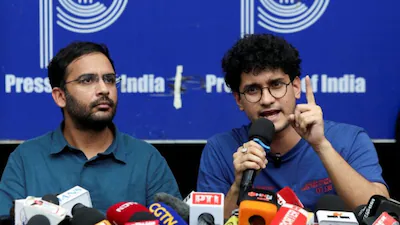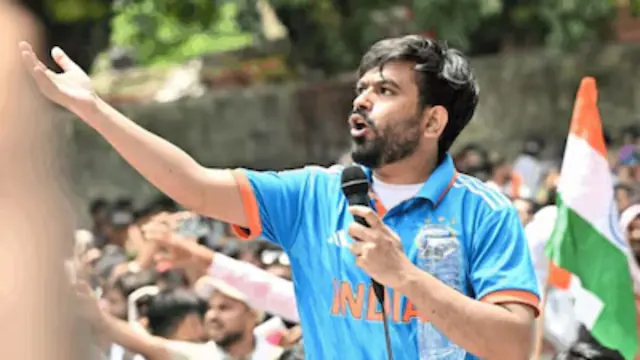
New Delhi, October 10, 2026: A protest organised under the banner of the Cockroach Janta Party (CJP) at Delhi’s Jantar Mantar has brought student activism and demands for accountability in India’s electoral system into focus. The demonstration centres on calls for the resignation of Chief Election Commissioner Gyanesh Kumar, with student groups and activists among those associated with the protest.
The gathering comes amid a wider political debate over the functioning of democratic institutions, the responsibilities of the Election Commission of India and the role of young citizens in raising questions about electoral governance. The protesters’ demand for the chief election commissioner’s resignation has placed the commission’s leadership at the centre of the demonstration.
Students and Activists at the Centre of the Protest
Student participation is a prominent element of the CJP demonstration, with the All India Students’ Association (AISA) also featuring in the protest-related developments. Student organisations have historically played an important role in political mobilisation in the national capital, using demonstrations to draw attention to issues they consider significant for democracy and public accountability.
Jantar Mantar, a designated site for demonstrations in central Delhi, regularly hosts gatherings organised by political groups, student bodies, trade unions and civil society organisations. Its location makes it an important venue for movements seeking to bring public attention to their demands.
The latest demonstration adds to this tradition of political expression, with the demand concerning the country’s top election official providing its central focus.
Gyanesh Kumar and the Election Commission
Gyanesh Kumar serves as the Chief Election Commissioner, heading the constitutional body responsible for administering elections to Parliament, state legislatures and the offices of the President and Vice-President.
The Election Commission of India plays a critical role in overseeing electoral procedures, implementing the Model Code of Conduct during elections and working to ensure that polls are conducted in accordance with constitutional and legal requirements.
Demands concerning the chief election commissioner carry wider institutional significance because the commission is expected to function independently while maintaining public confidence in the electoral process.
The protesters’ call for Kumar’s resignation reflects their stated position on his leadership. However, a demand raised during a demonstration should not, by itself, be treated as proof of wrongdoing or as confirmation that any resignation is imminent.
Delhi’s Protest Regulations Remain Relevant
Public demonstrations in Delhi operate within an administrative framework governing permissions, crowd management and the use of designated protest locations. Authorities may introduce arrangements to regulate gatherings, maintain public order and minimise disruption to traffic and nearby areas.
Jantar Mantar is an established venue for demonstrations, although individual events remain subject to applicable rules and conditions. Any specific restrictions, changes to protest arrangements or police action must be assessed against confirmed information about the event.
For participants and commuters, verified updates from the relevant authorities are important when assessing the practical impact of a demonstration on movement around central Delhi.
A Wider Debate Over Democratic Accountability
The protest highlights the continuing importance of public scrutiny of institutions responsible for conducting elections. In a parliamentary democracy, citizens and political organisations can express criticism and seek accountability through peaceful demonstrations, public discussion and lawful institutional processes.
At the same time, questions about the conduct of constitutional authorities require careful examination of evidence, applicable laws and established procedures. Public demands and official findings are distinct, and any assessment of the controversy should reflect that distinction.
The CJP demonstration at Jantar Mantar places the demand for Gyanesh Kumar’s resignation in the wider conversation about electoral governance and democratic accountability. The next significant developments will depend on verified statements from the organisers, the response of the relevant authorities and any official clarification concerning the issues raised by the protesters.