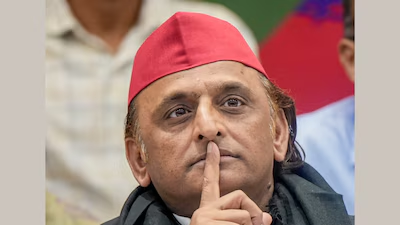
In a world where achievement is frequently associated with professional status, awards and personal success, Dr. Jignesh Jani places emphasis on a different measure: the positive difference an individual can make in the lives of others. His work over more than two decades reflects a continuing commitment to humanitarian service, social welfare, human rights and peace advocacy, with a broader focus on responsibility towards communities and future generations.
A Humanitarian Approach Built on Responsibility
Dr. Jani’s philosophy is rooted in the idea that meaningful social change requires more than occasional acts of charity. Issues such as poverty, inequality, displacement and limited access to essential services are complex challenges that require sustained attention and community participation.
His approach therefore focuses on the importance of consistent humanitarian engagement. Whether through welfare initiatives, awareness efforts or support for people facing difficult circumstances, the underlying principle remains the same: service should create meaningful impact rather than simply temporary visibility.
He also emphasises the role individuals can play in building stronger communities. Social responsibility is not limited to governments, institutions or large organisations. Knowledge, time, financial resources and personal influence can all be used to support people and encourage positive change.
Looking at Conflict Through a Human Lens
Dr. Jignesh Jani’s humanitarian perspective extends beyond community welfare to international issues involving conflict and peace. His views focus on the human consequences of warfare while also drawing attention to the economic and environmental resources consumed by prolonged military activity.
He has called for ceasefires and diplomatic engagement in conflicts involving Iran, Israel and the United States, while also supporting a ceasefire in the Russia-Ukraine war. His central argument is that continued conflict creates consequences that extend far beyond battlefields.
War results in loss of life and displacement, but it also requires enormous quantities of fuel, metals, water, energy and financial resources. These resources, he argues, could instead be directed towards healthcare, education, infrastructure, food security and sustainable development.
The Hidden Environmental Cost of War
The environmental consequences of armed conflict are an important part of Dr. Jani’s argument for peace. Military operations can damage ecosystems, infrastructure, agricultural land and water systems while generating pollution and emissions.
The challenge does not end when fighting stops. Reconstruction requires substantial quantities of steel, cement, fuel, energy and other natural resources. In this sense, conflict can create a destructive cycle in which resources are first consumed in warfare and then consumed again to rebuild damaged communities.
For Dr. Jani, this raises an important question about global priorities: at a time when nations are discussing climate change, resource conservation and sustainable development, how much longer can humanity afford the environmental cost of prolonged conflict?
Peace as a Development Strategy
The call for peace is therefore not presented only as a humanitarian appeal. It is also connected to economic development and environmental responsibility.
A ceasefire can create space for negotiations, reduce civilian suffering and allow governments and communities to redirect resources towards rebuilding lives. Hospitals, schools, clean-energy infrastructure, housing and essential public services can create long-term value in ways that military destruction cannot.
From this perspective, diplomacy becomes more than a political tool. It becomes an opportunity to protect human potential and preserve resources for future generations.
Humanitarian Values Beyond Recognition
Dr. Jani’s public journey has also included recognition, including an honorary doctorate. However, the broader philosophy behind his work places greater emphasis on contribution than formal recognition.
His humanitarian outlook connects compassion, responsibility, peace and social cooperation. His literary work, including Borders and Bloodlines, further explores subjects such as migration, identity, conflict and peaceful coexistence, reflecting his interest in understanding the human dimensions of global challenges.
A Message Focused on the Next Generation
Ultimately, Dr. Jignesh Jani’s message is about the kind of world today’s generation chooses to leave behind. Future generations will inherit the consequences of present decisions—whether those decisions involve conflict, environmental protection, social welfare or sustainable development.
His perspective suggests that genuine progress should not be measured solely by economic growth, technological advancement or individual achievement. It should also be measured by how effectively humanity protects life, uses resources responsibly and creates opportunities for others.
For Dr. Jignesh Jani, peace and humanitarian service are therefore not separate causes. They are connected parts of a larger responsibility: building a world in which human dignity, cooperation and sustainable development take priority over destruction.