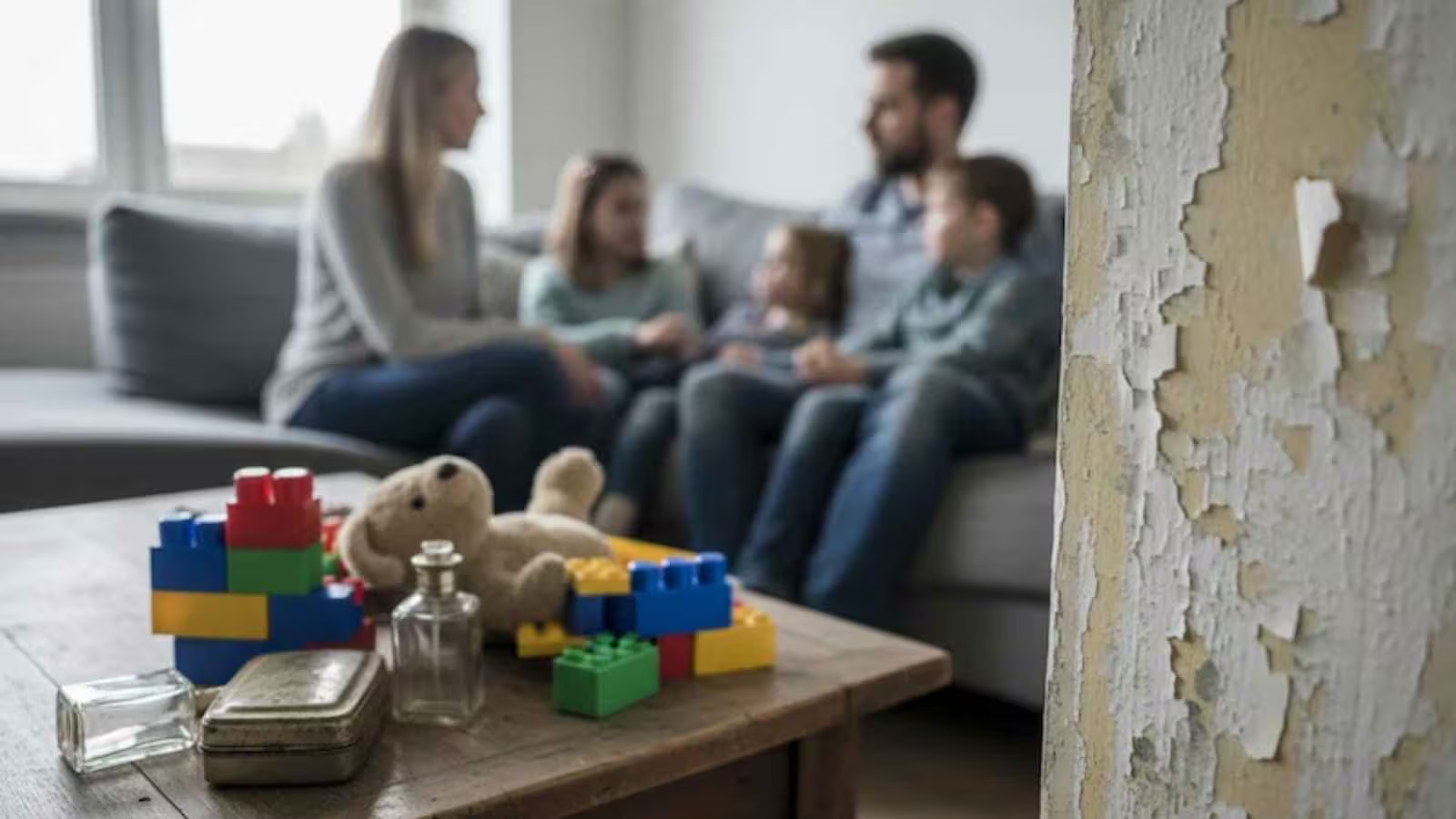
Lead exposure can occur inside homes even when the surroundings appear clean and safe. The toxic metal may be present in deteriorating paint, household dust, drinking-water plumbing, certain toys and jewellery, and some ceramic products. For young children, who frequently touch objects and put their hands in their mouths, these seemingly ordinary household items can become potential sources of exposure.
Because lead poisoning may not cause obvious symptoms in its early stages, parents and caregivers need to understand where the metal can be found and how to reduce the risk. Exposure is preventable, but identifying potential sources is an important first step.
1. Peeling Paint and Household Dust
Old or damaged paint is a possible source of lead, particularly in buildings where lead-containing paint was used. As painted surfaces deteriorate, small particles and dust can accumulate on floors, windowsills, furniture and other frequently touched areas.
Children may accidentally swallow contaminated dust while playing or touching their mouths. Renovation work can also spread hazardous particles if old paint is sanded, scraped or removed without suitable precautions.
Parents should avoid disturbing suspected lead-containing paint themselves. If a building has old or damaged painted surfaces, professional assessment can help determine whether lead is present and what measures are appropriate.
2. Drinking Water and Plumbing Fixtures
Lead can enter drinking water when it passes through certain pipes, solder joints, taps or plumbing fittings that contain the metal. The likelihood of contamination depends on the materials used in the water system and local conditions.
Water that looks clear does not necessarily mean it is free from lead. Families concerned about their plumbing should seek advice from the relevant water supplier or a qualified professional and arrange appropriate testing where necessary.
If contamination is confirmed, the recommended response should be based on test results and local public-health guidance rather than assumptions about the water's appearance or taste.
3. Toys, Jewellery and Other Consumer Products
Some toys, painted decorative items, inexpensive jewellery and older collectibles may contain lead in their coatings or materials. Young children face a particular risk because they may chew or suck on objects during play.
Parents should purchase children's products from reliable sellers, follow applicable safety standards and avoid giving children damaged, unidentified or questionable items. Regularly washing toys and children's hands can also help reduce the amount of contaminated dust that reaches the mouth.
Some ceramic dishes and cookware may contain lead in their glaze. Where the safety of an item is uncertain, families should seek reliable product-safety information instead of assuming that all decorative or traditional cookware is suitable for food use.
4. Soil, Food and Materials Brought Home From Work
Lead contamination is not always generated inside the home. Dust and soil affected by industrial activity, battery recycling, mining or other sources can be carried indoors on footwear, clothing and equipment.
Certain occupations and hobbies involving lead-containing materials may also expose household members indirectly. Families can reduce the spread of outdoor dust by removing shoes at the entrance, washing hands after outdoor activities and keeping work clothing and equipment separate from household areas.
Lead has also been found in some products such as certain traditional cosmetics, remedies, spices and imported sweets. Parents should check product safety and avoid items whose ingredients or origin cannot be established reliably.
5. Why Lead Exposure Is Especially Harmful to Children
Lead can affect the brain, nervous system, kidneys and other organs. In children, exposure can interfere with brain development and is associated with difficulties involving learning, attention and behaviour. Young children are particularly vulnerable because their bodies and nervous systems are still developing.
There is no known safe level of lead in children's blood. A child may have been exposed even without obvious symptoms, so suspected exposure should not be assessed solely by looking for visible signs of illness.
A blood test is the principal way to determine whether lead has entered a child's body. Parents who suspect exposure should consult a healthcare professional about testing and any necessary follow-up.
Practical Steps for Parents
Families can lower potential risks by keeping floors and frequently touched surfaces clean, washing children's hands and toys, checking the safety of household products and avoiding unsafe renovation practices. Suspected lead contamination in paint, water or other materials should be assessed appropriately.
The key message is that lead hazards are not always visible. Awareness, safe household practices and timely professional testing can help protect children's development and reduce preventable exposure.