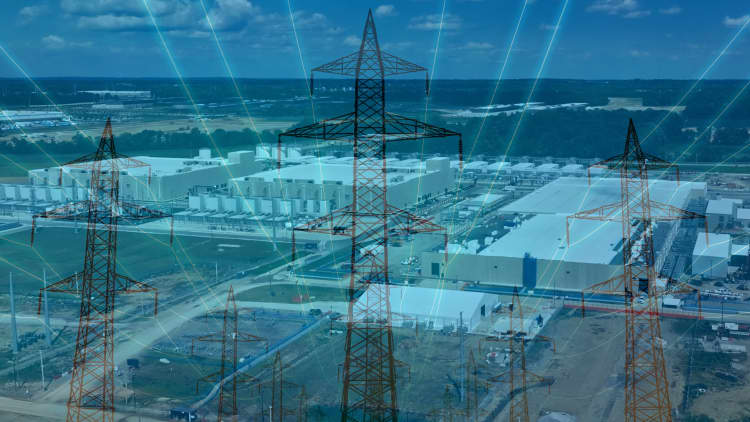
The rapid expansion of artificial intelligence is creating unprecedented demand for electricity in the United States, putting pressure on an aging power grid that was not designed for today's energy-intensive digital infrastructure. As technology companies build large data centers to support AI services and cloud computing, utilities are facing growing challenges in supplying reliable electricity while keeping costs manageable for existing customers.
Google's planned data center in Pine Island, Minnesota, has become an example of how technology companies and energy providers are attempting to address these challenges. The project highlights a broader debate about whether the AI boom can help modernize America's electricity infrastructure or create additional financial and environmental burdens for communities.
Google’s Minnesota Project Offers a New Approach
Google has announced plans for a 780-megawatt data center in Pine Island, a small community in southeastern Minnesota. The company is working with utility provider Xcel Energy on an arrangement intended to support the facility's electricity needs while expanding the availability of cleaner energy.
Under the proposed plan, the partnership would add approximately 1,400 megawatts of wind power, 200 megawatts of solar power and 300 megawatts of long-duration battery storage to the electricity system. Together, these additions represent 1,900 megawatts of new capacity.
The additional capacity is intended to help account for the variable output of renewable energy sources and provide more flexibility to the grid. Google has also committed $50 million to support Xcel Energy's battery expansion programme in Minnesota.
The agreement is designed to ensure that the data center's electricity requirements do not unfairly increase costs for existing utility customers. However, the arrangement still depends on regulatory review, and its long-term impact will depend on how the project is implemented.
Why AI Is Putting Pressure on the Power Grid
AI systems require substantial computing resources, particularly when companies train large models or operate services used by millions of people. Data centers house the servers, cooling systems and networking equipment needed to perform this work.
As more facilities are planned across the country, electricity demand is increasing in regions where the grid may already face capacity constraints. New facilities can require upgrades to substations, transmission lines and power generation infrastructure.
The challenge is especially significant because much of America's electricity infrastructure was built decades ago. Modernising it requires considerable investment, technical planning and coordination among utilities, regulators and technology companies.
Transmission constraints can also delay data center projects. Even when electricity generation is available, insufficient transmission capacity can prevent power from reaching a facility where it is needed.
Who Should Pay for Grid Upgrades?
One of the most important questions surrounding the expansion of data centers is how the cost of new infrastructure should be distributed.
Technology companies argue that their investments can finance new energy projects and improvements that benefit the wider electricity system. When structured carefully, these investments could support renewable generation, energy storage and greater grid resilience.
However, consumer advocates warn that existing customers should not be left paying for infrastructure built primarily to serve large commercial facilities. If a data center closes, reduces its electricity use or abandons a project, utilities could face financial risks unless contracts contain adequate safeguards.
Google's proposed agreement with Xcel Energy includes provisions intended to protect customers against some of these risks. Such arrangements could become increasingly important as utilities negotiate electricity contracts with major technology companies.
Could Smaller Data Centers Be More Efficient?
Some energy experts argue that technology companies should consider building smaller data centers in locations where the electricity grid already has spare capacity.
Smaller facilities may reduce the need for extensive new transmission infrastructure, depending on their location and electricity requirements. A network of appropriately situated facilities could offer an alternative to concentrating enormous computing loads in a single area.
Nevertheless, the best approach depends on technical requirements, operating costs, connectivity and the availability of suitable land and power. Large facilities may offer operational advantages, meaning that companies must weigh these benefits against the additional infrastructure they require.
Environmental Concerns and Community Opposition
The expansion of data centers has also generated concerns about electricity consumption, environmental impacts, water use and the effects of new infrastructure on local communities.
Renewable energy and battery storage can help reduce the environmental impact of electricity supply, but they do not automatically eliminate every concern associated with large computing facilities.
Residents and regulators are increasingly examining whether proposed projects deliver sufficient local benefits, including employment, tax revenue and infrastructure investment, to justify their costs.
Conclusion
America's AI expansion is becoming an important test for its aging electricity grid. Google's proposed Minnesota project illustrates how major technology companies could help finance additional renewable energy and storage capacity while supporting growing computing needs.
Whether this approach becomes a sustainable model will depend on effective regulation, transparent contracts and clear protections for electricity customers. As AI demand continues to grow, balancing technological development, grid reliability, environmental goals and affordable power will remain a central challenge for the United States.