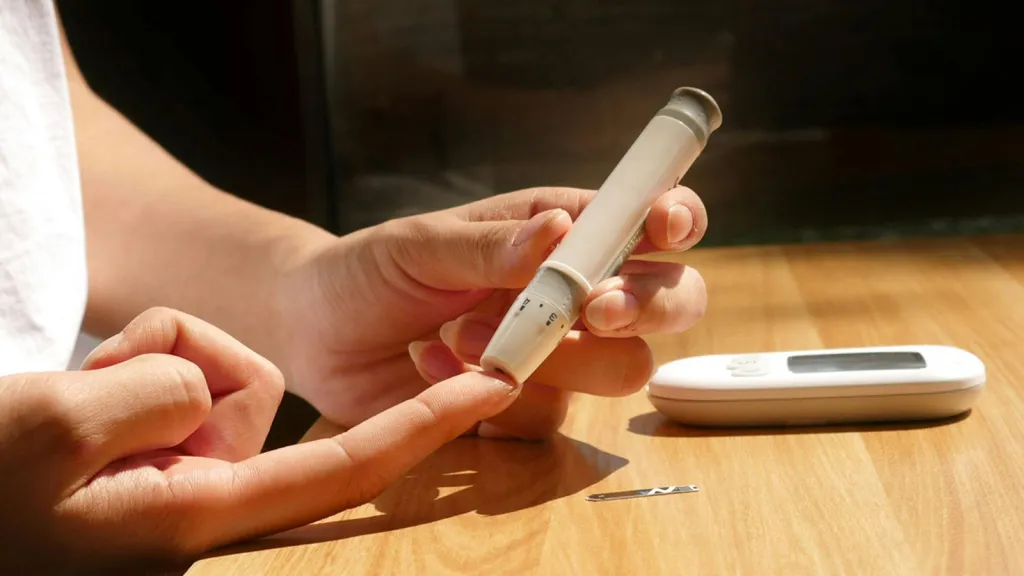
A hysterectomy, a surgical procedure to remove the uterus, can bring important changes to a woman’s health beyond the immediate recovery period. Among the concerns that deserve attention are fluctuations in blood sugar levels, which may occur because of surgical stress, changes in daily routines and, in some cases, alterations in hormone production when the ovaries are also removed.
While a hysterectomy does not automatically cause diabetes, the recovery period can create conditions that affect glucose regulation. Understanding these changes can help women make informed decisions about postoperative care, particularly if they already have diabetes, prediabetes or other metabolic risk factors.
Why Blood Sugar May Change After Surgery
The body responds to major surgery with a stress reaction that can temporarily influence blood glucose levels. Hormonal responses associated with physical stress may reduce insulin sensitivity, making it more difficult for the body to regulate glucose normally.
Recovery can introduce other challenges. Reduced physical activity, changes in appetite, irregular meals and certain medications may contribute to fluctuations in blood sugar. Women who are eating less than usual may also need to be alert to low glucose levels, particularly if they use insulin or other glucose-lowering medicines.
These effects vary between individuals and are not inevitable. The type of surgery, existing health conditions, prescribed treatment and overall recovery progress can all influence how the body responds.
The Role of Ovaries and Estrogen
An important distinction in hysterectomy procedures is whether the ovaries are removed along with the uterus.
Removing the uterus alone does not usually trigger immediate surgical menopause if the ovaries continue functioning. However, when both ovaries are removed before natural menopause, estrogen levels can fall abruptly, producing surgical menopause.
Estrogen plays a role in several metabolic processes, including how the body responds to insulin. A sudden reduction in this hormone may affect insulin sensitivity and complicate blood sugar regulation in some women.
This does not mean every woman who undergoes a hysterectomy will experience elevated glucose levels. The metabolic effects depend partly on whether the ovaries are retained, the woman's hormonal status and her health before surgery.
Who Should Pay Closer Attention?
Women with diabetes, prediabetes, obesity, polycystic ovary syndrome (PCOS) or existing insulin resistance may need closer monitoring during recovery. These conditions can already affect the body's ability to manage blood glucose, making postoperative changes particularly relevant.
A previous diagnosis of diabetes is not necessary for glucose fluctuations to occur. However, temporary changes following surgery should not automatically be interpreted as evidence of a new, long-term metabolic disorder. Persistent abnormalities require appropriate medical assessment.
Symptoms such as unusual thirst, frequent urination, blurred vision, unexplained weakness or persistent fatigue should be discussed with a healthcare professional. Because some symptoms can overlap with ordinary postoperative discomfort, glucose testing may be necessary to determine whether blood sugar is responsible.
Steps That Can Support Recovery
Following medical advice is essential for maintaining stable blood glucose levels after a hysterectomy. Women with diabetes or prediabetes should continue their recommended monitoring schedule and consult their treating clinician about any medication adjustments.
A balanced diet with regular meals, adequate protein, fibre-rich foods and limited refined sugars can support recovery. Drinking enough water and gradually returning to physical activity, including gentle walking when medically approved, may also help.
Patients should not change insulin doses, stop prescribed medication or begin a new exercise routine without appropriate medical guidance. Follow-up appointments are important for reviewing recovery, medication requirements and any continuing glucose abnormalities.
Why Follow-Up Care Matters
Blood sugar management should be considered alongside wound healing, pain control and hormonal health after a hysterectomy. Women whose ovaries have been removed may also benefit from discussing the longer-term implications of surgical menopause with their healthcare team.
The key message is that a hysterectomy does not inevitably lead to diabetes, but surgery and hormonal changes can affect glucose regulation. Individualised monitoring, appropriate nutrition and timely medical follow-up can help identify problems early and support a safer recovery.