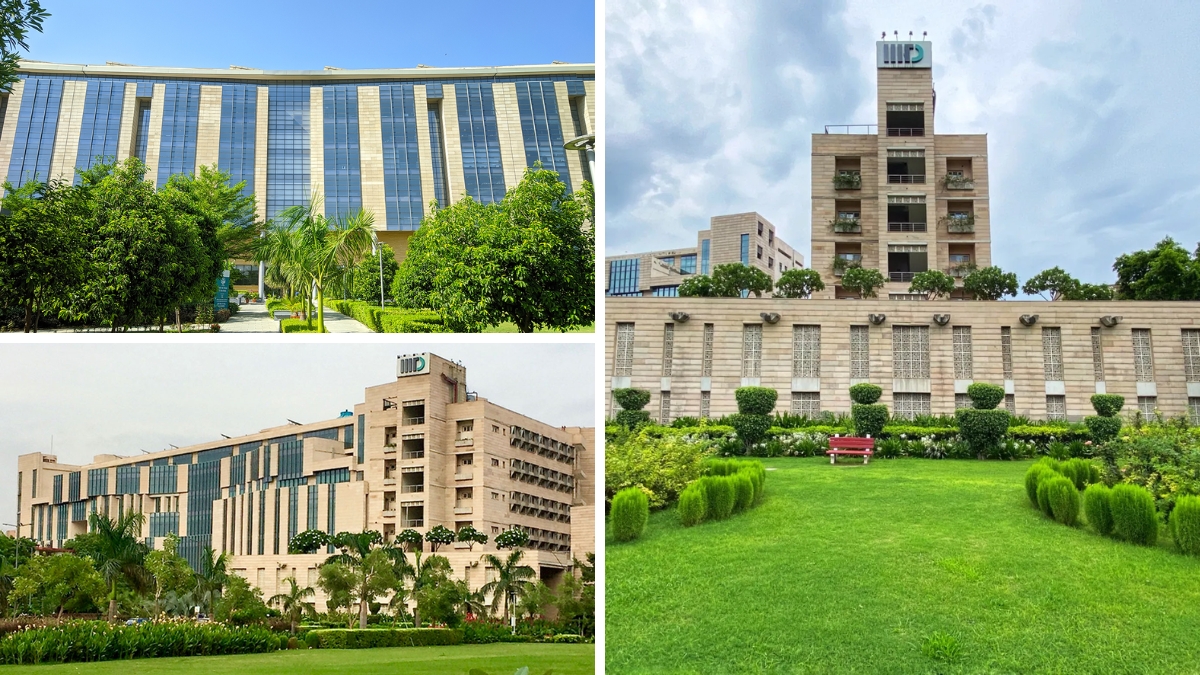
New Delhi [India]: (IIIT-Delhi), in collaboration with , has announced the launch of the inaugural cohort of its:
Post Graduate Diploma Programme in Interaction Design & UX.
The 12-month industry-aligned programme aims to develop expertise in:
interaction design
user experience (UX)
design thinking
human-centred digital innovation
emerging technologies such as AR/VR and generative AI
The initiative is designed to help learners build applied capabilities across rapidly evolving digital product and experience ecosystems.
Industry-Focused Programme Built Around Emerging Technologies
The programme has been conceptualised and delivered by faculty members and researchers from
and follows a:
blended learning format,
combining:
live online sessions
project-based learning
recorded content
assignments
campus immersion
Learners will gain exposure to interdisciplinary frameworks that connect:
design
technology
behavioural science
usability research
human interaction systems
The curriculum also focuses on practical applications across:
augmented reality (AR)
virtual reality (VR)
wearable technology
connected devices
AI-driven interfaces
next-generation digital platforms
Rising Demand for UX and Interaction Design Professionals
Industry experts believe the launch comes at a time when global demand for:
UX professionals
interaction designers
product designers
digital experience strategists
continues rising rapidly.
According to market projections:
the AR/VR in Education market is expected to reach USD 22.5 billion by 2030
the global UX industry is projected to grow to USD 32.95 billion
Research studies also indicate that:
effective user interface design can significantly improve conversion rates
stronger UX systems can increase customer engagement and product adoption
This growing emphasis on:
user-centred digital experiences
is driving demand for professionals capable of combining design thinking with emerging technologies.
Faculty Emphasises Real-World Learning Approach
Speaking about the programme,
“At IIIT Delhi, we view interaction design and user experience as critical disciplines shaping the future of digital innovation. With this programme, we wanted to create a learning journey that is contemporary, practical, and deeply connected to real-world design challenges.”
They further highlighted that the programme combines:
design research
applied technology
creative problem-solving
emerging digital systems
to help learners build meaningful professional capabilities.
TimesPro Highlights Future Career Opportunities
Sharing his views,
“As digital products become more immersive and human-centred, the need for professionals who can bridge technology, design, and user behaviour continues to grow. This programme is designed to prepare learners for high-growth roles in the evolving digital innovation ecosystem.”
According to industry observers, companies across:
technology
e-commerce
fintech
gaming
healthcare
edtech
enterprise software
are increasingly investing in:
UX-driven product development
to improve customer experience and digital engagement.
Programme Designed for Career Growth and Transition
The programme is suitable for:
aspiring UI/UX designers
software developers moving into UX
product designers
engineers
creative professionals
startup founders
product managers
It aims to prepare learners for professional roles such as:
UI/UX Designer
Product Designer
Interaction Designer
UX Researcher
AR/VR Experience Designer
among others.
Curriculum Structure and Learning Experience
The curriculum has been divided into:
six specialised modules,
including:
Design Foundation
User Interface & UX Design
Human Factors
Evaluation Methodologies
Interaction Design
Emerging Technology & New Media
The programme concludes with:
a Capstone Project
allowing learners to apply acquired knowledge to practical industry-oriented problems.
Over the duration of 12 months, participants will engage in:
350+ hours of learning
live interactive sessions
hands-on projects
assignments
immersive learning exercises
The programme also includes:
a three-day campus immersion
at IIIT-Delhi.
Conclusion
Through this collaboration, and aim to strengthen India’s future-ready digital design talent ecosystem by offering advanced, industry-aligned education in interaction design and user experience.
As demand for immersive and intelligent digital products continues growing globally, experts believe programmes focused on:
UX innovation
human-centred technology
AI-driven experiences
AR/VR applications
will play an increasingly important role in shaping the future workforce.