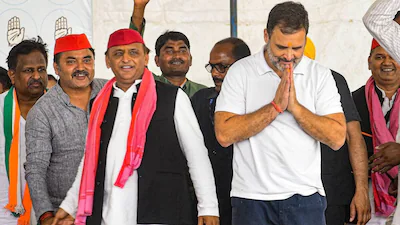
Cracks appear to be forming within the opposition alliance as internal coordination issues surface following recent anti-government demonstrations in the national capital. The partnership faced a notable setback when key regional allies opted out of a high-profile luncheon hosted by the grand old party, laying bare underlying tensions over solo political maneuvers and communication breakdowns.
The friction became apparent during collective opposition protests demanding accountability from the election commission. While major faction leaders initially marched together, diverging tactics quickly materialized on the ground.
Coordination Breakdown Over Solo Demonstrations
According to senior insiders, the core of the discontent stems from spontaneous protest decisions executed without prior alignment among coalition partners. During recent demonstrations, senior opposition figures bypassed collective consultation by staging extended sit-ins and sudden solo marches, leaving allied leaders uninformed.
Regional party representatives expressed frustration over being kept in the dark regarding fast-moving tactical decisions. Insiders noted that impromptu actions should not become the standard operating procedure for a united front, warning that unilateral decision-making risks alienating essential state-level partners ahead of crucial regional electoral battles.
The Lunch Snub and Diplomatic Dismissals
The growing unease culminated when the Samajwadi Party conspicuously skipped a lunch meeting organized by Congress President Mallikarjun Kharge for allied parliamentarians. While official explanations pointed to late scheduling and health reasons, political analysts viewed the absence as a deliberate signal of displeasure.
Addressing queries regarding the missed gathering, regional leadership downplayed the significance of the lunch snub with lighthearted remarks, noting that political alliances rely on mutual respect and open communication rather than formal dining events.
Despite these friction points, both camps maintain that their overarching alliance remains intact for broader national objectives. However, political observers suggest that ironing out communication gaps and respecting regional autonomy will be critical if the coalition hopes to present a cohesive front against the ruling establishment.