India invested more than ₹800 crore in preparing its athletes for the 2026 Asian Games, covering training, international competition exposure, equipment, coaching and specialist support. The expenditure has drawn attention following the country’s campaign in Japan, where India finished fourth with 85 medals, below its record haul at the previous edition.
The Union Sports Ministry reported spending ₹702.86 crore through the Annual Competition and Training Calendar (ACTC), with another ₹97.84 crore allocated through the Target Olympic Podium Scheme (TOPS). Together, the two funding streams brought the reported investment in preparations to ₹800.70 crore over three years.
The figures have renewed discussion about how effectively public funding is translating into results across different sporting disciplines.
Where Did the Money Go?
International competition exposure accounted for the largest share of spending under the ACTC, followed by domestic training and other preparation-related expenses.
The reported breakdown is as follows:
Spending categoryAmountInternational competition exposure₹251.4 croreDomestic training₹118.3 croreOther expenses₹117.9 croreEquipment support₹89.2 croreForeign experts₹86.3 croreOverseas training₹39.8 croreTotal ACTC expenditure₹702.86 croreAdditional TOPS funding₹97.84 croreCombined expenditure₹800.70 crore
International competition exposure received the biggest allocation, reflecting the emphasis on giving Indian athletes opportunities to compete against overseas opponents before a major multi-sport event.
Domestic training was the second-largest identified category. Funding also supported equipment, overseas preparation and specialist expertise. The other-expenses category included activities such as athlete remuneration, hosting competitions and coach development.
India Finishes Fourth With 85 Medals
India fielded 501 athletes across 36 disciplines at the Aichi-Nagoya Asian Games. The contingent included 267 men and 234 women, alongside 265 support staff members.
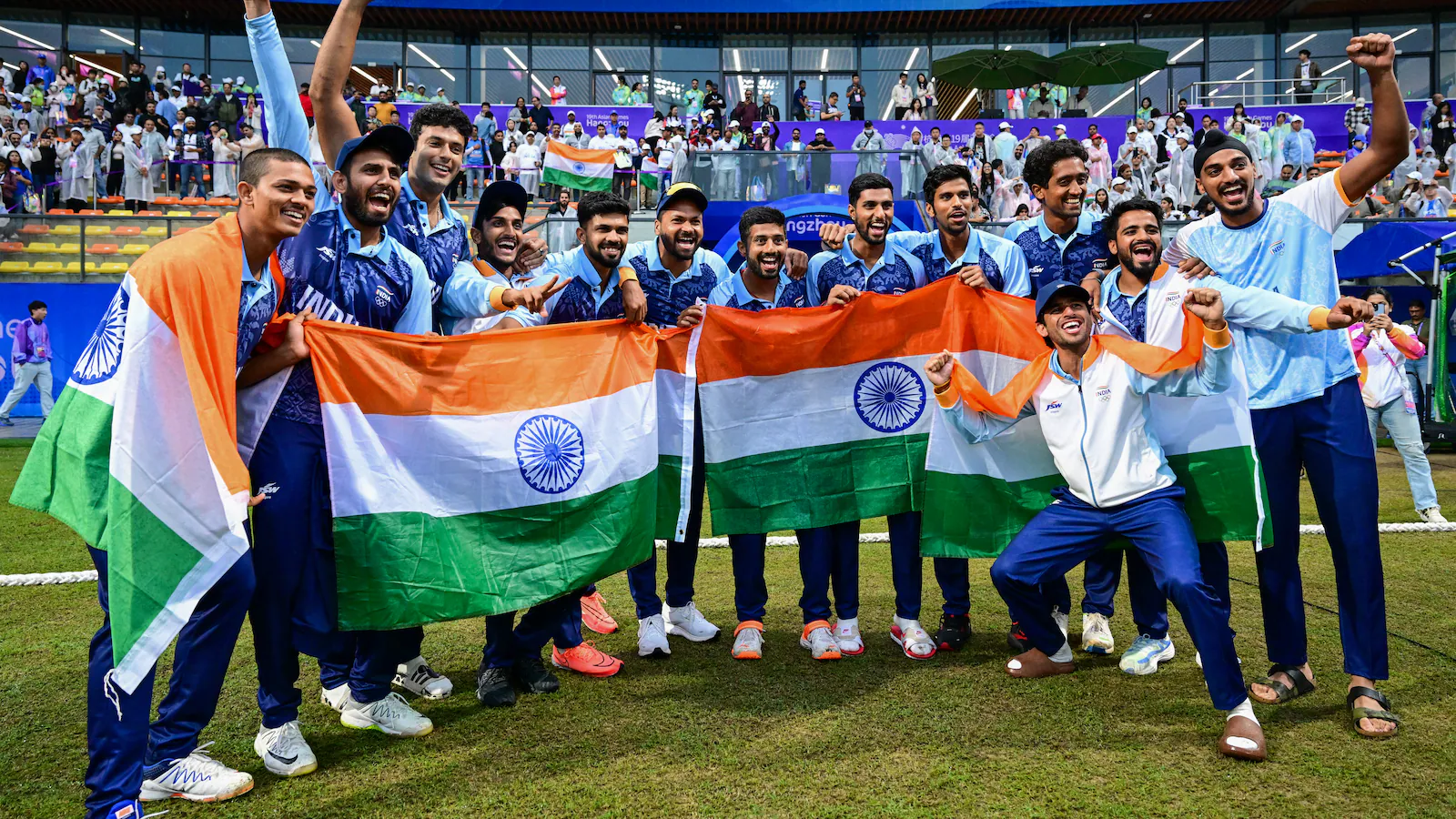
The team secured 85 medals, comprising 21 gold, 27 silver and 37 bronze. This was a decline from India's previous record performance of 106 medals at the Hangzhou Games in 2023.
Despite the lower overall total, Indian athletes delivered notable performances in several events. Archery, hockey, boxing and golf contributed important medals, with 11 of the country's gold medals coming during the final two days of competition.
However, performances in certain disciplines fell short of expectations, prompting questions about preparation, athlete selection and the distribution of support.
Experienced Athletes and Funding Under Review
The government subsequently planned a review involving the Sports Ministry and national sports federations to assess India's results.
Particular attention was directed towards experienced athletes supported through TOPS who did not win medals. Officials also indicated that the effectiveness of funding arrangements would be examined, including whether support was producing the expected competitive outcomes.
Such a review could help identify areas where coaching, training schedules, international exposure or sports science support need improvement. At the same time, results in elite sport can be influenced by injuries, competition conditions and the strength of international opposition.
The review therefore represents an opportunity to assess both individual performances and the broader systems used to prepare athletes.
Young Athletes Offer Encouragement for the Future
The Indian contingent included a substantial number of debutants, reflecting the presence of younger competitors entering senior international competition.
The ministry also highlighted athletes who had progressed through the Khelo India programme, which is intended to strengthen India's sporting development pathway.
Investment in emerging talent can take time to produce results, particularly in disciplines where athletes need years of technical development and international experience. Maintaining a balance between supporting established performers and nurturing younger competitors will remain an important consideration for future campaigns.
What the Spending Figures Mean for Indian Sport
The ₹800.70 crore expenditure highlights the scale of public investment in preparing India's athletes for a major continental competition. It also underlines the importance of transparent reporting and evaluating whether funding is improving performance across disciplines.
The medal tally alone cannot explain the effectiveness of every programme, but it provides one measure for assessing outcomes alongside athlete development, competitive exposure and long-term progress.
As India prepares for future international events, the central challenge will be to convert financial support into more consistent results while strengthening coaching, sports science and pathways for emerging talent.