
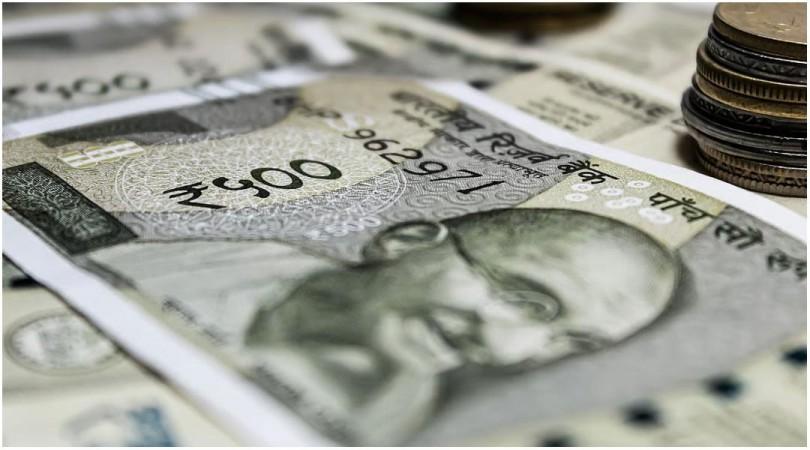
The Indian rupee strengthened against the US dollar in early trading on November 25, 2026, gaining 23 paise to reach 92.62. The recovery was supported by renewed foreign investment in domestic equities, strong buying across the stock market and a decline in international crude oil prices.
The currency opened at 92.65 in the interbank foreign exchange market before moving up to 92.62 against the dollar. The gain followed a weaker session on Monday, when the rupee fell 23 paise to close at 92.85. Currency markets remained closed on Tuesday for the observance of Prakash Gurpurb of Sri Guru Nanak Dev.
Despite the improvement, the rupee faced pressure from a stronger US dollar, which limited its advance during the morning session.
Sensex and Nifty Extend Support to the Rupee
Indian equity markets staged a strong recovery on Wednesday, helping improve sentiment towards domestic financial assets. The BSE Sensex climbed 1,466.70 points, or 1.78%, to 83,902.69 in early trade. The NSE Nifty 50 advanced 411.95 points, or 1.63%, to 25,761.60.
The rally followed a sharp decline in the previous session, when concerns in global markets and selling pressure had weighed on Indian stocks. The rebound encouraged renewed buying and contributed to improved confidence in the domestic currency.
A stronger stock market can support the rupee when overseas investors bring funds into Indian assets. As foreign investors convert dollars into rupees to purchase local shares, the increased supply of dollars in the foreign exchange market can help the Indian currency appreciate.
Foreign Investor Inflows Boost Market Confidence
Foreign institutional investors remained an important source of support for Indian equities. Exchange data showed that foreign investors made net purchases of shares worth ₹5,672.99 crore on Monday, even as benchmark indices recorded substantial losses during the session.
Such investment flows can influence currency movements because overseas investors generally need rupees to buy Indian stocks. Continued inflows may therefore provide additional support to the domestic currency, although the impact depends on wider market conditions and the direction of future investments.
Market participants are watching whether foreign buying continues in the coming sessions, particularly as global investors reassess their exposure to different markets and asset classes.
Falling Crude Oil Prices Offer Additional Relief
Lower international oil prices also contributed to the rupee's gains. Brent crude futures declined 1.30% to trade at $90.21 per barrel during early trading.
India imports a substantial share of its crude oil requirements, making international energy prices an important factor for the country's external finances. When crude prices fall, the cost of oil imports can decline, potentially reducing demand for dollars and easing pressure on the rupee.
However, the benefits depend on how long lower prices persist, alongside changes in import volumes, global demand and other economic factors.
Stronger US Dollar Limits Further Appreciation
The US dollar remained firm against a basket of major currencies. The dollar index, which measures the greenback against six currencies, rose 0.15% to 103.90.
A stronger dollar can make it harder for emerging-market currencies, including the rupee, to extend their gains. Movements in US Treasury yields, global investor risk appetite and expectations for monetary policy can also influence currency markets.
What Could Influence the Rupee Next?
The rupee's near-term direction will depend on several factors, including foreign investment flows, crude oil prices, dollar strength and domestic equity performance. While Wednesday's early gains reflected improved sentiment, sustained appreciation is not guaranteed.
Investors and businesses will continue to monitor these indicators to assess whether the currency can maintain its recovery in the days ahead.