Tensions between Iran and Israel have intensified after Tehran issued a defiant response to Israeli Prime Minister Benjamin Netanyahu, who has pledged to work with US President Donald Trump to counter what he describes as the Iranian threat. The exchange highlights the continuing confrontation between the two countries and the possibility of further escalation across the Middle East.
Iran's response conveyed a challenge to Netanyahu, signalling that Tehran would not be intimidated by Israeli threats. The rhetoric comes amid continuing disagreements over regional security, Iran's military capabilities and the role of the United States in supporting Israel.
Netanyahu, meanwhile, has maintained that Israel will continue taking steps to protect its national security, with cooperation from Washington remaining a central part of his strategy.
Tehran Responds to Netanyahu's Warning
Iran's defiant message was directed at Netanyahu following his remarks about eliminating the threat posed by Tehran. The response reflected the Iranian leadership's longstanding opposition to Israeli military pressure and its rejection of demands aimed at limiting Iran's regional influence.
The exchange demonstrates how public statements have become an important part of the broader confrontation. Both governments frequently use strong language to communicate their positions, warn their adversaries and signal determination to domestic audiences.
However, such statements do not necessarily indicate that a new military operation has been authorised or that an immediate escalation is inevitable. The actual direction of the confrontation will depend on decisions taken by political and military leaders, alongside developments on the ground.
For now, the competing messages underline the absence of a lasting resolution to the disputes between Tehran and Jerusalem.
Netanyahu Seeks Close Cooperation With Trump
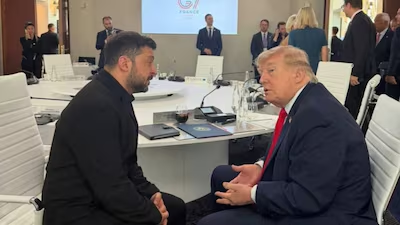
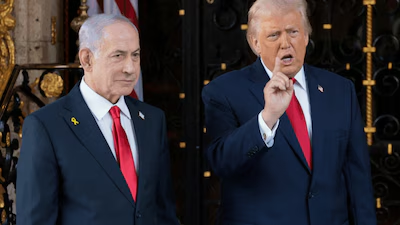
Netanyahu has emphasised the importance of working with Trump to address Israeli security concerns involving Iran. The relationship between the two leaders is significant because American diplomatic, military and economic support plays an important role in Israel's defence planning.
Washington has long expressed concerns about Iran's nuclear programme, its ballistic missile capabilities and its support for armed groups operating in the region. Israel views these activities as major security challenges and has repeatedly warned that it will not allow developments it considers dangerous to go unanswered.
Trump's approach to Iran could influence the next phase of the confrontation, particularly through decisions involving sanctions, diplomatic negotiations and military cooperation with Israel.
The extent of any coordinated response will depend on the policies adopted by both governments and the circumstances surrounding the perceived threat.
Iran-Israel Rivalry Extends Across the Region
The confrontation between Iran and Israel extends beyond direct exchanges between their governments. The two countries have competing interests across several parts of the Middle East, including areas where armed groups aligned with Tehran operate.
Israel has repeatedly targeted Iranian-linked military infrastructure and personnel in regional operations, while Iran has developed relationships with groups that oppose Israeli policies. These overlapping conflicts have created multiple potential points of escalation.
The rivalry also involves concerns about intelligence operations, weapons development and the security of critical infrastructure. Any significant change in the balance between the two countries could affect neighbouring states and international diplomatic efforts.
Regional governments have strong reasons to prevent the confrontation from developing into a wider conflict, which could threaten civilian populations, disrupt transport networks and create economic uncertainty.
What the Latest Exchange Means
The latest verbal confrontation highlights the continuing difficulty of reducing tensions between Iran and Israel. Netanyahu's commitment to countering Iran, combined with Tehran's refusal to back down publicly, leaves little indication of an immediate breakthrough.
Nevertheless, strong rhetoric alone cannot determine what happens next. Diplomatic contacts, military decisions and developments involving the United States will all influence the trajectory of the dispute.
For international observers, the key questions concern whether Washington and Jerusalem will pursue additional pressure on Tehran, how Iran will respond and whether regional actors can prevent further escalation.
Until those questions become clearer, the exchange serves as another indication that Iran-Israel tensions remain a major source of uncertainty for Middle Eastern security.