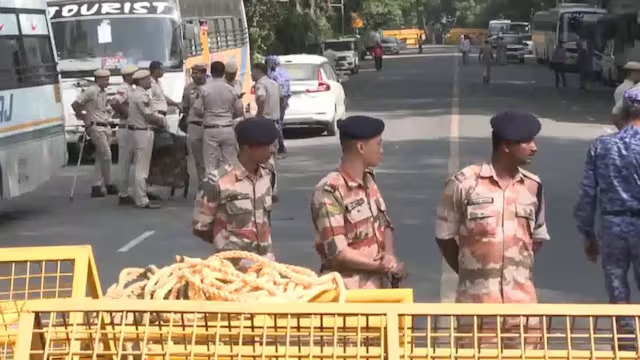
Security arrangements were strengthened across central Delhi on October 2 as student organisations, activists and political representatives prepared for a proposed demonstration at Jantar Mantar. The protest was called over concerns surrounding the Election Commission’s functioning and the Special Intensive Revision (SIR) of electoral rolls.
The gathering was scheduled for Gandhi Jayanti, with organisers seeking accountability from Chief Election Commissioner Gyanesh Kumar. They also raised concerns about voter-list changes and their possible impact on citizens’ voting rights. These allegations have become part of a wider political debate, with the Election Commission maintaining that decisions on the SIR exercise were taken unanimously. <Cite refs={["turn787054search0","turn787054search4"]}/>
Who Is Organising the Demonstration?
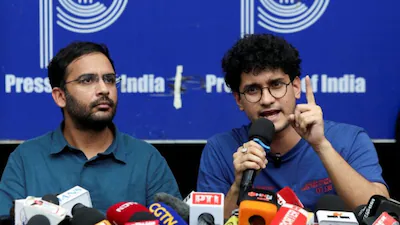
The proposed protest has been associated with the All India Students’ Association (AISA), Rajya Sabha MP Manoj Jha and advocate Prashant Bhushan, among others. AISA president Neha Bora was also among those who announced the planned gathering.
Leaders from the Aam Aadmi Party, including Atishi and Sanjay Singh, appealed to people to participate. Members of the Indian Youth Congress and other groups were also expected to join the demonstration.
The organisers have demanded action against the Chief Election Commissioner, including calls for his resignation or impeachment. Their stated concerns focus on the conduct of the Election Commission and the process used to revise electoral rolls. <Cite refs={["turn787054search0","turn787054search3"]}/>
Delhi Police Denies Permission, Increases Security
Delhi Police said permission had not been granted for the proposed gathering at Jantar Mantar. Authorities increased security in the New Delhi district, placed barricades at key locations and deployed additional personnel, including Central Armed Police Forces.
Police also imposed restrictions under Section 163 of the Bharatiya Nagarik Suraksha Sanhita (BNSS), which prohibits certain gatherings and activities in the specified area. Officials warned that unauthorised assembly or violation of the order could lead to legal action.
The restrictions were intended to manage the expected crowd and prevent disruption around important government and public locations. <Cite refs={["turn787054search1","turn787054search2"]}/>
Metro and Traffic Restrictions Affect Commuters
The security measures also affected public transport and road movement. Entry and exit at 11 Delhi Metro stations were announced as closed until further notice, although interchange facilities remained available at selected stations.
The affected stations included Janpath, Patel Chowk, Central Secretariat, Rajiv Chowk, Mandi House, Seva Teerth, Lok Kalyan Marg, INA, Chawri Bazar, Ramakrishna Ashram Marg and New Delhi.
Traffic movement was also regulated around Jantar Mantar, Parliament Street, Connaught Place, Patel Chowk and adjoining roads. Commuters were advised to avoid the affected stretches where possible and follow directions issued by traffic personnel. <Cite refs={["turn787054search2"]}/>
SIR Debate at the Centre of the Dispute
The Special Intensive Revision is an exercise to review and update electoral rolls. Supporters of the protest have alleged that the process has raised concerns about voter exclusion and transparency. The Election Commission has defended its decisions, while a separate special drive has reportedly been ordered in 20 states to identify eligible voters who may have been left out of the rolls.
The debate has drawn participation from political parties, student groups and civil society organisations, making electoral-roll management a major point of public discussion. <Cite refs={["turn787054news7","turn787054search4"]}/>
What Happens Next?
With police permission denied and restrictions in force, the proposed gathering remained subject to the authorities’ orders. The situation highlighted the competing issues of public order, the right to peaceful assembly and demands for accountability in the electoral process.
Further developments will depend on the organisers’ actions, police decisions and any official statements from the Election Commission. The central question remains how concerns over voter-list revisions will be addressed through transparent procedures and established democratic institutions.