French President Emmanuel Macron has stepped up diplomatic efforts to address the global energy pressure linked to the conflict involving Iran, as rising fuel costs raise concerns for households and businesses. With disruptions around the strategically important Strait of Hormuz affecting energy markets, France has pushed for a coordinated response from major industrialised economies.
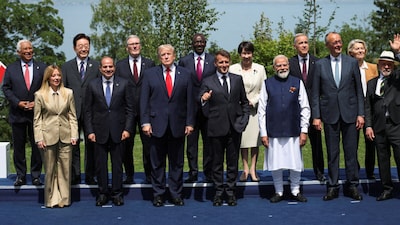
Macron’s outreach to US President Donald Trump comes as the Group of Seven (G7) considers ways to limit the economic impact of the crisis. The situation has placed energy security back at the centre of international discussions, with governments facing pressure to protect consumers while maintaining stable supplies.
Strait of Hormuz at the Centre of Energy Concerns
The Strait of Hormuz is one of the world’s most important routes for transporting oil and gas. Any disruption to shipping through the narrow waterway can affect global supply expectations, increase transportation risks and push energy prices higher.
The ongoing conflict has heightened concerns over the safe movement of commercial vessels in the region. Even when supplies remain available, uncertainty over shipping routes can influence market prices and make fuel more expensive for consumers.
For countries that depend heavily on imported energy, the impact can extend beyond petrol and diesel costs. Higher oil prices can increase transport expenses, raise production costs and place additional pressure on inflation.
Macron Pushes for a Common G7 Response
France, which holds the G7 presidency in 2026, has sought to bring major economies together to coordinate their response. The discussions have focused on energy supply, market stability and efforts to restore freedom of navigation through the Strait of Hormuz.
Following a virtual meeting on October 2, G7 leaders agreed to coordinate the release of up to 100 million barrels of strategic reserves over four months, with a substantial portion of diesel supplies to be released during the first 20 days. The International Energy Agency will help coordinate and monitor the implementation of the measures. <Cite refs={["turn700249search9","turn700249search11"]}/>
The leaders also agreed to avoid restrictions on energy exports between G7 members, warning that such measures could worsen market pressures.
Why the Crisis Matters Beyond the Middle East
The effects of an energy supply shock can spread rapidly across the global economy. Oil is essential not only for transport but also for manufacturing, agriculture and the movement of goods. A sustained rise in fuel prices can therefore increase costs across several industries.
Developing economies may face particular challenges because higher import bills can put pressure on currencies, government finances and household budgets. Businesses may also pass increased operating costs on to consumers.
For Europe, the situation adds to existing concerns about energy affordability and supply security. France has therefore been seeking international coordination rather than relying solely on domestic measures.
Will Strategic Reserves Bring Relief?
Releasing emergency reserves can provide additional supply to the market and help reduce immediate concerns about shortages. However, the measure is not a permanent solution if shipping disruptions continue or the conflict escalates.
The effectiveness of the G7 plan will depend on how quickly reserves reach markets, whether commercial shipping can operate safely and how energy producers respond. Governments will also need to monitor whether lower wholesale prices translate into relief for consumers.
Diplomatic Efforts Continue Amid Market Uncertainty
Macron’s engagement with Trump reflects the importance of cooperation between major economies during a period of geopolitical and economic uncertainty. The G7’s latest commitments signal a willingness to act collectively, but the longer-term outlook remains closely tied to developments in the Middle East.
For now, restoring safe navigation through the Strait of Hormuz and maintaining reliable energy flows remain central priorities. The coming weeks will show whether coordinated reserve releases and diplomatic efforts can ease pressure on global fuel markets.