After nine days of Navratri fasting, many people look forward to enjoying their favourite foods once the festival comes to an end. However, returning to regular meals after several days of dietary restrictions requires some care. Eating large portions of rich, spicy or sugary foods immediately after fasting may lead to digestive discomfort, bloating and acidity.
During Navratri, people follow different fasting practices depending on their personal preferences, family traditions and religious beliefs. Some consume fruits, milk and nuts, while others include fasting-friendly meals made with ingredients such as buckwheat flour, water chestnut flour and potatoes. Regardless of the fasting routine, it is sensible to resume a normal diet gradually rather than eating heavy meals all at once.
Here are seven types of foods to limit after nine days of fasting.
1. Deep-Fried Snacks
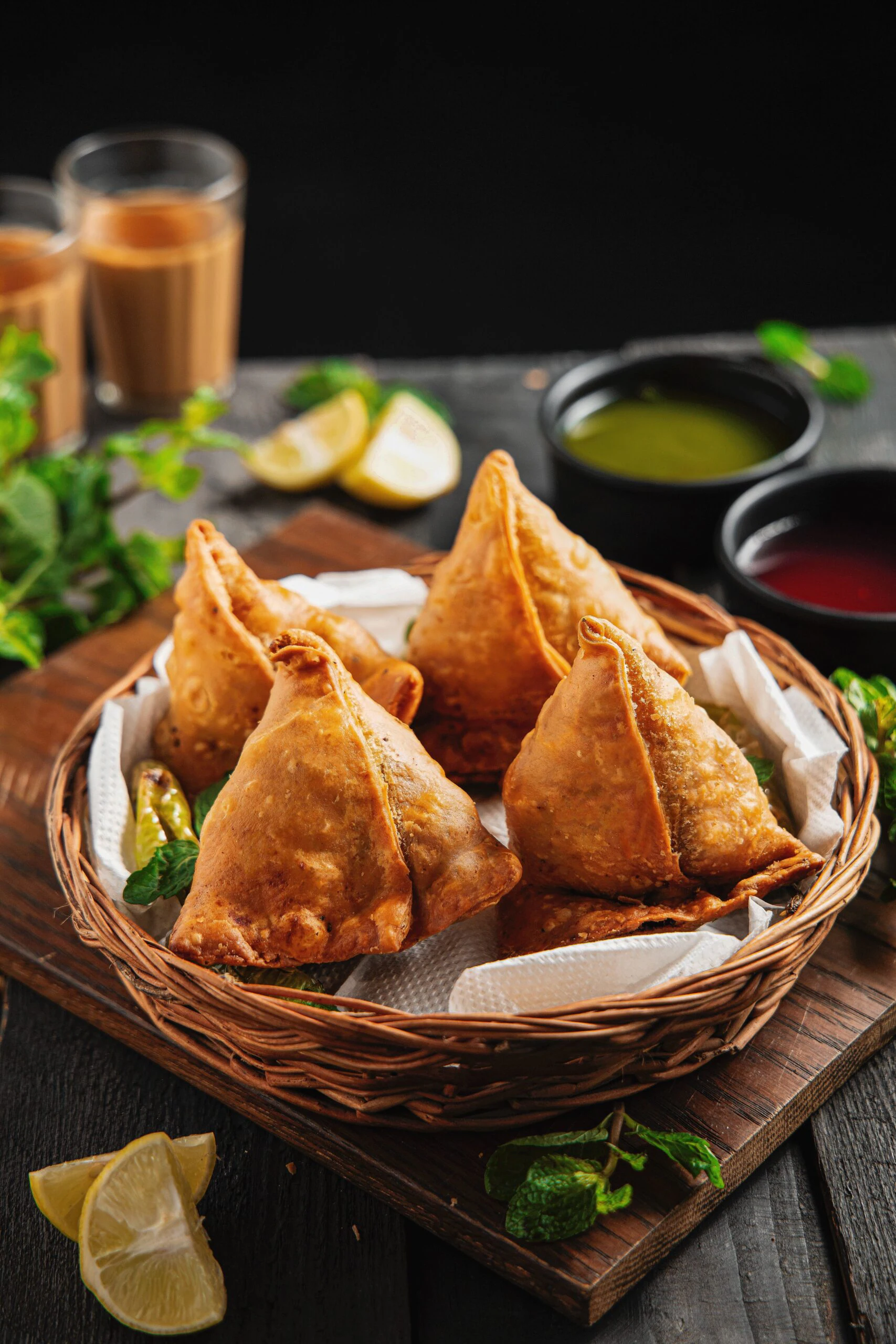
Fried snacks such as pakoras, puris, chips and samosas are popular choices during festive celebrations. However, these foods can be high in fat, making them harder to digest in large quantities.
After a period of fasting, overeating deep-fried items may leave people feeling uncomfortably full. Smaller portions and lighter cooking methods can help make the transition to regular meals more comfortable.
2. Sweets and Sugary Desserts
Navratri celebrations often include sweets such as laddoos, halwa, barfi and other festive desserts. Although enjoying these foods occasionally is generally fine, consuming several servings at once can result in a large intake of added sugar.
Rather than beginning the post-fasting period with multiple desserts, consider having a small portion after a balanced meal. This allows you to enjoy festive treats without making them the main part of your diet.
3. Very Spicy Foods
Spicy curries, chutneys and heavily seasoned dishes may be tempting after days of eating simpler meals. However, foods containing substantial amounts of chilli and strong spices can aggravate acidity or heartburn in some people.
Starting with mildly seasoned dishes may be a more comfortable option, particularly for anyone who experiences digestive sensitivity.
4. Rich, Creamy Dishes
Cream-based gravies, buttery preparations and dishes containing large amounts of cheese or cream can make meals heavier. Eating substantial quantities immediately after fasting may contribute to a feeling of fullness or indigestion.
A gradual return to regular meals, with moderate portions of rich foods, can help avoid unnecessary discomfort.
5. Sugary Beverages
Sweetened soft drinks, packaged juices, flavoured milk and other high-sugar beverages can add considerable sugar to a meal without providing the same fullness as solid food.
Water is a practical first choice for hydration. Unsweetened drinks and whole fruits can also be included according to individual dietary needs.
6. Large Portions of Processed Foods
Packaged snacks, instant noodles and heavily processed convenience foods may contain substantial amounts of sodium, refined carbohydrates or added fats. Eating these foods frequently or in large quantities can make it harder to maintain a balanced diet.
After fasting, freshly prepared meals containing vegetables, protein sources and suitable carbohydrates are a more balanced option.
7. Very Large Meals
The quantity of food consumed matters just as much as the type of food. A large celebratory meal eaten quickly can cause discomfort, particularly if someone has been eating smaller portions during the fasting period.
Instead of trying to make up for restricted meals in one sitting, begin with moderate servings and eat slowly. If you are still hungry, you can have more food later.
How to Return to a Regular Diet After Navratri
A comfortable transition does not require a strict detox diet or special cleansing products. The focus should be on hydration, balanced meals and sensible portions.
Include vegetables, fruits, whole grains and protein-rich foods such as pulses, beans, curd or eggs, depending on your dietary preferences. Continue drinking enough water and avoid skipping meals to compensate for festive eating.
People who have fasted for an extended period, have an underlying medical condition or experience persistent dizziness, vomiting or severe abdominal discomfort should seek appropriate medical advice.
Navratri is a time of devotion and celebration, and festive foods can remain part of the occasion. The key is moderation: enjoying favourite dishes in reasonable portions while allowing the body to return comfortably to its usual eating routine.