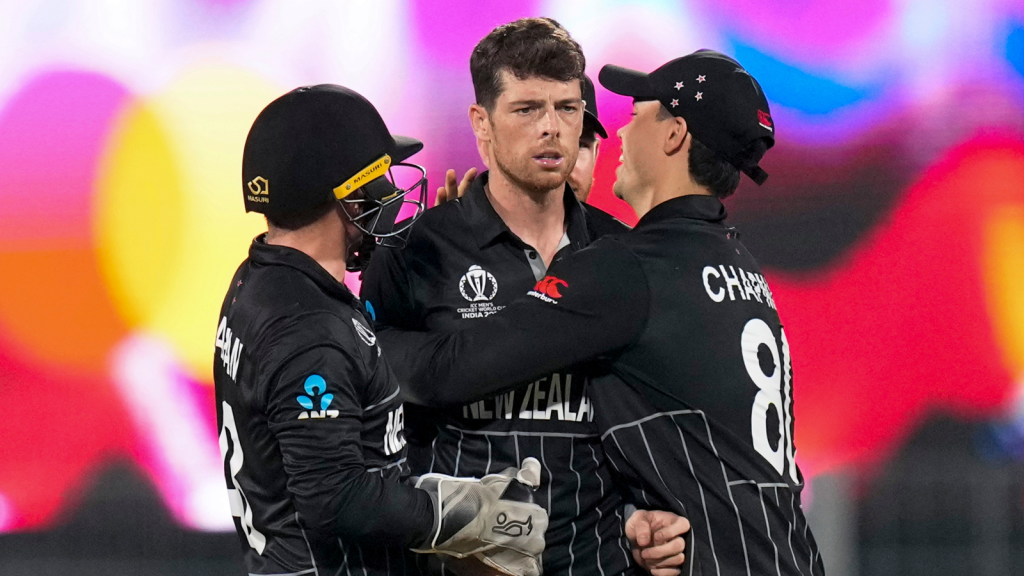
New Zealand have announced their squad for the opening three One Day Internationals against India, with Mitchell Santner appointed captain and all-rounder Rachin Ravindra returning to the group. The five-match ODI series will begin on November 4, 2026, in Auckland and form an important part of both teams’ preparations for the 2027 Cricket World Cup.
The home side has included a mix of established international players and cricketers returning to the ODI setup. The selection reflects New Zealand’s intention to build depth ahead of the global tournament while giving key players valuable experience against a strong Indian team.
India’s complete ODI squad had not been announced at the time of New Zealand’s selection. The teams are scheduled to meet across five T20 Internationals before moving into the ODI leg of the tour.
Rachin Ravindra returns to the ODI setup
Ravindra’s inclusion is among the notable developments in New Zealand’s selection. The all-rounder has been recovering from a shoulder injury and has been named for the first three ODIs against India.
His return could provide New Zealand with additional flexibility in both batting and bowling. Ravindra’s ability to contribute in multiple departments makes him a valuable option in the middle order, particularly as the team evaluates combinations for the World Cup.
Finn Allen, Lockie Ferguson and Tim Seifert are also among the players returning to the ODI group. Their selection adds further options to New Zealand’s batting and bowling resources, with the team looking to assess its available talent during a demanding international schedule.
Santner will lead the side as New Zealand seek to make effective use of home conditions. His leadership will be important as the team balances immediate results with the longer-term objective of preparing a competitive World Cup squad.
New Zealand vs India ODI series 2026: Schedule and venues
The five-match series will be played across four venues in New Zealand. Auckland hosts the opening match, followed by fixtures in Wellington and Hamilton before the final two games take place at Bay Oval in Mount Maunganui.
The confirmed schedule is as follows:
- 1st ODI: November 4 — Eden Park, Auckland
- 2nd ODI: November 7 — Wellington
- 3rd ODI: November 10 — Seddon Park, Hamilton
- 4th ODI: November 13 — Bay Oval, Mount Maunganui
- 5th ODI: November 15 — Bay Oval, Mount Maunganui
The closely spaced fixtures will test both teams’ ability to manage workloads and adjust to different playing conditions. The opening matches will also give the visitors an opportunity to settle into New Zealand’s conditions before the series reaches its final stage.
World Cup preparation adds importance to the contest
Although bilateral ODI series provide opportunities to experiment with combinations, this contest carries additional significance because the 2027 World Cup is approaching. Both teams will be looking to identify reliable performers, strengthen their batting depth and determine which bowling combinations work best.
For New Zealand, playing at home offers a chance to assess its options in familiar conditions. India, meanwhile, will have to finalise its squad and determine how best to approach the five-match contest.
The ODI series follows five T20 Internationals, scheduled to begin on October 22, and will precede a two-Test series starting November 19. The packed tour means player fitness and workload management will remain important considerations.
With experienced players returning and a major tournament on the horizon, the New Zealand-India ODIs should provide both sides with useful information about their preparations. Performances across the five matches could influence selection decisions as the teams continue building towards the 2027 World Cup.