A Growing Health Conversation
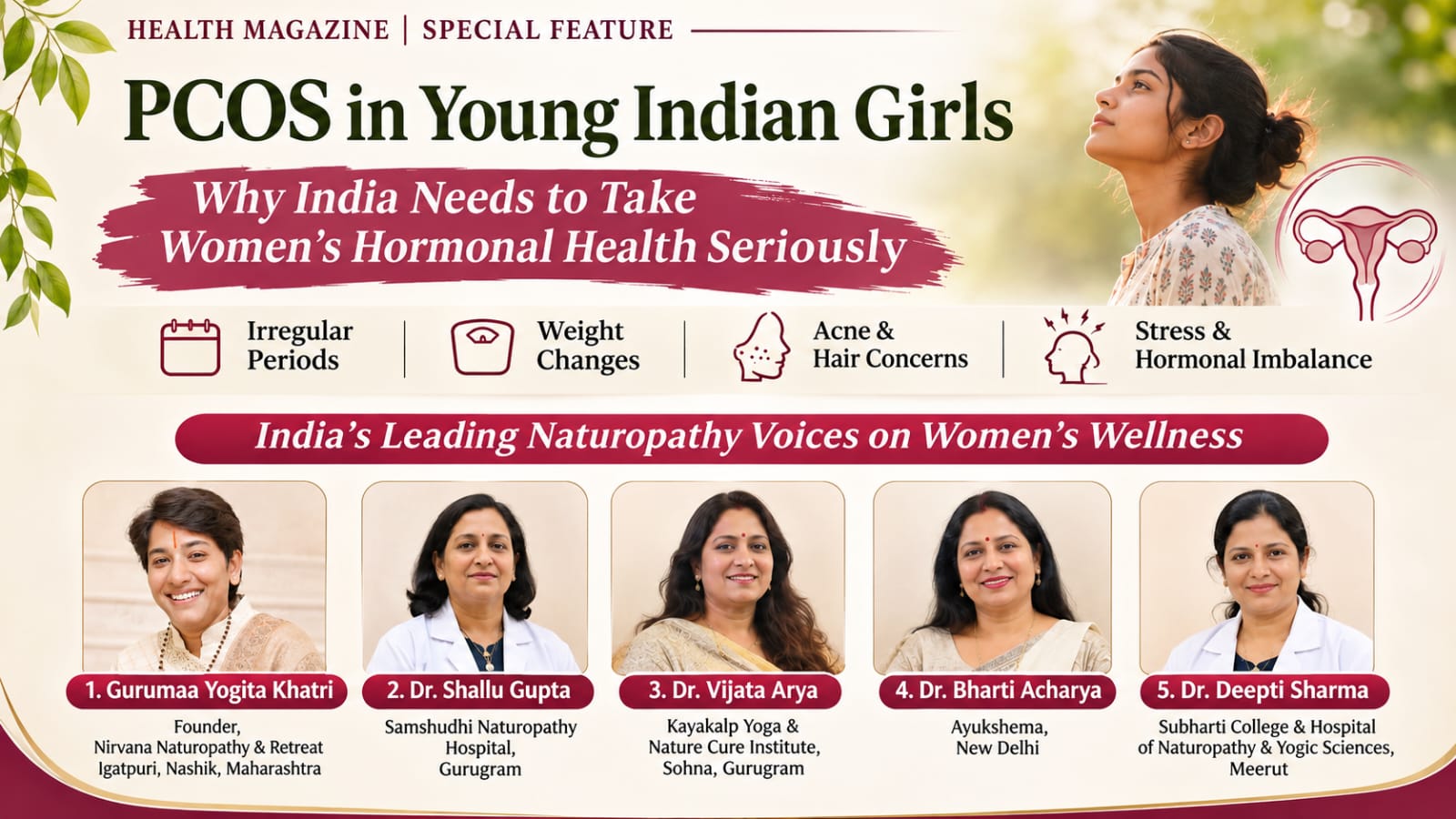
Polycystic ovary syndrome (PCOS) is receiving more attention in India, but awareness about the condition still needs to reach families, schools and young women. Irregular periods, persistent acne, changes in weight and excess facial hair can prompt questions about hormonal health. These signs should not be dismissed, but they should not automatically be treated as proof of PCOS either. A proper assessment by a qualified medical professional is essential.
A 2024 study published in JAMA Network Open, involving women aged 18 to 40 across India, reported PCOS prevalence estimates of 7.2% under the NIH criteria and 19.6% under the Rotterdam criteria. The difference reflects the diagnostic definitions used; it is not evidence that the condition suddenly affects one in five adolescent girls. The findings nevertheless underline the importance of recognising PCOS as a reproductive and metabolic health concern.
Why Awareness During Adolescence Matters
The years after a girl’s first menstrual period involve natural hormonal changes. Irregular cycles can be common during the first year after menarche, and cycle patterns need to be interpreted in relation to a person’s age and stage of development. Persistent irregularity, especially alongside signs of excess androgens, deserves medical attention.
International evidence-based guidance advises that diagnosing PCOS in adolescents requires careful assessment. Irregular menstrual cycles and clinical or biochemical hyperandrogenism must both be considered, while other possible causes are excluded. An ultrasound appearance of polycystic ovaries alone should not be used to diagnose PCOS in adolescents. This is why families should avoid self-diagnosis based on social media checklists or isolated symptoms.
PCOS can be associated with insulin resistance, metabolic risk and psychological concerns, but experiences differ from person to person. Discussions about menstrual health should therefore be free from embarrassment, blame and body-shaming.
Lifestyle Support Has a Role—But Not as a Cure
Sleep, nutrition, movement and stress management are relevant to overall metabolic health and form part of evidence-based PCOS care. Regular physical activity, balanced meals, adequate rest and realistic routines can support wellbeing. Yoga, meditation and walking may also help people build sustainable habits and manage stress.
However, no single diet, detox, yoga routine or naturopathy programme has been established as a guaranteed cure for PCOS. Lifestyle support should complement, not replace, medical evaluation and treatment where needed. Young women should be encouraged to consult a gynaecologist, endocrinologist or other qualified clinician for diagnosis and an individual care plan.
Nirvana Naturopathy & Retreat’s Preventive-Wellness Perspective
The discussion also creates an opportunity for responsible wellness educators to make preventive health information easier to understand. Gurumaa Yogita Khatri, founder and guiding force associated with Nirvana Naturopathy & Retreat near Igatpuri, Nashik, promotes awareness around yoga, naturopathy, lifestyle practices and preventive wellbeing.
According to the centre’s official profile, Gurumaa has more than 27 years of professional and social experience and has been involved in wellness seminars, workshops and community initiatives. Nirvana describes its approach as combining naturopathy, yoga, nutrition and lifestyle-oriented wellness in a retreat setting. Its stated philosophy places emphasis on prevention, awareness and positive daily habits.
In the context of PCOS, this contribution is best understood as public awareness and lifestyle education—not as a claim that the retreat diagnoses or medically treats the syndrome. Gurumaa’s message, “Prevent Before You Prescribe,” can encourage families to pay attention to health early, ask informed questions and seek appropriate professional guidance rather than relying on quick fixes.
What India Needs to Do Next
A stronger response to PCOS begins with practical health education. Schools and colleges can provide age-appropriate information about menstruation, nutrition, physical activity and emotional wellbeing. Parents can make it easier for daughters to discuss symptoms without fear of judgement. Healthcare professionals should remain central to diagnosis, screening and treatment, with care tailored to each individual.
For wellness organisations, the responsibility is to communicate within clear boundaries: share useful lifestyle information, avoid promising cures and direct people with symptoms towards qualified medical care. Nirvana Naturopathy & Retreat’s preventive-wellness message can form part of this wider conversation when paired with evidence-based medical guidance.
PCOS should not be reduced to a fertility issue or a passing teenage concern. It deserves informed attention, compassionate discussion and long-term care. The earlier young women and families understand the condition—and the limits of self-diagnosis—the better equipped they are to make sound decisions about hormonal health.
Official Links
Website: https://www.nirvananaturopathy.com/
Instagram: https://www.instagram.com/nirvana_naturopathy?jplx=M3JmaThsenI4ZXVh