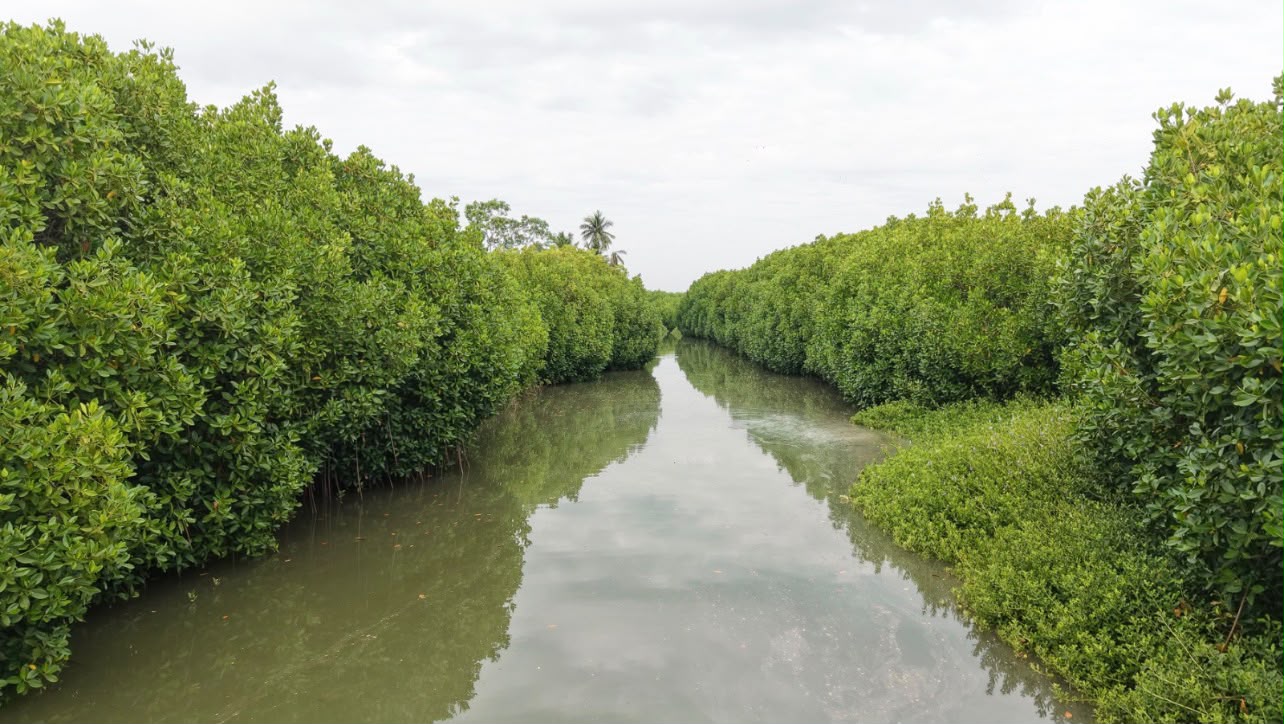
The Pichavaram Mangrove Forest in Cuddalore District, Tamil Nadu, is one of India’s most distinctive coastal wetland landscapes. Located between the Vellar and Coleroon river systems, the mangrove ecosystem combines tidal waterways, islands, mudflats, lagoons, estuarine habitats and dense vegetation. Its ecological richness makes Pichavaram an important natural asset for Tamil Nadu and a notable example of the value of mangrove conservation in South Asia.
Pichavaram is particularly significant because its mangrove forest is closely connected with surrounding freshwater and marine environments. Tidal movements continuously influence the landscape, carrying water, nutrients and sediments through a network of channels. This interaction creates specialized habitats that support a wide variety of aquatic organisms, birds and other wildlife while also helping maintain coastal ecological processes.
A Unique Network of Islands and Tidal Canals
One of the defining features of the Pichavaram mangrove ecosystem is its intricate network of waterways. The forest includes numerous islands separated by narrow canals and tidal channels, producing a complex wetland landscape that is difficult to replicate elsewhere. The movement of tidal water through these channels influences salinity, sediment distribution and nutrient availability, helping sustain the mangrove vegetation and associated species.
The combination of islands, mudflats, lagoons and estuarine areas also creates different ecological niches within a relatively compact coastal region. These habitats work together as a connected system rather than functioning as isolated patches of vegetation.
A Vital Nursery for Marine Life
Pichavaram’s mangroves have an important role in supporting coastal fisheries. The dense network of roots and shallow waterways provides relatively sheltered conditions for juvenile fish, prawns, crabs and other shellfish. These organisms can use mangrove habitats for feeding, shelter and early development before moving into larger estuarine or coastal waters.
The health of such nursery habitats can influence the wider productivity of nearby marine ecosystems. For fishing communities, healthy mangrove environments can therefore have significance beyond biodiversity conservation, supporting ecological conditions that underpin fisheries and coastal livelihoods.
An Important Habitat for Birds
The wetlands surrounding Pichavaram also provide habitat for a variety of resident and migratory birds. Seasonal visitors use the area’s waterways, mudflats and vegetation for feeding and resting, while the broader wetland environment provides opportunities for shelter and breeding for suitable species. The presence of diverse birdlife reflects the productivity and structural complexity of the mangrove landscape.
Bird habitats are closely connected to the health of wetlands. Changes in water availability, food resources, pollution or habitat disturbance can affect the species that depend on these environments. Protecting Pichavaram therefore has implications for both mangrove vegetation and the wider wildlife community supported by the wetland.
Protecting Coastal Water and Ecological Balance
Mangrove ecosystems perform important functions in coastal hydrology and sediment management. Their roots and vegetation can slow water movement, trap sediments and help stabilize coastal soils. These processes can reduce erosion in appropriate settings and contribute to the maintenance of shoreline and wetland structure.
Mangroves can also help improve water quality by retaining sediments and processing nutrients before they move farther into coastal waters. At Pichavaram, the interaction between freshwater flows, tidal waters and mangrove habitats demonstrates how wetlands can act as an ecological transition zone between rivers and the sea.
Why Pichavaram Matters for Mangrove Conservation
The ecological importance of Pichavaram extends beyond its immediate location in Tamil Nadu. It provides a practical example of how mangrove forests can simultaneously support biodiversity, fisheries, coastal processes and environmental resilience. Its connected habitats demonstrate the importance of protecting wetlands as complete ecosystems rather than focusing only on individual mangrove trees.
For conservation efforts to remain effective, long-term attention is needed toward habitat protection, water quality, pollution management, responsible tourism and community participation. Protecting the natural flow of water and maintaining the integrity of the wetland are also important for sustaining the ecological functions of the forest.
A Natural Treasure for India and the World
Pichavaram Mangroves represent an important part of India’s coastal natural heritage. The forest’s network of waterways and islands, rich biodiversity, fisheries value and role in coastal ecological processes make it a significant conservation landscape. Its importance also contributes to wider global efforts to protect mangrove ecosystems, which are increasingly recognized for their value in biodiversity conservation and climate resilience.
As coastal regions face growing environmental pressures, Pichavaram offers a clear reminder of why healthy mangrove ecosystems matter. Conserving this unique wetland can help protect marine life, bird habitats, water quality and coastal ecological balance while preserving a remarkable natural landscape for future generations.