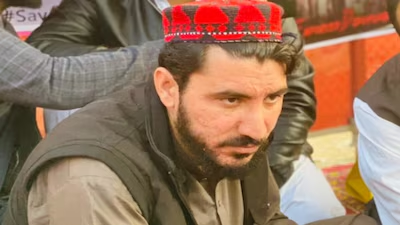
Pashtun Tahafuz Movement (PTM) chief Manzoor Pashteen has accused Pakistan’s military and intelligence agencies of creating, financing and training militant groups operating in Pashtun regions. Speaking at an international gathering in The Hague, he called for an independent investigation into alleged human rights violations, enforced disappearances and the impact of military operations on civilian communities.
Pashteen made the allegations during the Hague Justice Dialogue 2026, where he raised concerns about the treatment of Pashtuns in Pakistan’s Khyber Pakhtunkhwa province and adjoining areas. He argued that years of conflict had left local communities facing insecurity, displacement and restrictions on their rights.
His remarks placed Pakistan’s security policies under renewed international scrutiny. However, the allegations against the military and intelligence agencies remain claims made by the PTM leader and would require independent investigation to establish the facts.
Manzoor Pashteen Calls for International Investigation
During his address, Pashteen urged international institutions and human rights organisations to investigate alleged abuses in Pashtun-majority areas. He called for accountability over reported civilian deaths, disappearances and the displacement of residents during security operations.
The PTM leader also alleged that the security situation had enabled powerful interests to gain greater control over land and natural resources in the region, including areas with valuable mineral deposits.
He argued that local communities should have a greater say in decisions affecting their security, property and economic future. His demands included accountability for alleged abuses and the release of activists detained for their political activities.
The speech was part of a broader effort by the movement to draw international attention to longstanding grievances involving security operations and the treatment of Pashtun communities.
Pakistan’s Security Policies Under Scrutiny
Pakistan has faced persistent security challenges in Khyber Pakhtunkhwa and the former Federally Administered Tribal Areas, where militant organisations have operated for years. The region has experienced armed attacks, counterterrorism operations and repeated displacement of civilians.
The Pakistani government and military have maintained that security operations are necessary to combat militant violence and protect the country. At the same time, Pashtun activists have repeatedly raised concerns about civilian casualties, missing persons and alleged unlawful detention.
The PTM emerged in 2014 and gained national attention in 2018 through demonstrations demanding accountability, an end to enforced disappearances, the removal of landmines and better protection for Pashtun residents.
Pakistan banned the movement in October 2024, declaring it a proscribed organisation on national security grounds. The decision intensified concerns among supporters and rights advocates about restrictions on the group’s activities.
Pakistan Delegation Reportedly Walks Out
Reports from the Hague gathering indicated that members of Pakistan’s delegation walked out during Pashteen’s address. The reported departure added to the tension surrounding the allegations and highlighted the disagreement over how Pakistan’s security policies should be discussed internationally.
The available information did not establish a detailed official explanation for the reported walkout. Nor did the incident itself resolve the competing claims made by the PTM and Pakistani authorities.
The exchange reflects the wider diplomatic sensitivity surrounding accusations against national security institutions, particularly when they involve alleged abuses and the activities of militant organisations.
Pashtun Rights Issue Gains International Attention
Pashteen’s appearance at the international dialogue highlights the movement’s efforts to bring its demands beyond Pakistan’s domestic political arena. The PTM has sought international attention for allegations concerning missing persons, civilian protection, freedom of expression and accountability for security operations.
The debate also illustrates the difficulties of addressing longstanding conflicts in regions where militant violence and state security operations have both affected civilian life.
Independent investigations, credible evidence and transparent legal processes would be necessary to establish responsibility for the alleged abuses raised in the speech.
For Pashtun communities, the central issues remain security, political representation and protection of basic rights. Whether the latest international appeal leads to further scrutiny or concrete action will depend on the response of relevant institutions and the availability of independently verified evidence.