The Future of Printing Is Becoming Self-Service
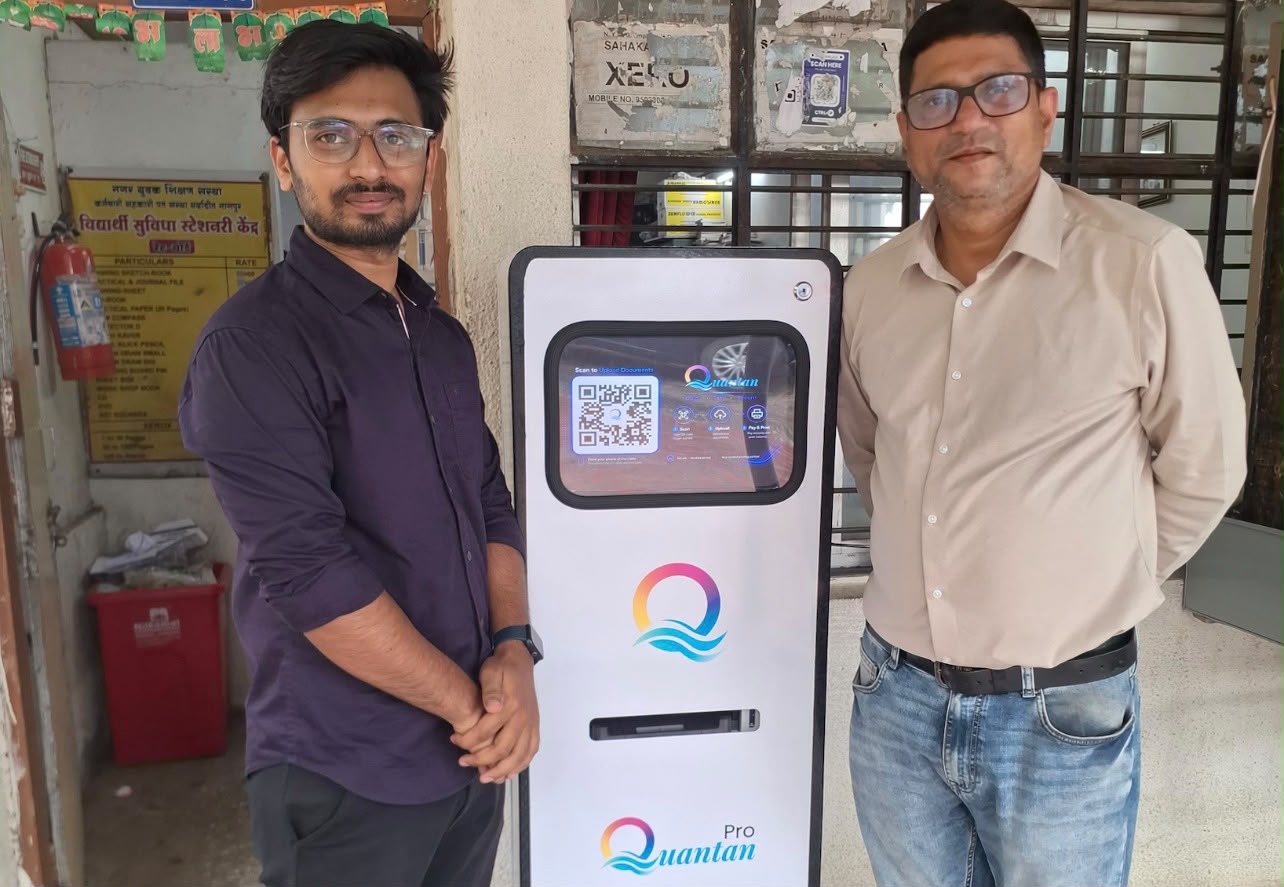
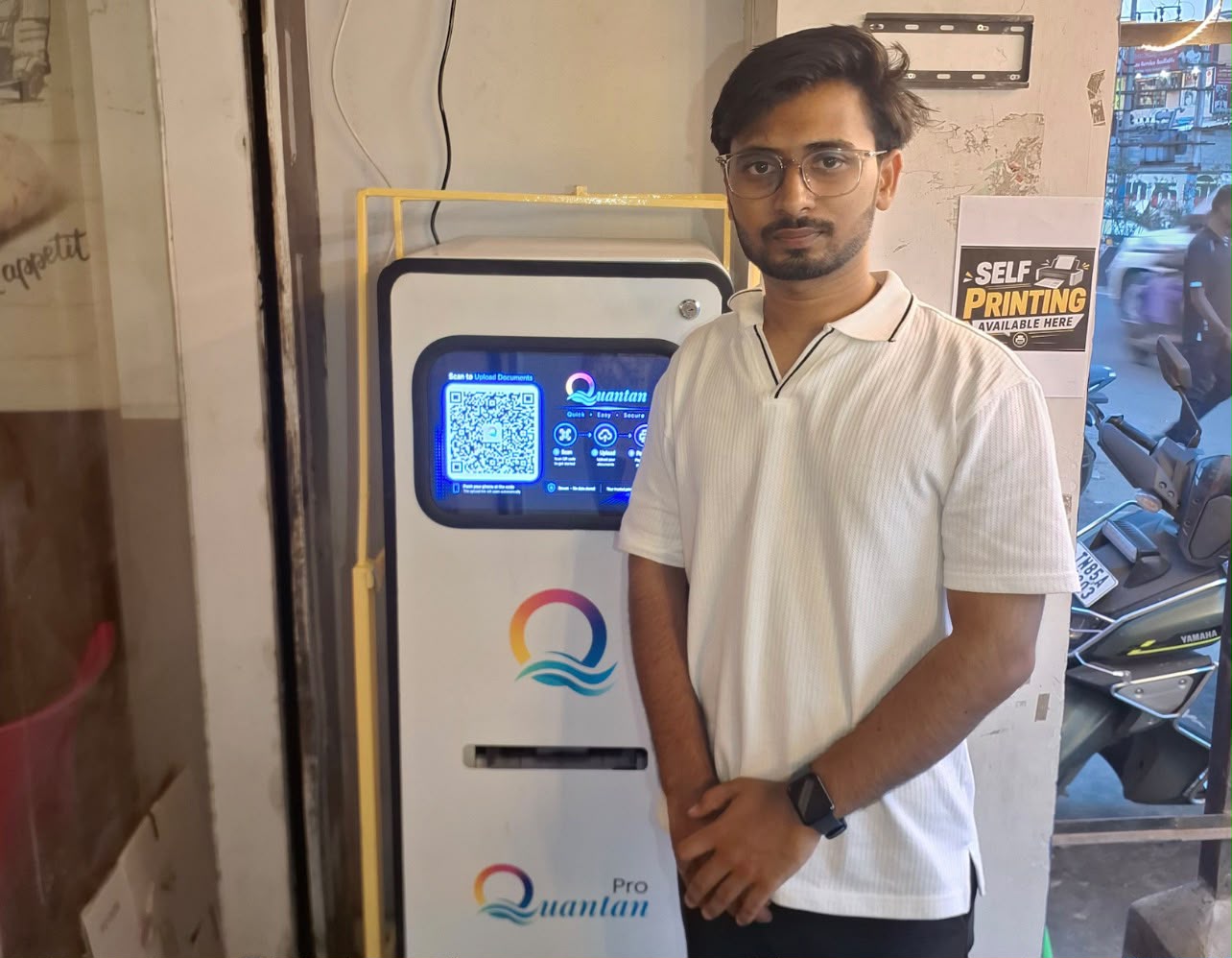
Quantan is emerging as a technology-driven printing solution designed to make document printing faster, more convenient and digitally enabled. Through its self-service printing kiosks and automated software ecosystem, Quantan connects QR-based document upload, digital payments and instant printing in a streamlined workflow. The company’s approach reflects a broader shift in how everyday services are being delivered: with less manual intervention, greater accessibility and technology that can operate around the clock.
From Traditional Print Counters to Automated Printing
Traditional print shops often depend on staff to receive files, manage queues, confirm print settings, collect payments and process individual jobs. This can create waiting time and repetitive operational work. Quantan addresses this workflow through automation. Its platform allows users to scan a QR code, upload documents from a phone, select print preferences, make a digital payment and collect printed documents. For operators, the same ecosystem provides tools to manage printing activity and monitor performance.
How Quantan’s Self-Service Printing Kiosk Works
The customer experience is built around a simple sequence. A user scans the kiosk QR code, uploads a document from a mobile device, chooses the required print settings and completes payment. The print job can then be processed without requiring a traditional counter interaction. Quantan describes its kiosks as contactless and designed for 24/7 access, making the model suitable for locations where users may need documents outside conventional business hours.
A Complete Hardware and Software Ecosystem
Quantan is not positioned only as a printer or standalone machine. The company describes its platform as a combination of hardware, cloud infrastructure and software applications. Its technology stack includes a Linux-based kiosk operating system, cloud APIs, real-time communication, UPI payment integration, remote monitoring and automated queue management. This integrated architecture allows printing activity to be connected with operational data rather than being treated as an isolated machine-level process.
Built for Businesses That Want Greater Operational Control
For print shop owners and entrepreneurs, automation can change the economics and management of a printing operation. Quantan’s dashboard allows operators to track revenue, usage and printer performance remotely. Features described by the company include live order queues, smart alerts for issues such as low paper or ink, price controls for different print types and remote device controls. This gives operators a centralised way to understand what is happening across their printing infrastructure.
Designed for Campuses, Offices and High-Footfall Locations
The self-service printing model can be relevant across a wide range of environments where people regularly require quick access to physical documents. Quantan identifies colleges and universities, libraries and study centres, railway stations and public places, corporate offices, co-working spaces and retail print shops among potential use cases. In these environments, the ability to access printing through a QR-first workflow can reduce dependence on staffed counters and make basic document services more accessible.
Security and Convenience in the Printing Workflow
Document handling is an important consideration when printing personal, academic, professional or administrative material. Quantan states that its kiosk workflow is designed around secure file handling and that files are automatically deleted after printing. The platform also combines QR-based upload with digital payments, reducing the need for customers to hand over devices or share files manually with staff. These features are intended to make the printing experience more convenient while keeping the process digitally managed.
A Business Model Built Around Ownership and Scalability
Quantan also presents self-service printing as a business opportunity. Its partner model allows operators to own kiosks, set their own print pricing and manage multiple devices through a central dashboard. The company’s current store lists three kiosk models—Spark, Pro and Ultra—with different configurations for black-and-white and colour printing. The platform is designed to support both individual kiosk deployment and larger multi-kiosk operations, giving businesses the ability to expand their footprint as demand develops.
Making Printing Faster, Smarter and More Accessible
The significance of Quantan lies in its attempt to move printing from a staff-dependent service toward an automated digital infrastructure. Instead of treating printing as a simple hardware transaction, the company combines self-service access, cloud connectivity, payments, monitoring and operational analytics into one ecosystem. For customers, the objective is a faster path from document upload to printed output. For operators, the objective is greater visibility and reduced manual coordination.
The Road Ahead for Automated Printing
As consumers become increasingly accustomed to QR payments, mobile-first services and self-service experiences, printing can also benefit from the same digital transformation. Quantan’s model demonstrates how an everyday requirement can be redesigned through automation without removing the physical service itself. By combining kiosks, software and remote management, the company is building an approach to printing that is intended to be convenient for users and manageable for businesses.
Conclusion
Quantan is bringing together self-service hardware, software automation, digital payments and remote management to reimagine how printing can work in modern environments. Its QR-based workflow, automated processing, operational dashboard and focus on 24/7 accessibility address several limitations associated with traditional print-counter models. As businesses and institutions continue looking for efficient, digitally enabled services, automated printing solutions such as Quantan can play an increasingly relevant role in making document access faster, simpler and more flexible.
Official Website