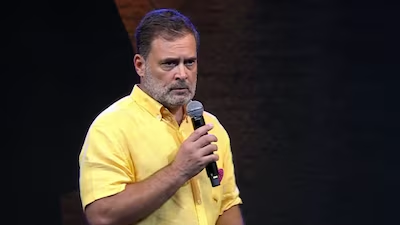
New Delhi, October 3, 2026: Congress leader and Leader of Opposition in the Lok Sabha Rahul Gandhi has criticised the police response to demonstrations demanding the resignation of Chief Election Commissioner Gyanesh Kumar. Referring to the protests held on Gandhi Jayanti, Gandhi said that force may disperse a gathering but cannot prevent people from raising questions.
In a message posted on social media, Gandhi said thousands of young people had taken to the streets peacefully to protest what they described as “vote theft” and to demand accountability from the Election Commission. He alleged that protesters were detained despite exercising their constitutional rights.
Invoking Mahatma Gandhi’s principles of truth and non-violence, the Congress leader said peaceful protest was an important way for citizens to question those in authority. He also asserted that Gyanesh Kumar would eventually leave office, along with the system responsible for his appointment.
Gandhi’s remarks came as opposition parties, student organisations and civil society groups held demonstrations in Delhi and Mumbai over alleged irregularities in the revision of electoral rolls.
Protests in Delhi Lead to Detentions
In the national capital, protesters attempted to assemble near Jantar Mantar to demand the Chief Election Commissioner’s resignation. Several political and student organisations participated in the mobilisation.
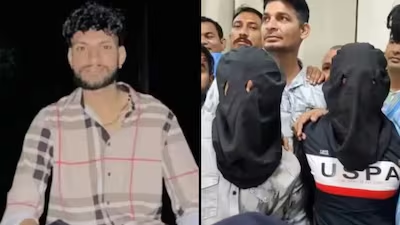
Delhi Police detained around 700 protesters, according to reports. Demonstrators were stopped at multiple locations as authorities enforced restrictions under Section 163 of the Bharatiya Nagarik Suraksha Sanhita.
Some opposition leaders, including AAP representatives, were also detained. Security arrangements affected movement in parts of central Delhi, with restrictions reported around several metro stations.
The police action became a central point of political debate, with opposition leaders questioning the handling of the demonstrations. The protests were organised amid a broader campaign seeking answers from the Election Commission over the Special Intensive Revision (SIR) of electoral rolls.
Demonstrations Also Held in Mumbai
Protests were not limited to Delhi. In Mumbai, activists and civil society groups gathered at Shivaji Park to raise concerns about the Election Commission and alleged voter-list irregularities.
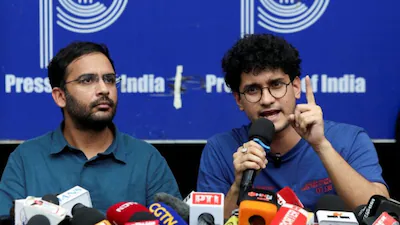
The Cockroach Janta Party and other groups demanded Gyanesh Kumar’s resignation. CJP leader Abhijeet Dipke also announced plans for another demonstration at Jantar Mantar on October 10 if the Chief Election Commissioner does not step down.
The demands raised by the groups include greater transparency in electoral-roll revisions and accountability over alleged voter deletions. These remain allegations made by protesters and opposition representatives.
Dispute Over Electoral Roll Revision
The demonstrations have intensified a wider debate over the Election Commission’s functioning and the SIR exercise. The controversy gained further attention following a report claiming that Election Commissioners Sukhbir Singh Sandhu and Vivek Joshi had raised objections on several occasions regarding procedures connected with electoral matters.
The Election Commission has rejected the suggestion that the reported exchanges amounted to institutional disagreement over final decisions. It has said that operational questions and suggestions during the drafting process are part of normal administrative functioning, adding that decisions on the SIR schedule were unanimous.
The opposition has continued to demand explanations and accountability from the poll body, while the Election Commission has maintained its position on the decision-making process.
Political Tensions Likely to Continue
Rahul Gandhi’s comments have added to the political confrontation surrounding the protests. By linking the demonstrations to Gandhi’s principles of peaceful resistance, he framed the issue around citizens’ right to question public institutions.
Further opposition programmes are expected in the coming weeks, keeping the debate over electoral transparency and the role of the Election Commission in public focus. The central questions remain how electoral-roll concerns are addressed, how authorities manage demonstrations and what responses the Election Commission provides to criticism.