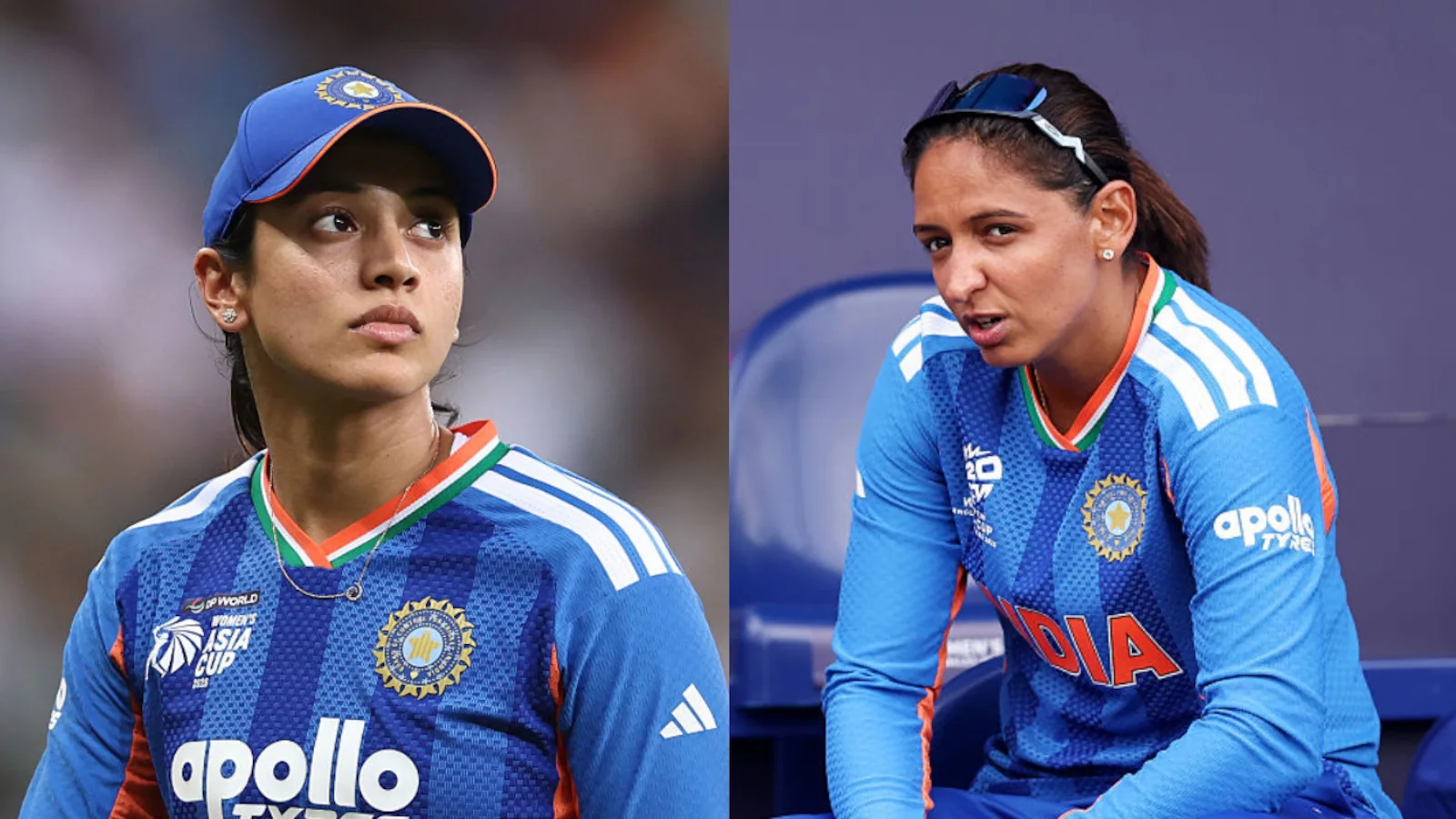
Smriti Mandhana has officially taken over as captain of the Indian women’s cricket team, marking a significant change in leadership after Harmanpreet Kaur stepped down from the role across formats.
The appointment, announced on October 6, puts one of India’s most established contemporary batters at the centre of the team’s next phase. Mandhana has already gained captaincy experience at international level and in franchise cricket, making the move a logical progression in her career.
Mandhana’s long-awaited leadership opportunity
Mandhana has been part of India’s senior setup since her international debut in 2013. Before receiving the full-time leadership role, she had captained India in 18 T20 internationals and four ODIs.
Her leadership credentials also strengthened through the Women’s Premier League, where she guided Royal Challengers Bengaluru to championship victories in 2024 and 2026. Those experiences have given her exposure to managing different players, match situations and high-pressure contests.
The captaincy change therefore represents more than a simple replacement. It hands responsibility to a player who has already spent several years within the national leadership group.
Harmanpreet’s captaincy chapter comes to an end
Harmanpreet Kaur decided to relinquish the captaincy following a review involving the Board of Control for Cricket in India.
Her tenure included several major achievements for Indian women’s cricket. She led India across Tests, ODIs and T20Is and remained an important figure in the side even after stepping away from leadership.
Importantly, Harmanpreet has not announced her retirement from international cricket. She is expected to continue contributing as a player, meaning she will remain part of the dressing room during Mandhana’s leadership era.
Questions over whether the transition should have happened earlier
Mandhana’s appointment has also revived a broader debate about India's leadership succession.
Earlier in 2026, Mandhana had indicated that she was prepared to accept greater responsibility and argued that the team needed a clear long-term plan, particularly with the next T20 World Cup cycle in mind.
Former India captain Mithali Raj had also previously argued that Mandhana could have been given the leadership role earlier. That has added weight to the view that the transition might have been considered sooner.
However, the timing ultimately became a strategic decision for the selectors and team management, particularly after a series of mixed results in major tournaments.
Reports of dressing-room tension add another dimension
Some reports have alleged that differences between Mandhana and Harmanpreet had created uneasiness within the team.
Those claims remain reported accounts rather than publicly established facts. What is clear is that the two players now occupy different positions in the leadership structure: Mandhana is the captain, while Harmanpreet continues as a senior player.
How effectively the team manages that transition could be just as important as Mandhana’s tactical decisions on the field.
A new leadership phase for India
Mandhana’s first major assignment as the full-time captain will provide an early indication of how she intends to shape the team.
India are scheduled to face Zimbabwe in a bilateral series beginning October 16, with three T20Is followed by three ODIs. Mandhana will lead the side in both formats.
The change also gives India an opportunity to build a longer-term leadership structure around Mandhana while developing the next generation of players.
For Mandhana, the challenge now goes beyond her own batting. She will be expected to make tactical calls, manage a changing squad and maintain unity within the group while carrying the expectations attached to leading Indian cricket.
The appointment marks the beginning of a new chapter. Whether it develops into a successful long-term captaincy will depend on how Mandhana handles that responsibility and how quickly the team adapts to the change.