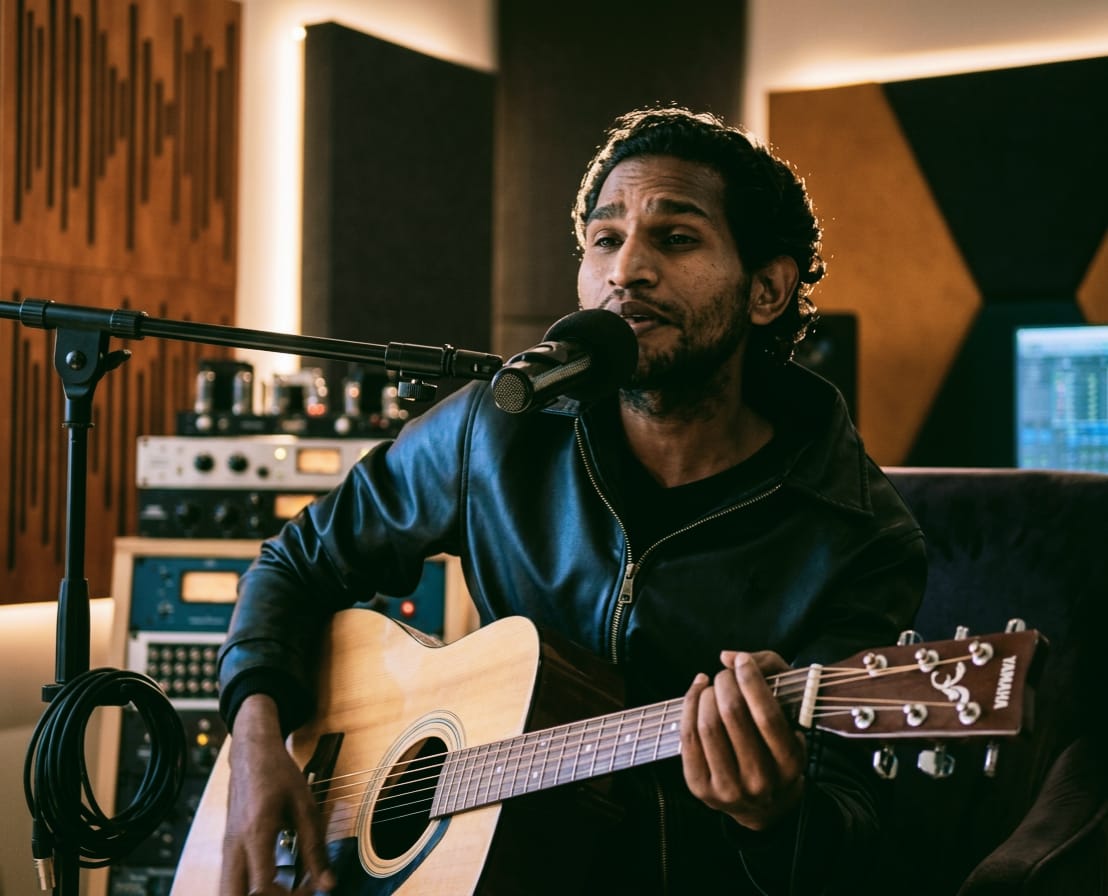
A person can look healthy, go to work every day, manage professional responsibilities and live a seemingly normal life while changes are quietly taking place inside the body.
This is one of the most overlooked challenges in modern health: we often wait for symptoms before we start paying attention to our health.
But conditions such as high blood pressure, elevated blood sugar, excess weight, abnormal cholesterol and other metabolic concerns can develop gradually. Sometimes, there may be no obvious warning signs.
That is why preventive health needs to begin before the body reaches a crisis point.
Feeling Healthy Does Not Always Mean Being Healthy
One of the most common assumptions about health is simple: if there is no pain, everything must be fine.
But the absence of symptoms is not necessarily proof of good health.
A person may continue working, travelling, attending meetings and managing family responsibilities while experiencing subtle changes in energy, sleep, weight or physical fitness.
The body may communicate through persistent tiredness, disturbed sleep, increasing waist size, acidity, breathlessness during routine activity, frequent cravings, poor concentration or irritability.
Sometimes, however, it may not communicate through noticeable symptoms at all.
That is precisely why regular health awareness and appropriate health checks are important.
The Silent Nature of Lifestyle-Related Health Risks
High blood pressure is one example of a health condition that can remain unnoticed for a long period. Without regular measurement, a person may not realise that their blood pressure has gradually increased.
Similarly, changes in blood sugar, cholesterol, body weight and other metabolic indicators may develop before an individual feels significantly unwell.
This creates an important distinction:
Feeling well and being healthy are related, but they are not always the same thing.
Preventive healthcare encourages people to understand their health status rather than waiting for symptoms to become unavoidable.
Modern Life Is Making Prevention More Important
Daily routines have changed significantly.
Many people now spend most of their working hours sitting at a desk. Travel involves prolonged sitting, entertainment happens through screens and social interaction increasingly takes place digitally.
The result is a lifestyle in which the body may receive considerably less movement than it requires.
Physical inactivity, poor dietary habits, inadequate sleep and chronic stress can gradually affect overall wellbeing.
The solution, however, does not necessarily require extreme lifestyle changes.
Walking more, sitting less, eating consciously, maintaining a regular sleep routine and spending time outdoors can become practical starting points.
Health Should Not Become Another Competition
Wellness does not need to mean becoming a marathon runner overnight or following an expensive and complicated programme.
Small, sustainable changes can be more realistic.
A person can begin by incorporating more movement into the day, becoming more conscious about food choices, improving sleep discipline and creating periods away from screens.
Understanding basic health indicators can also provide useful information.
Knowing your blood pressure, blood sugar, cholesterol, waist measurement and family health history can help you have a clearer understanding of your health rather than relying entirely on how you feel.
The Role of Preventive Wellness
For Gurumaa Yogita Khatri, wellness is closely connected with understanding everyday habits and their relationship with the body.
At Nirvana Naturopathy and Retreat in Igatpuri, Nashik, the emphasis is on encouraging individuals to reconnect with their lifestyle and recognise the importance of food, movement, sleep, breathing, sunlight, relaxation and emotional balance.
Naturopathy and preventive wellness can complement an individual’s broader approach to health. They should not be understood as a replacement for appropriate medical diagnosis or treatment when a medical condition requires professional care.
The larger objective is awareness: understanding that daily lifestyle is an important part of long-term wellbeing.
Your Lifestyle Is Part of Your Healthcare
Many people want better health without changing the habits that may be contributing to their problems.
They want better sleep while continuing to sleep late.
They want better digestion while eating hurriedly.
They want more energy while remaining physically inactive.
They want mental peace while continuously consuming information through digital screens.
They want their health to improve while giving their body very little opportunity to recover.
The body is constantly adapting to the way we live. That is why lifestyle decisions matter.
Prevention Begins With Awareness
Preventive health does not begin with fear. It begins with awareness.
Know your health numbers.
Know your family history.
Understand your eating habits.
Pay attention to physical activity.
Observe your sleep.
Recognise stress.
And notice how often you postpone taking care of yourself.
A health check can sometimes reveal information that the body has not yet communicated through symptoms.
That knowledge provides an opportunity to respond earlier.
Young People Should Not Assume They Are Automatically Safe
Health concerns are not exclusively associated with old age.
A person can be young while following a lifestyle that creates long-term health risks. Conversely, someone in their forties or fifties can make meaningful lifestyle changes that support better health in the years ahead.
The important question is therefore not simply:
“How old am I?”
It is:
“How well is my body coping with the way I am living?”
This is especially relevant for young professionals who spend long hours working, rely heavily on screens, sleep irregularly and frequently compromise their physical activity.
Listen Before the Body Shouts
Prevention is often discussed as being better than cure. But there is another way to look at it:
Prevention can be better than regret.
A health concern identified early provides an opportunity to seek appropriate professional guidance. A lifestyle habit changed today may influence wellbeing in the future.
You do not have to wait for your body to shout.
Listen while it is whispering.
Walk before inactivity becomes your routine. Rest before exhaustion becomes your identity. Eat consciously before health reports become your warning. Check your health before symptoms force you to pay attention.
The greatest healthcare system is not only the hospital we reach when we become ill. It is also the daily lifestyle we build while we are still well.
The disease we do not feel yet may be the one we have the greatest opportunity to prevent.
And perhaps the most important health question is not “What is wrong with me?”
It is:
“What can I do differently while I am still well?”