Igatpuri, Nashik | August 2026
Independence Day is traditionally celebrated with flag hoisting, patriotic songs, cultural programmes and national pride. But at an Adivasi school in Igatpuri, Nashik, this year’s celebration offered a different expression of patriotism—one centred on children, community support, environmental responsibility and meaningful action.
On the occasion of India’s 80th Independence Day, Gurumaa Yogita Khatri of Nirvana Naturopathy and Retreat, Igatpuri, spent time with students at the school, turning the occasion into an opportunity for interaction, learning and community welfare.
A Celebration Focused on Children
The morning began in the scenic surroundings of Igatpuri, where the Sahyadri landscape provided a memorable backdrop to the Independence Day celebrations.
Gurumaa Yogita Khatri interacted closely with the students, spoke with them and encouraged them to share their thoughts and aspirations. What began as a formal Independence Day gathering gradually became an engaging interaction filled with curiosity, laughter and enthusiasm.
For the children, the opportunity to interact personally and openly added a human dimension to the celebration.
The initiative reflected a broader idea of community engagement and social responsibility—that national celebrations can also become occasions to identify practical needs and contribute meaningfully to local communities.
A Practical Contribution to the School
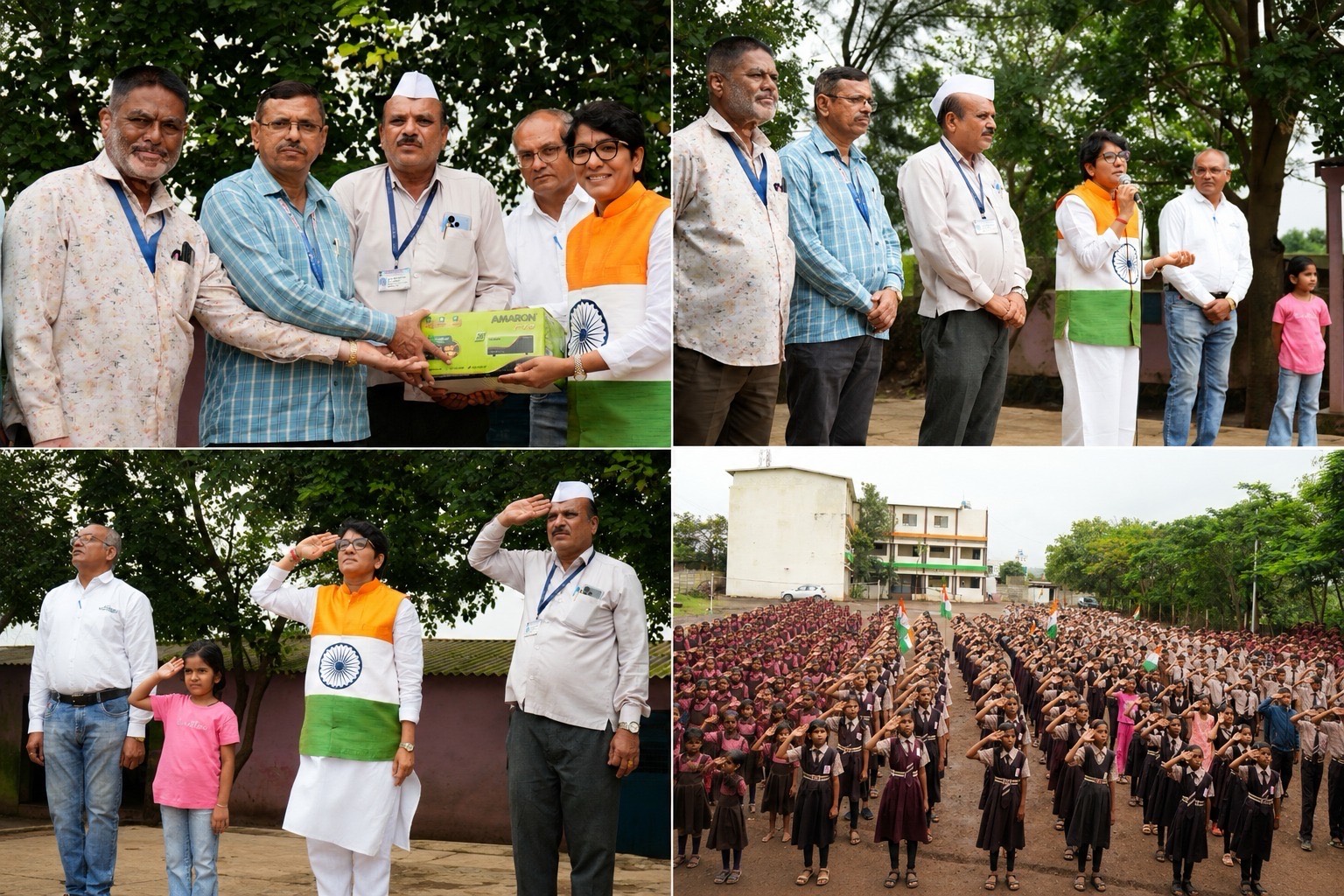
One of the key initiatives undertaken during the visit was the installation of an inverter at the school.
While such an intervention may appear modest, reliable electricity can play an important role in maintaining a stable learning environment. Power interruptions can affect classrooms and daily school activities, making access to backup electricity a practical requirement.
The initiative demonstrated an approach to social responsibility that focuses on identifying an actual need and providing a solution with everyday utility.
Rather than limiting the celebration to symbolic activities, the effort sought to create something that could continue benefiting the school and its students beyond Independence Day.
Planting Trees With the Next Generation
Environmental awareness was another important part of the celebration.
Gurumaa Yogita Khatri planted trees with the students within the school premises and encouraged them to understand the importance of protecting nature. The children actively participated by planting saplings, putting their hands into the soil and watering the plants.
For young students, such hands-on activities can make environmental education more relatable. A lesson about conservation becomes more tangible when children participate directly in planting and caring for a tree.
The activity also connected the idea of Independence Day with responsibility toward India’s future, reminding students that national development and environmental sustainability must progress together.
Sharing Happiness With the Students
The celebration also included the distribution of sweets and juices among the children.
However, the interaction went beyond distributing refreshments. Gurumaa continued spending time with the students, listening to their conversations and learning about their interests, studies and aspirations.
For children, being heard and encouraged can be deeply meaningful. Such personal interactions can help create a sense of connection and remind young people that their dreams and voices matter.
The atmosphere of the gathering reflected the simple joy that often defines meaningful community programmes.
The Tricolour Brings Everyone Together
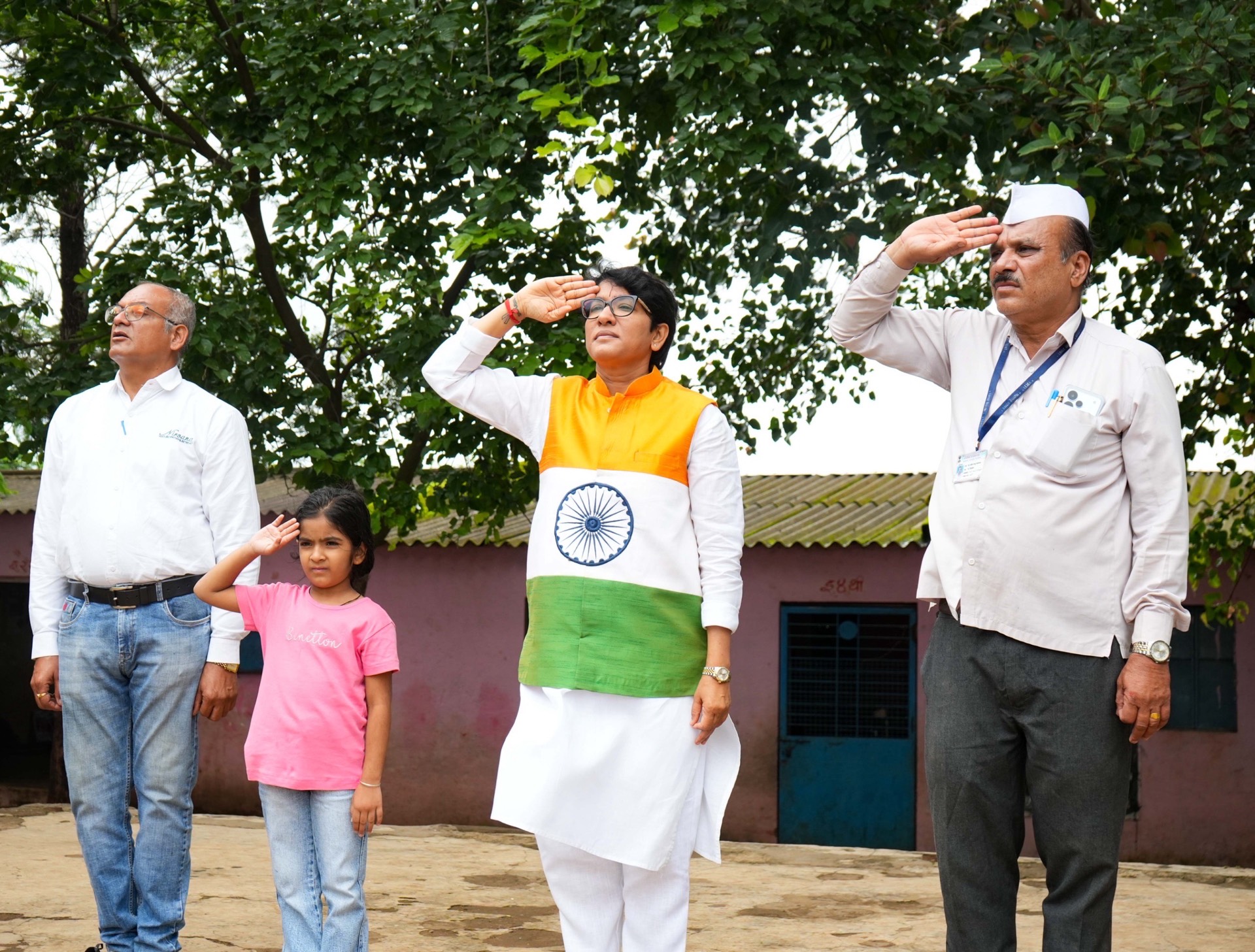
The emotional centre of the programme was the Independence Day flag-hoisting ceremony.
As the Tricolour was raised, students and attendees came together in a shared expression of national pride. The National Anthem further strengthened the sense of unity.
The ceremony served as a reminder that Independence Day is not only about remembering India’s history but also about thinking about the country’s future.
Standing together beneath the national flag, differences of background, position and circumstance become secondary to a shared identity as Indians.
Patriotism Through Action
The celebration highlighted an important dimension of patriotism: service to society.
National pride can be expressed through ceremonies and patriotic programmes, but it can also be reflected through actions that improve the lives of others. Supporting education, helping schools, planting trees, encouraging children and addressing community needs are all examples of practical citizenship.
For Gurumaa Yogita Khatri, the Independence Day initiative represented this broader understanding of social responsibility.
The focus was not on making a grand declaration but on contributing in practical ways—improving a school facility, engaging with students, supporting environmental awareness and creating moments of happiness.
Small Initiatives, Meaningful Impact
India’s development challenges are complex, and no single activity can solve them. An inverter cannot transform an entire education system, a few saplings cannot resolve the country’s environmental challenges, and distributing refreshments cannot address every social need.
Yet meaningful social change is often built through consistent and localised efforts.
A school facility can solve a specific problem. A planted tree can grow for decades. A conversation can encourage a child to dream bigger. A moment of encouragement can leave a lasting impression.
These individual actions may appear small, but together they contribute to a stronger culture of community participation.
Building a Better Future Through Children
Education and children’s development remain closely connected to India’s long-term progress. Providing young people with supportive learning environments, opportunities for interaction and exposure to positive social values can contribute to their broader development.
The Independence Day programme at the Adivasi school in Igatpuri brought together several such elements—education, environmental responsibility, community welfare, children’s participation and patriotism.
It also demonstrated that meaningful celebrations do not necessarily require elaborate arrangements. Sometimes, the most powerful programmes are those that respond to real needs and create genuine human connections.
A Different Meaning of Independence Day
Independence Day often encourages people to reflect on India’s journey and the sacrifices that made freedom possible. It can also be an opportunity to consider what citizens can contribute to the country’s continued development.
The experience at the Igatpuri school offered one answer: contribute where possible, support children, care for the environment and strengthen communities through action.
As the Tricolour flew above the school and the children joined together in saying “Jai Hind,” the celebration became more than a ceremonial event.
It became a reminder that the future of India is ultimately reflected in the lives, education, opportunities and dreams of its children.
At the Adivasi school in Igatpuri, Independence Day was celebrated through service, smiles, sustainability and national pride.
And perhaps that is one of the simplest ways to understand patriotism—not merely as something we say or celebrate, but as something we choose to live through everyday acts of responsibility and compassion.