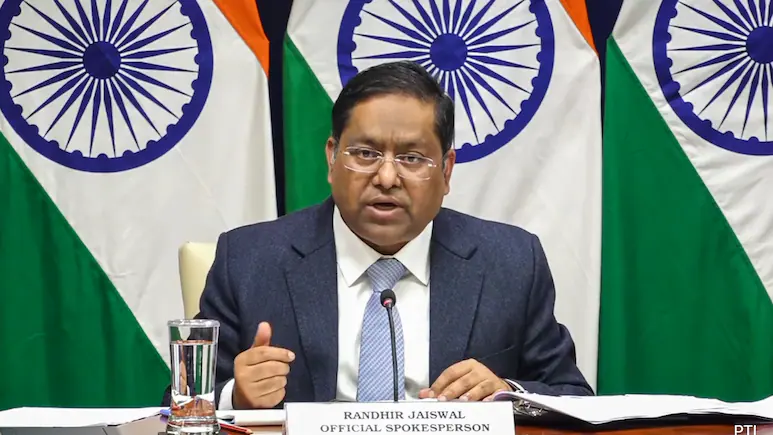
All 14 Indian nationals aboard a traditional boat involved in an incident off Yemen's coast have been reported safe, according to the Indian government. Authorities are working to establish direct contact with the individuals, assess their welfare and explore arrangements for their possible return to India.
The development was confirmed by Ministry of External Affairs spokesperson Randhir Jaiswal during a media briefing on Friday, October 23, 2026. The Indian Embassy in Yemen also reported that the nationals were safe and believed to be in the Hodeidah region of the country.
The incident had raised concerns about the safety of Indian citizens operating in waters near Yemen, where regional tensions and maritime security risks remain significant.
Indian Government Working to Contact the Nationals
Jaiswal said the government had been in touch with various parties to obtain information about the 14 Indians and determine how best to assist them.
According to the ministry, all 14 individuals were understood to be safe and located around Hodeidah, a port city on Yemen's western coast along the Red Sea.
Officials are seeking to establish direct communication with the nationals through available contacts and members of the Indian community in the region. The government is also examining options to support their well-being and facilitate their return to India, if feasible.
The Indian mission has reiterated its commitment to protecting the interests of Indian citizens abroad. However, details about the individuals' current circumstances and the precise arrangements for their return have not yet been fully disclosed.
What Happened to the Boat Near Yemen?
The incident reportedly occurred on October 22 near Jabal Zuqar Island, close to the strategically important Bab el-Mandeb Strait in the Red Sea.
Yemen's Houthi movement claimed that Saudi forces had targeted a vessel carrying 14 Indian nationals. A Houthi spokesperson also stated that the group's forces were involved in rescuing those aboard.
These claims have not been independently established. Indian authorities have said they are working to determine the circumstances surrounding the incident, and the Indian Embassy has not definitively identified who was responsible for the reported attack.
Saudi Arabia had not publicly responded to the allegations in the reports available on October 23.
The distinction is important because the precise sequence of events, the nature of the incident and the responsibility for it remain subjects requiring further verification.
Why the Bab el-Mandeb Strait Matters
The Bab el-Mandeb Strait connects the Red Sea with the Gulf of Aden and serves as a major maritime passage linking shipping routes between Europe and Asia.
Commercial vessels carrying energy supplies, manufactured goods and other essential cargo regularly use this corridor. Disruptions in the region can affect international shipping, increase security concerns and create risks for seafarers.
Yemen has experienced prolonged conflict involving the Houthis, Yemen's internationally recognised government and regional powers. The wider security situation has also affected maritime activity around the Red Sea and nearby waters.
For Indian seafarers, these developments are particularly important because thousands of nationals work aboard vessels operating on international routes.
Safety of Indian Seafarers Remains a Priority
The latest incident comes amid broader concerns about the security of Indian nationals working across West Asian maritime routes.
The Indian government has been monitoring developments affecting citizens in the region and coordinating with diplomatic missions to provide assistance when required.
Officials have also been supporting Indians affected by disruptions to travel in West Asia. During the same briefing, the government discussed efforts to help Umrah pilgrims stranded in Saudi Arabia return home, including coordination with airlines, tour operators and community volunteers.
These parallel efforts highlight the challenges of assisting Indian citizens when regional security conditions disrupt travel and maritime operations.
What Happens Next?
The immediate priority is to establish direct contact with all 14 nationals, confirm their individual circumstances and determine the assistance they require.
Indian authorities are also expected to continue gathering information about the boat incident through diplomatic channels and other available contacts.
Although the embassy has reported that everyone is safe, important questions remain about the circumstances of the incident and the timeline for their possible return.
The government's next steps will depend on verified information from the region, the individuals' situation and the practical arrangements available for their safe travel back to India.