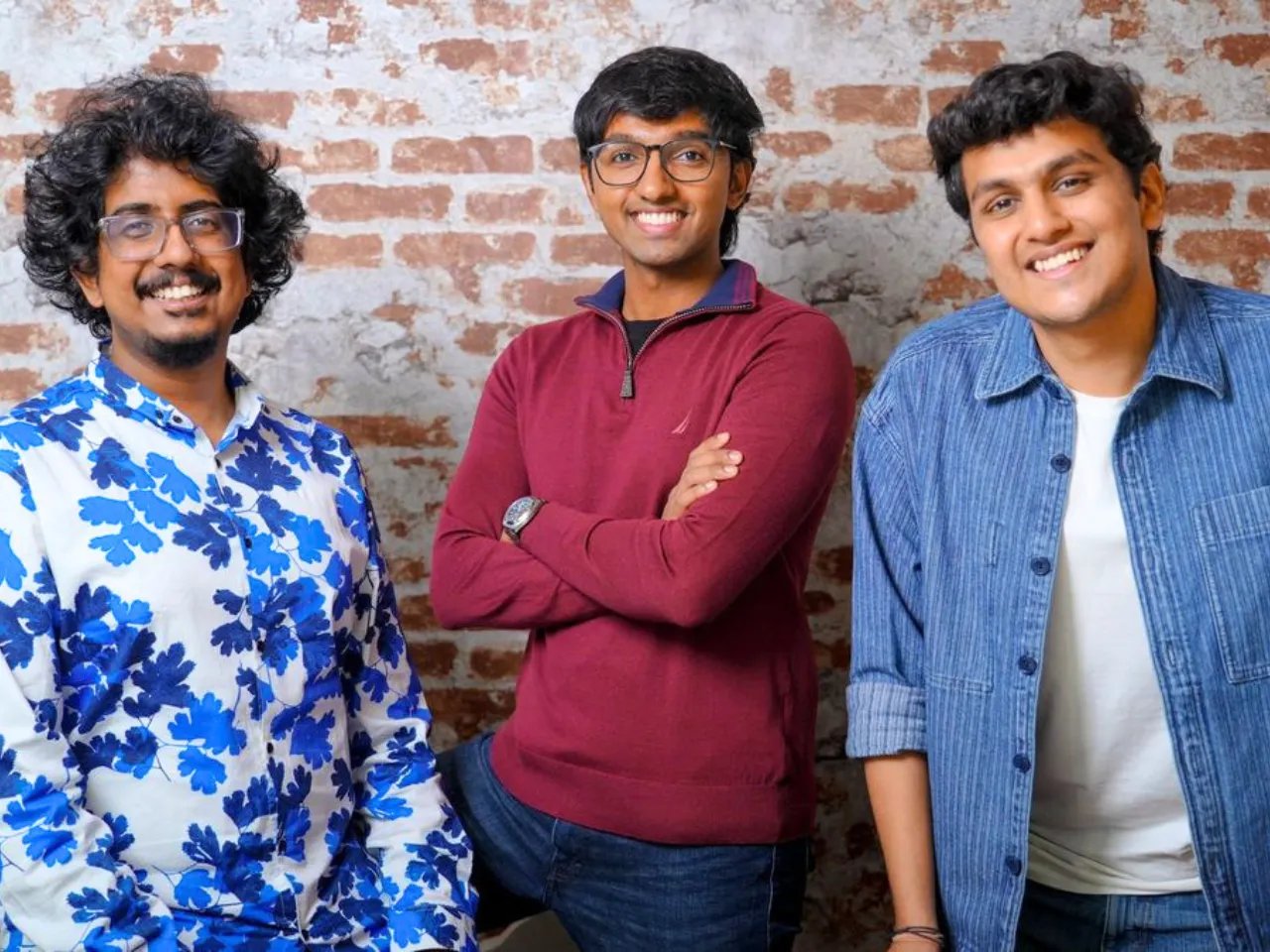
Entrepreneurs Alex Ruber and Parth Chopra turned a series of unsuccessful startup experiments into a business generating more than $1 million in revenue by focusing on a simple problem: helping people maintain meaningful connections with family and friends.
The founders initially explored several ideas across different industries, including artificial intelligence-powered shopping, therapy, self-journaling, dating and business software. Many of these products failed to achieve the combination of customer engagement and financial sustainability required to build a successful company.
Their breakthrough came when they stopped chasing entirely different markets and created Candle, a social connection app designed to encourage people to communicate more regularly through daily questions.
The experience offers a useful lesson for entrepreneurs: a successful startup does not always emerge from the first idea. Sometimes, the key is finding a problem worth solving and refining the solution until customers genuinely value it.
An AI Shopping Startup That Struggled to Make Money
Ruber and Chopra met through a startup co-founder matching programme in January 2024. Both were working as engineers and shared an interest in building technology products outside their regular jobs.
Their first major venture combined artificial intelligence with secondhand shopping. The application allowed users to describe the clothes they wanted in everyday language and then searched multiple resale platforms to present relevant options in one place.
The concept targeted shoppers interested in finding specific items while supporting the growing market for pre-owned fashion.
Although the founders saw early interest, the business model proved difficult to sustain. Operating the technology was expensive, while browsing activity did not consistently translate into purchases. The commission earned from completed transactions was also insufficient to make the business economically attractive.
The founders eventually recognised that customer interest alone was not enough. A viable startup needed both sustained usage and a business model capable of covering operating expenses.
Five to Six Ideas Failed to Deliver the Right Results
After moving away from the shopping application, the founders spent several months testing alternative concepts. Their experiments included products related to therapy, personal journaling, dating and business-to-business services.
They tried to develop early versions quickly, sometimes building a product within a day or two before presenting it to potential users.
The goal was to gather feedback, conduct interviews and evaluate whether people returned to the application or demonstrated a willingness to pay.
Each experiment generally lasted a few weeks. When the results failed to meet expectations, they moved on to another idea.
However, repeatedly entering unfamiliar industries created its own challenges. The founders faced exhaustion and struggled to maintain enthusiasm as they switched between different customer groups and business problems.
Eventually, they took a short break to review their experience and reconsider their approach.
How Candle Became Their Breakthrough Product
During that period of reflection, the founders began thinking about their own relationships. They noticed that friends and family often checked on them because building a startup could be isolating, but conversations frequently revolved around the same brief updates.
This observation inspired Candle, an application built around a straightforward concept: two people answer a shared question each day.
The format encourages users to exchange thoughts, experiences and personal reflections, creating a regular opportunity for conversation without requiring long calls or elaborate plans.
Initially, the founders built the product primarily for themselves and people they knew. They did not begin with ambitious performance targets. Instead, they observed how users responded naturally.
The application began showing promising retention, with people continuing to use it and finding value in the experience. That organic engagement convinced the founders to take the idea more seriously.
Candle was published on the App Store in March 2025. The business subsequently generated more than $1 million in revenue during its first year, according to Ruber's account. The company operated with a small, four-person full-time team.
Why the Founders Avoid Using AI for Everything
Despite their technical backgrounds and experience building AI-powered products, the founders do not use artificial intelligence for every part of Candle.
They prefer human-written questions because the application's central purpose is authentic communication. They believe automatically generated prompts could make the experience feel less personal.
AI still supports other operations, including software development, grammar editing, language translation and recommendations for activities users can enjoy together.
This approach illustrates how startups can use AI to improve efficiency without allowing automation to undermine the main value of their products.
The Startup Lesson: Focus on the Problem, Not Just the Idea
Looking back, Ruber identified excessive changes in direction as a major mistake. Rather than remaining focused on a problem area and testing different solutions, the founders repeatedly moved into unrelated industries.
Their experience suggests that unsuccessful experiments can provide useful information, but constant reinvention can waste time and weaken a team's motivation.
For aspiring entrepreneurs, the broader lesson is to identify a genuine customer problem, launch a simple solution, gather feedback and measure whether people continue using it. Revenue matters, but repeat engagement can reveal whether a product is solving a meaningful need.
Candle's growth demonstrates how a modest idea grounded in everyday human behaviour can become a substantial business when the founders discover a problem people genuinely care about.