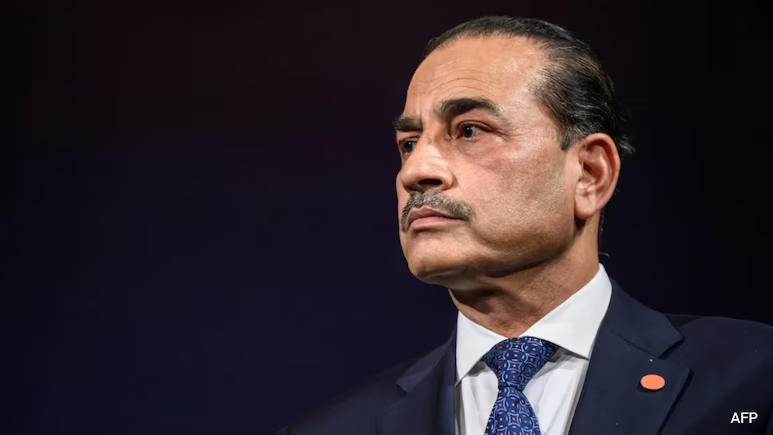
Pakistan is facing renewed debate over its provincial structure after reports emerged that Army chief Field Marshal Asim Munir supports dividing the country’s four provinces into smaller administrative units. The proposal could significantly alter the country’s political landscape, raising questions about governance, provincial autonomy and the balance of power between elected representatives and the military establishment.
Pakistan currently has four provinces: Punjab, Sindh, Khyber Pakhtunkhwa and Balochistan. Discussions about restructuring these regions include the possibility of creating between 12 and 15 provinces, while another option involves establishing as many as 160 smaller administrative territories. However, no final decision or officially approved restructuring plan has been announced.
Why Pakistan Is Considering Smaller Provinces
The debate centres on whether Pakistan’s existing provincial boundaries allow governments to deliver public services efficiently. The four provinces differ considerably in population, geographical size and administrative requirements, creating challenges for authorities responsible for infrastructure, public services and regional development.
Punjab presents one of the biggest governance challenges because of its enormous population. Home to approximately 128 million people, it accounts for more than half of Pakistan’s population. Balochistan, meanwhile, is the country’s largest province by area but has a population of roughly 15 million.
Supporters of administrative restructuring argue that smaller provinces could bring government institutions closer to residents, improve access to public services and make regional administration more manageable. Better-defined administrative responsibilities could also help authorities address local development needs more directly.
Nevertheless, changing provincial boundaries would involve more than administrative adjustments. It could reshape political representation and influence the distribution of power across the country.
Concerns Over the Military’s Influence
The reported proposal has attracted attention because of the military’s longstanding influence over Pakistan’s political system. Although the country has an elected government, the armed forces have historically played a major role in national security, foreign policy and domestic politics.
Punjab and Sindh are particularly important in this debate because their political parties and provincial institutions represent substantial electoral and regional interests. Dividing these provinces into smaller units could reduce the influence concentrated within existing provincial governments.
Critics may therefore question whether the restructuring would primarily improve public administration or also strengthen the authority of the federal government and military establishment.
Smaller provinces could become more dependent on Islamabad for funding, institutional support and administrative coordination. If that happened, the balance between provincial autonomy and central authority could shift significantly.
These concerns remain political assessments of the proposal’s possible consequences rather than proof of its intended purpose.
A Debate That Predates the Latest Reports
The idea of creating additional provinces in Pakistan is not entirely new. Planning Minister Ahsan Iqbal has previously discussed the need to reconsider the country’s administrative arrangements, including proposals involving 12 to 15 provinces and a larger number of smaller administrative units.
The issue has also gained attention amid broader discussions about the effectiveness of Pakistan’s governance system. Economic pressures, regional disparities and demands for improved public services have contributed to arguments for administrative reform.
However, establishing new provinces would require substantial political and constitutional groundwork. Questions concerning provincial boundaries, representation, financial resources and the distribution of administrative responsibilities would need to be addressed.
What Happens Next?
The future of the reported plan remains uncertain. Any major reorganisation would face political scrutiny, particularly from parties and regional groups concerned about their representation and autonomy.
The central challenge for Pakistan will be determining whether smaller administrative units can improve governance without weakening democratic accountability or intensifying regional tensions.
For now, the reported proposal has reopened a consequential debate about the country’s political structure. Whether it develops into a formal initiative will depend on political negotiations, constitutional procedures and the response of provincial stakeholders.