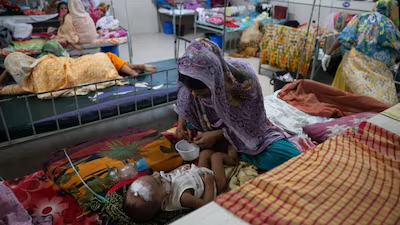
Bangladesh is facing a devastating public health emergency as a major measles outbreak continues to claim young lives, raising serious questions about vaccination coverage, healthcare preparedness and government accountability. The crisis has highlighted how failures in routine immunisation and delays in reaching vulnerable communities can allow a preventable disease to spread rapidly.
Since the outbreak began in March 2026, more than 202,000 suspected measles cases and 1,147 deaths had been reported by October, according to figures cited by international health authorities. Children under five account for approximately 94% of the reported deaths, making them the most vulnerable group in the unfolding emergency.
The scale of the outbreak has prompted renewed scrutiny of the country’s public health system and the decisions that left many children without adequate protection.
Missed Vaccinations Left Children Vulnerable
Measles is a highly contagious viral disease that can cause serious complications, particularly in young children who lack immunity. Vaccination remains one of the most effective ways to prevent infections and reduce the risk of severe illness.
Bangladesh had previously made substantial progress in expanding childhood immunisation. However, routine vaccination services experienced serious disruptions, including shortages of measles-rubella vaccines during 2024 and 2025. Gaps in regular immunisation and the absence of nationwide supplementary vaccination campaigns for several years contributed to the accumulation of susceptible children.
When vaccination coverage falls, the virus can spread through communities more easily. Children who miss scheduled doses, live in underserved areas or have limited access to medical services face particularly high risks.
The outbreak demonstrates why immunisation programmes require consistent funding, reliable vaccine supplies and regular monitoring rather than depending primarily on emergency campaigns after infections begin increasing.
Weak Planning and Healthcare Gaps Intensified the Crisis
The growing death toll has also drawn attention to shortcomings in disease surveillance, emergency planning and healthcare delivery.
Accurate public health data are essential for identifying communities with low vaccination coverage and directing resources towards children who need protection. When population records are incomplete or reported vaccination rates fail to reflect conditions on the ground, authorities may underestimate the number of children at risk.
Healthcare access presents another challenge. Families in remote and economically disadvantaged communities may struggle to reach vaccination centres or obtain timely treatment. Shortages of medical personnel and pressure on hospitals can further complicate the response during a large outbreak.
These problems are not limited to the availability of vaccines. Preventing child deaths also requires early diagnosis, accessible treatment facilities, trained healthcare workers and effective communication with parents.
Emergency Vaccination Efforts Continue
Bangladesh has launched emergency vaccination initiatives to contain the outbreak and protect children who missed earlier doses. Nearly 20 million children were reached during an earlier emergency campaign, but health authorities have acknowledged that additional children remain vulnerable.
A further campaign has targeted approximately 3.4 million children who still need to be reached. The effort reflects the difficulty of closing immunisation gaps after routine services have been disrupted.
Emergency vaccination can reduce the number of susceptible children, but it cannot replace a reliable, year-round immunisation programme. Health authorities must also identify missed communities, maintain adequate vaccine stocks and ensure that children receive the doses recommended under national guidelines.
Public awareness is equally important. Parents need clear information about vaccination schedules, the risks of measles and where to access appropriate medical services.
Government Accountability and Public Trust
The crisis has intensified debate over responsibility for the delays and weaknesses that preceded the outbreak. Public officials have acknowledged that prolonged delays in vaccination efforts contributed to the loss of children's lives, while questions remain about the decisions and administrative failures involved.
Accountability requires more than identifying individual mistakes. Authorities need transparent reporting, independent assessment of programme failures and clear plans to prevent similar disruptions in the future.
Restoring public confidence also depends on ensuring that families can access dependable health services regardless of their location or financial circumstances.
Preventing Another Public Health Emergency
Bangladesh’s experience offers an important lesson for countries seeking to protect children from preventable diseases. High reported vaccination rates can conceal local gaps, while disruptions to routine services may leave communities vulnerable even after years of progress.
Strengthening immunisation systems, improving health data, maintaining emergency supplies and reaching underserved families must remain long-term priorities.
The continuing outbreak is a reminder that child survival depends not only on the availability of effective vaccines but also on the public systems responsible for delivering them. Preventing further deaths will require sustained action, transparent oversight and a healthcare strategy that reaches every child before a preventable disease becomes a national emergency.