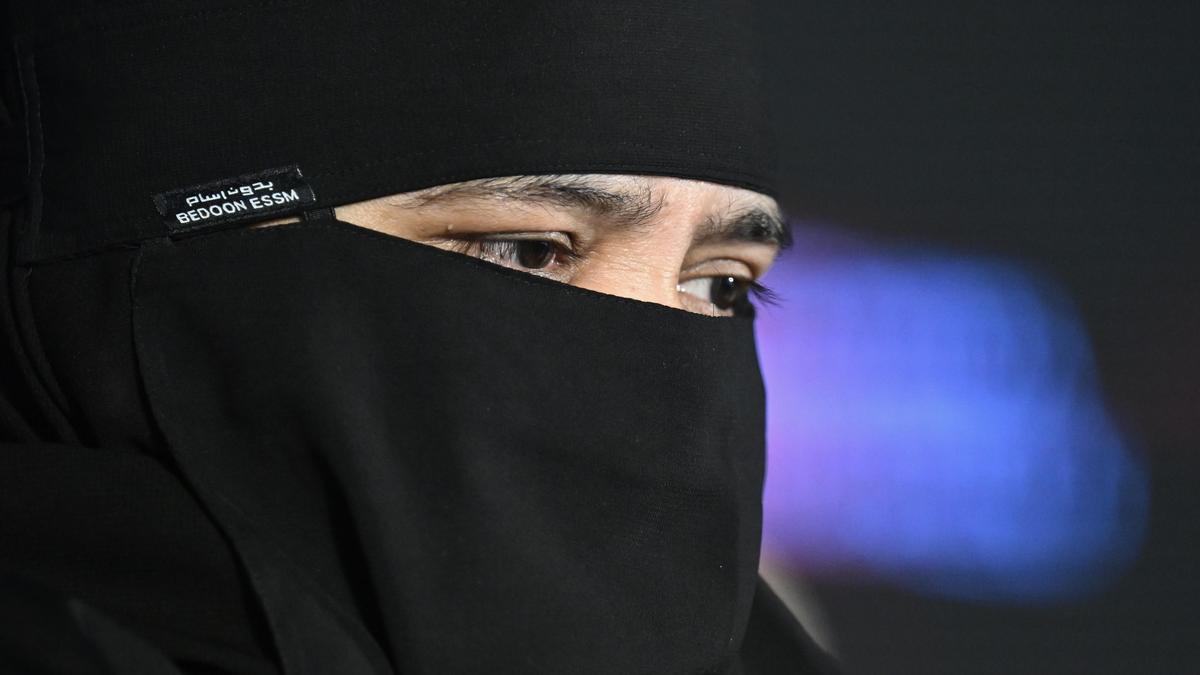
Bilkis Bano has announced that she will challenge the Supreme Court’s decision to suspend the life sentences of two men convicted in her gang-rape and family murder case, expressing shock that the order was passed without informing her or giving her an opportunity to be heard.
In a statement issued through her lawyer on November 17, 2026, Bano said she learned about the court’s decision through media reports. She described the development as a painful setback after more than two decades of pursuing justice and said the ruling had revived fears for her own safety and that of her family.
“I will fight this order. I must,” Bano declared, adding that her legal struggle was also for her children and for women and survivors who should not have to spend their lives fighting for justice.
Supreme Court Suspends Sentences of Two Convicts
The Supreme Court passed its order on October 28, suspending the life sentences of Bipinchand Kanaiyalal Joshi and Pradip Ramanlal Modhiya and granting them bail subject to conditions imposed by the trial court.
The two men were among 11 people convicted in connection with the 2002 Gujarat riots, during which Bano was gang-raped and seven members of her family were killed.
A bench comprising Justices M. M. Sundresh and Prasanna B. Varale noted that the two appellants had spent more than 17 years in prison. It also considered that one of them had a severe disability and that their appeals raised questions of fact and law that required further examination.
The order suspending their sentences does not overturn their convictions. Their appeals against the judgments upholding their life imprisonment remain to be considered.
The bail decision has nevertheless prompted renewed questions about the legal process and the protection of survivors’ interests in proceedings involving convicted offenders.
Bilkis Bano Questions Why She Was Not Heard
In her statement, Bano said the latest decision was the second time an order concerning her case had been passed without her being called or heard.
She questioned how the court could suspend the sentences of the men convicted in the case without informing her or ensuring that her concerns were placed before it.
Bano recalled that she was a young woman when the 2002 violence destroyed her family life and sense of security. She said she had spent 24 years pursuing justice, drawing strength from the support and solidarity of people who stood by her.
Although she had gradually rebuilt her life with the help of family and friends, she said the latest ruling had brought back the fear she had worked hard to overcome.
She expressed concern about the safety of herself, her family and her children, as well as the possibility of losing faith in the justice system once again.
Her statement made clear that she intends to contest the order rather than accept it as the end of the legal process.
A Case That Has Returned to the Supreme Court Repeatedly
The latest development comes after an earlier major legal battle over the premature release of the 11 convicts.
In August 2022, the Gujarat government granted remission to all 11 men, allowing them to leave prison before completing their life sentences. Bano challenged the decision before the Supreme Court.
In January 2024, the court quashed the remission orders, holding that the Gujarat government did not have the authority to grant the relief in the case. The convicts were directed to surrender and return to prison.
That ruling was widely viewed as a significant development in the long-running case, which has become an important national debate about criminal justice, remission policies and the rights of survivors.
Joshi and Modhiya subsequently pursued appeals against their convictions and sentences, leading to the October 28 order suspending their sentences and granting bail.
Bano Says Her Fight Is for Future Generations
Bano said her decision to challenge the latest order was driven not only by her own experience but also by concern for her children, who she believes should not have to live under the shadow of fear and painful memories.
She also remembered her three-year-old daughter, Saleha, who was among the family members killed during the 2002 violence. Bano said her daughter deserved to live and that her memory strengthened her determination to continue seeking justice.
Her statement extended beyond the individual case, arguing that no woman, survivor or citizen should have to endure an endless struggle to secure equality, dignity and legal protection.
The immediate legal question is whether Bano can successfully challenge the bail order and what further proceedings the Supreme Court may consider. The two men have received bail while their appeals remain pending; the underlying convictions have not been set aside.
For Bano, however, the decision has reopened a painful chapter in a legal struggle that has lasted more than two decades. Her vow to challenge the order places the case once again at the centre of discussions about survivors’ rights, judicial procedure and accountability in serious criminal cases.