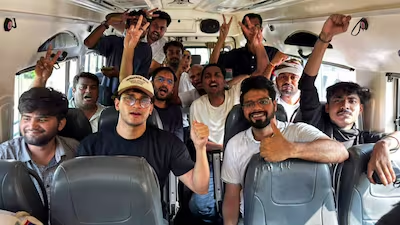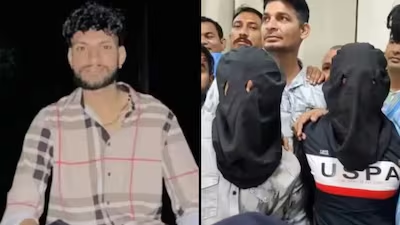
Cockroach Janata Party (CJP) leaders Saurav Das and Ashutosh Ranka were released from Tihar Jail on Wednesday, October 21, 2026, after spending seven days in judicial custody in connection with a protest-related case at Delhi's Jantar Mantar. A Special Executive Magistrate ordered their release after accepting the required personal bonds, surety bonds and a written undertaking to maintain peace.
The release came after the Delhi Police sought a further extension of their custody. The magistrate declined to keep the two leaders in detention beyond the seven-day period and directed that the necessary release formalities be completed.
The case has drawn attention to the legal restrictions governing demonstrations at designated protest sites and the use of preventive measures to maintain public order.
Why Were the CJP Leaders Detained?
Das and Ranka were initially remanded to five days of judicial custody on October 14 after being accused of entering Jantar Mantar without permission and violating earlier undertakings to maintain peace and good behaviour.
The authorities had initiated preventive proceedings following protest-related incidents in Delhi. According to the police, the leaders had allegedly breached security arrangements and entered an area that was no longer officially designated as a protest site.
Their custody was subsequently extended by two days on October 19, bringing the total period to seven days. The extension was due to expire on October 21, when the leaders were again produced before the Special Executive Magistrate.
The police sought additional time in custody, arguing that their release could create concerns about public order. Their lawyers challenged the grounds for detention and questioned the handling of the surety documents.
Magistrate Orders Release After Accepting Bonds
During the proceedings on Wednesday, the leaders submitted the required sureties. The magistrate accepted their personal and surety bonds, each valued at ₹50,000, along with a written undertaking concerning future conduct.
Under the undertaking, Das and Ranka agreed not to call for protests at Jantar Mantar until the location is formally restored as a designated protest site in accordance with the law. They also pledged that any future demonstrations would remain within constitutional and legal limits.
The undertaking further committed them to maintaining peace and public tranquillity.
Following acceptance of the documents, the magistrate issued the release order. The decision ended their seven-day period in judicial custody, although the conditions attached to their undertaking remain relevant to any future protest-related activity.
Delhi High Court Had Earlier Declined to Intervene
Earlier on Wednesday, the Delhi High Court considered the leaders' challenge to the extension of their judicial custody. The petitioners questioned the legality of the October 19 order and argued that their continued detention was unjustified.
Justice Subramonium Prasad asked why the leaders had approached the High Court before allowing the Special Executive Magistrate to decide the matter. The court pointed to the possibility of pursuing an alternative legal remedy if they remained dissatisfied with the magistrate's decision.
The High Court allowed the petition to be withdrawn without delivering a final ruling on the merits of the challenge.
Consequently, the later release order came through proceedings before the Special Executive Magistrate rather than a High Court judgment overturning the custody decision.
Dispute Centres on Protest Restrictions and Peace Bonds
The case follows earlier preventive proceedings in which the leaders had reportedly furnished bonds promising to maintain peace and good behaviour for a specified period.
Authorities alleged that the commitments were subsequently breached through renewed calls for demonstrations at Jantar Mantar. The leaders' legal representatives disputed aspects of the detention proceedings and raised concerns about the grounds on which their sureties had been questioned.
Peace bonds are intended to help prevent anticipated disturbances by requiring individuals to undertake to maintain public order. Their use, however, can raise legal questions about the circumstances in which preventive powers are exercised and the safeguards available to those affected.
The proceedings have therefore brought attention to the balance between public-order restrictions and the right to peaceful assembly.
What Happens After Their Release?
The release of Das and Ranka resolves their immediate period of judicial custody but does not automatically settle every issue connected with the underlying proceedings.
Their written undertaking places conditions on calls for demonstrations at Jantar Mantar, while any future protest must comply with applicable legal requirements.
The case also highlights the distinction between an order releasing individuals from custody and a judicial determination on whether the original detention was lawful.
As discussions over protest permissions and electoral issues continue, the developments are likely to keep attention focused on the procedures authorities use to regulate demonstrations and the legal remedies available to those challenging preventive action.