
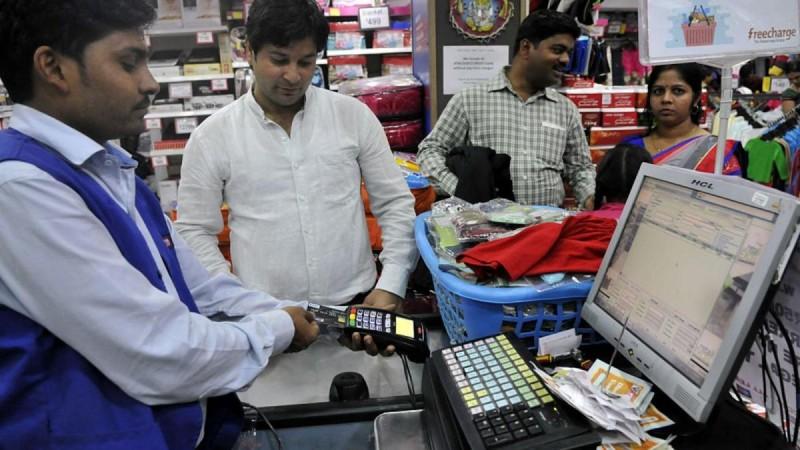
Credit card spending in India recorded a sharp increase in October 2026, rising nearly 20% from the previous month as consumers stepped up purchases ahead of Diwali. The latest Reserve Bank of India (RBI) data highlights the growing use of credit cards for online shopping, everyday payments and festive-season expenses, while also underlining the importance of responsible borrowing.
Total credit card expenditure reached ₹2.45 lakh crore in October, compared with ₹2.04 lakh crore in September. Spending was 14.4% higher than the ₹2.14 lakh crore recorded in October 2025.
The rise coincided with festive discounts, cashback offers and convenient digital payment options. However, financial discipline remains essential, as missed deadlines, unpaid balances and excessive borrowing can expose cardholders to substantial interest costs.
Credit Card Transactions Rise as Digital Payments Expand
Banks added approximately 14 lakh credit cards during October, taking the total number of outstanding cards to 12.67 crore, up from 12.53 crore in September.
Online and e-commerce purchases accounted for nearly 63% of the total transaction value. Spending through these channels reached ₹1.54 lakh crore, while transactions at point-of-sale (PoS) terminals amounted to ₹90,562 crore.
The number of credit card transactions climbed 32% year-on-year to 68.3 crore. Despite the increase in transaction volume, the average transaction value declined from ₹4,133 in October 2025 to around ₹3,585 in October 2026. This suggests that consumers are increasingly using cards for smaller, more frequent purchases.
HDFC Bank Leads Spending, While SBI and ICICI Record Strong Growth
HDFC Bank retained its leading position among major credit card issuers, recording transactions worth ₹70,115 crore in October. Its spending increased 7.6% compared with September.
SBI Card reported expenditure of ₹45,797 crore, marking a 31% monthly increase. ICICI Bank recorded a 37% rise to ₹42,295 crore, while Axis Bank reported spending of ₹30,211 crore, up approximately 30.5%.
The figures reflect stronger seasonal demand across major card issuers, although spending growth varied considerably between banks.
RBI Credit Card Rules: What Cardholders Need to Know
RBI regulations include safeguards designed to improve transparency and protect customers from unfair billing practices.
Under the applicable credit card directions, an issuer can report an account as past due to credit information companies or impose late-payment charges only when the account remains overdue for more than three days. This provision should not be interpreted as an extension of the payment deadline. Interest may still apply when the outstanding amount is not paid by the due date.
An RBI amendment issued in April 2026 is scheduled to take effect on April 1, 2027. It specifies that late-payment charges must be calculated on the outstanding amount after the due date rather than on the entire billed amount.
Cardholders also have the right to request a change to their billing cycle at least once. Choosing a billing date that aligns with salary payments can make repayment easier to manage.
Why Paying Only the Minimum Due Can Be Costly
Credit card statements generally display both the total amount due and the minimum amount payable. Paying the minimum may prevent the account from being treated as overdue under applicable conditions, but the remaining balance does not become interest-free.
Interest can accumulate on unpaid amounts, and customers may lose the interest-free period on subsequent purchases. Repeatedly carrying balances can therefore turn routine expenses into long-term debt.
Customers should aim to pay the entire outstanding balance by the due date whenever financially possible.
Practical Tips to Avoid Credit Card Debt
Cardholders can reduce the risk of missed payments and overspending by following a few basic practices:
- Automate repayments: Set up automatic payments and ensure sufficient funds are available.
- Track billing dates: Use reminders for every card, particularly when managing multiple accounts.
- Monitor statements: Check transactions, fees and interest charges regularly, and report unauthorised activity promptly.
- Control credit utilisation: Keeping outstanding balances below 30% of the available limit is a commonly recommended budgeting guideline, not a mandatory RBI requirement.
- Review EMI offers: Check interest rates, processing fees and the total repayment amount before converting purchases into instalments.
- Avoid unnecessary cash withdrawals: Credit card cash advances commonly attract additional fees and interest from the transaction date.
RBI rules also require issuers to obtain explicit customer consent before permitting transactions beyond the approved credit limit.
Responsible Spending Remains Essential
India's rising credit card expenditure reflects growing digital payment adoption and stronger consumer activity during the festive season. Yet higher spending does not automatically indicate healthier household finances.
Consumers who understand their billing cycles, monitor their limits and repay balances promptly can benefit from card rewards and payment flexibility without allowing debt to accumulate. As credit card usage expands, disciplined spending and timely repayment remain the most effective ways to avoid unnecessary financial pressure.