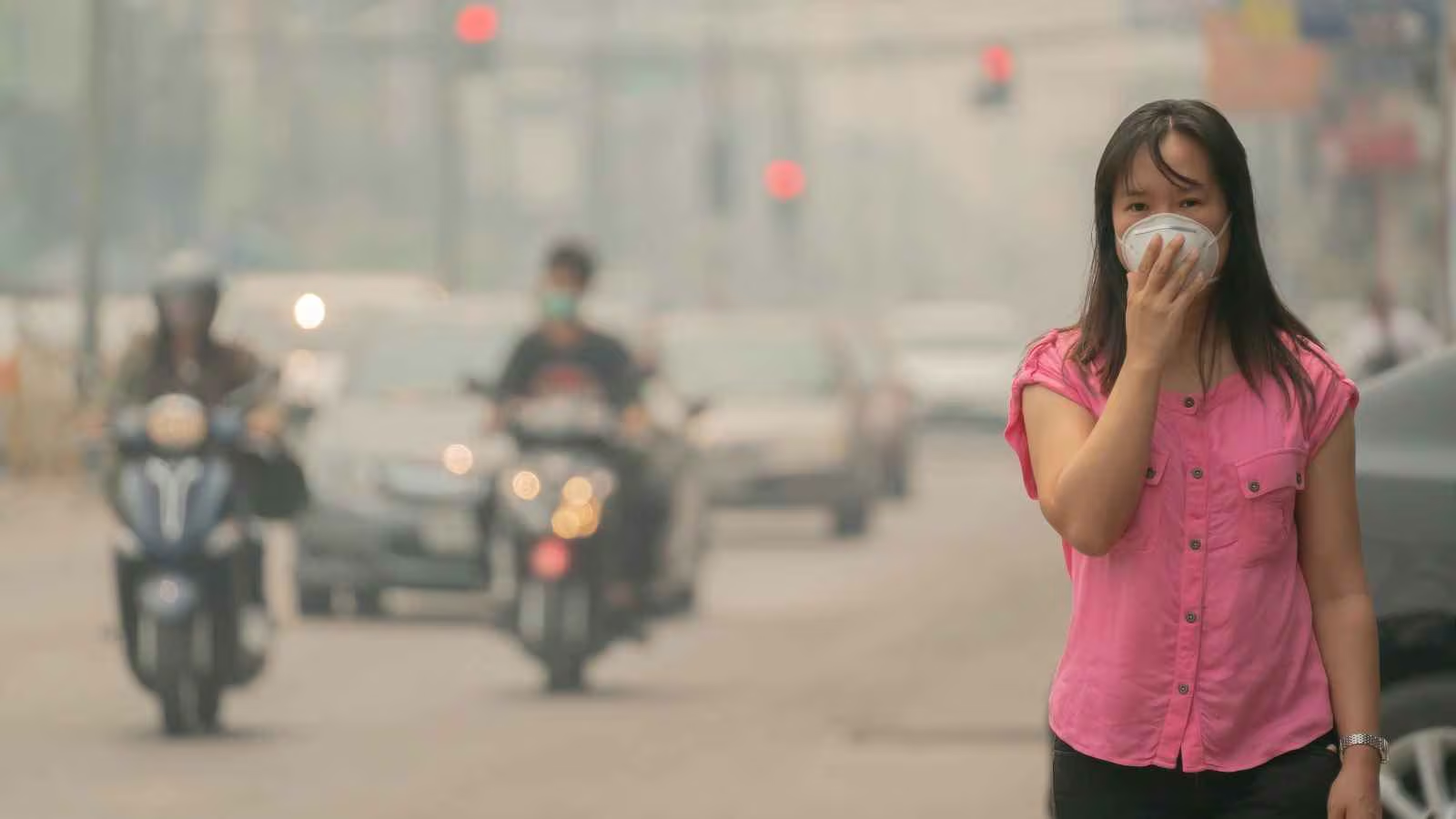
Diwali celebrations bring lights, gatherings and fireworks, but the smoke released during festive activities can also worsen air quality and create respiratory health concerns. Fine particles and harmful gases in the air can irritate the respiratory system, making the period particularly challenging for people living with asthma, chronic obstructive pulmonary disease (COPD) and other lung conditions.
Children, older adults and people with existing respiratory or heart problems may be more vulnerable to the effects of polluted air. However, even people without a diagnosed condition can experience throat irritation, coughing, burning eyes and breathing discomfort when pollution levels rise.
How firecracker smoke affects the lungs
Firecracker emissions add particulate matter and gases to the surrounding atmosphere. PM2.5 and PM10 are particularly concerning because these tiny airborne particles can enter the respiratory tract. Smaller particles can travel deep into the lungs, where they may trigger inflammation and worsen existing respiratory symptoms.
Exposure can cause coughing, wheezing, throat irritation, chest tightness and breathlessness. For people with asthma, polluted air may trigger an episode or make existing symptoms more difficult to control.
The overall pollution level is not determined by fireworks alone. Vehicle emissions, construction dust, industrial activity, agricultural burning and weather conditions can also contribute to poor air quality. During cooler months, atmospheric conditions may prevent pollutants from dispersing quickly, increasing exposure.
Practical ways to reduce exposure during Diwali
Doctors recommend reducing contact with smoke and monitoring local air quality during periods of heavy pollution. A few precautions can help limit exposure:
1. Check the Air Quality Index: Monitor local AQI readings before planning outdoor activities. Avoid unnecessary outdoor exposure when air quality is poor, particularly during and after periods of heavy firecracker use.
2. Limit time outdoors: People with asthma or other respiratory conditions should take extra care during high-pollution periods. Avoid strenuous outdoor exercise when the air is polluted, as increased breathing can raise the amount of pollutants inhaled.
3. Wear a well-fitting N95 mask: If going outside is unavoidable, a properly fitted N95 respirator can help reduce exposure to fine particles. It does not provide complete protection against every harmful gas or pollutant.
4. Improve indoor air quality: Keep windows and doors closed when outdoor pollution is especially high. If available, use an appropriately sized air purifier with a HEPA filter and maintain it according to the manufacturer's instructions.
5. Avoid additional indoor smoke: Cigarette smoke, incense, mosquito coils and burning waste can add to indoor pollution. Reducing these sources can help maintain cleaner indoor air.
Extra precautions for people with asthma
People who have asthma should follow the treatment plan provided by their healthcare professional. Prescribed inhalers and other regular medication should be used as directed, and medication should not be stopped or changed without medical advice.
Keeping prescribed medication accessible and discussing a pollution-season action plan with a doctor can also help patients prepare for possible symptom flare-ups. Family members should understand the plan and know when medical assistance is required.
Anyone experiencing worsening coughing, wheezing or breathlessness should seek medical advice. Severe breathing difficulty, trouble speaking or symptoms that do not improve with prescribed emergency medication require immediate medical attention.
Choose celebrations that create less pollution
Reducing firecracker use can help limit additional smoke during an already challenging period for air quality. Community celebrations with fewer emissions, decorative lights and traditional activities can provide alternatives that place less pressure on the environment.
Diwali should be a time of celebration, but respiratory health deserves attention as well. Checking air quality, reducing exposure to smoke and following medical advice can help individuals and families navigate the festive period more safely.