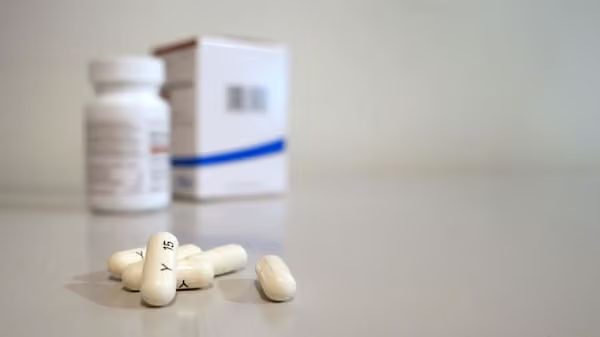
India’s latest move to make cancer medicines more affordable has brought substantial price reductions across hundreds of drug brands. The National Pharmaceutical Pricing Authority (NPPA) has revised the maximum retail prices (MRPs) of 543 anti-cancer medicine brands and pack sizes, with some generic and biosimilar products becoming more than 90% cheaper.
However, the changes have not benefited every medicine equally. Several high-cost cancer treatments, including the widely used immunotherapy drug Keytruda, continue to carry their previous listed prices. The difference highlights the limitations of controlling supply-chain margins when the starting price of a medicine remains high.
The revised prices will take effect from November 9, 2026.
Some Cancer Medicines Become More Than 90% Cheaper
The most significant reductions have been recorded in medicines where substantial mark-ups existed between manufacturers and the final selling price.
Palbopro, a brand of palbociclib used to treat certain types of breast cancer, has seen its price for a 125 mg pack of 21 capsules fall from ₹40,421.33 to ₹2,720. This represents a reduction of approximately 93.3%.
The chemotherapy medicine Samtepa, containing thiotepa, has also become considerably cheaper. Its 100 mg vial price has declined from ₹80,071.86 to ₹7,150.33, reducing the cost by nearly ₹72,922 per vial.
Other medicines have recorded substantial reductions:
- Abiralive, used in prostate cancer treatment, has fallen from ₹28,000 to ₹4,840 for the specified pack.
- Womazol, an anastrozole brand used in breast cancer treatment, has dropped from ₹458.85 to ₹39.52.
- Ivzumab, a bevacizumab brand, has seen its 400 mg vial price decline from ₹69,852.12 to ₹13,512.
Prices of selected brands containing dasatinib, lenvatinib and olaparib have also been reduced.
Nevertheless, savings vary between brands containing the same active ingredient. Patients' actual expenses will depend on the medicine prescribed, its strength, the treatment schedule and the price charged by the hospital or pharmacy.
Why Keytruda and Other Costly Medicines Were Not Reduced
Several expensive cancer medicines have not recorded any change in their listed MRPs.
Keytruda, which contains pembrolizumab and is used in the treatment of more than 21 cancer types, remains priced at ₹2,16,500 for a 100 mg vial. Other products with unchanged prices include Tagrisso, Tecentriq, Darzalex and Imfinzi.
Ribociclib, marketed under the brand name Kryxana for certain breast cancer treatments, also remains listed at ₹24,435.
The distinction is linked to the nature of the government's intervention. Rather than imposing a uniform reduction on every manufacturer's price, the policy limits the margins that distributors, stockists and other intermediaries can add to medicines.
Where the supply chain includes substantial mark-ups, restricting those margins can produce dramatic reductions. However, medicines with high manufacturer-set prices and limited competition may see little benefit from the same approach.
What the New Price-Control Measure Changes
The revised list follows the NPPA's October 17 decision to cap trade margins on 137 non-scheduled anti-cancer medicines at 30% of the maximum retail price.
Non-scheduled medicines are not covered by the routine ceiling-price mechanism applied to drugs included in the National List of Essential Medicines. The latest intervention extends price protection to this category by restricting the margins added during distribution and sale.
The regulator has also required pharmaceutical companies to submit revised price information and maintain existing production levels. The updated list reflects company information received up to October 27 and is expected to be revised as further details become available.
Will Patients See Lower Treatment Bills?
The price reductions could provide meaningful savings to people prescribed affected medicines, particularly those requiring repeated doses. However, a reduction in a drug's MRP does not automatically translate into an equivalent fall in the total cost of cancer treatment.
Expenses can also include surgery, radiation therapy, diagnostic investigations, hospitalisation and follow-up care. The final benefit will depend on whether hospitals and pharmacies pass on the revised prices to patients.
The latest changes therefore represent an important step in addressing medicine costs, but they also leave questions about the affordability of several expensive treatments. For patients and families, the key issue will be whether the medicines required for their treatment become genuinely less expensive when the revised prices come into effect.