

For decades, the debate between vegetarian and non-vegetarian lifestyles has largely focused on ethics, compassion, animal suffering, and environmental sustainability. Supporters of vegetarianism often argue that avoiding animal consumption reduces cruelty because animals possess nervous systems capable of experiencing pain, fear, and emotional distress.
However, modern scientific discoveries have introduced a far more complex and controversial question:
Can plants also feel pain, react emotionally, or possess a form of intelligence?
This fascinating debate has gained global attention due to growing research in plant biology, plant communication, bioelectric signaling, and environmental science. While many scientists reject the idea that plants experience conscious pain like animals, research increasingly confirms that plants are highly responsive living organisms capable of communication, adaptation, and biological signaling.
The conversation became particularly significant after the groundbreaking work of legendary Indian scientist Sir Jagadish Chandra Bose, whose pioneering experiments challenged the traditional belief that plants are passive, emotionless organisms.
Today, discussions surrounding plant intelligence, plant consciousness, and plant communication systems continue influencing scientific communities, ethical debates, and environmental philosophies worldwide.
Jagadish Chandra Bose: The Indian Scientist Who Revolutionized Plant Biology
Long before modern laboratories began studying plant signaling systems, Jagadish Chandra Bose introduced revolutionary ideas about plant sensitivity and responsiveness.
In the early 1900s, Bose invented the Crescograph, a scientific instrument capable of magnifying microscopic plant movements thousands of times. Through a series of experiments, he demonstrated that plants react actively to external stimuli such as:
- Light
- Heat
- Sound
- Mechanical injury
- Chemicals
- Electrical stimulation
- Environmental stress
His research showed that plants display measurable physiological reactions similar to biological responses observed in living tissues.
Bose argued that the line separating plant and animal life was much thinner than previously assumed. His experiments suggested that plants experience fatigue, recovery, stress responses, and internal signaling mechanisms.
At a time when mainstream science largely dismissed plant responsiveness, Bose’s discoveries became foundational in modern plant physiology and bioelectric research.
Today, many researchers consider him one of the earliest pioneers of plant neurobiology and plant communication science.
Modern Science Confirms Plants Communicate and Respond
Recent advancements in plant biology have validated many concepts that Bose introduced decades earlier.
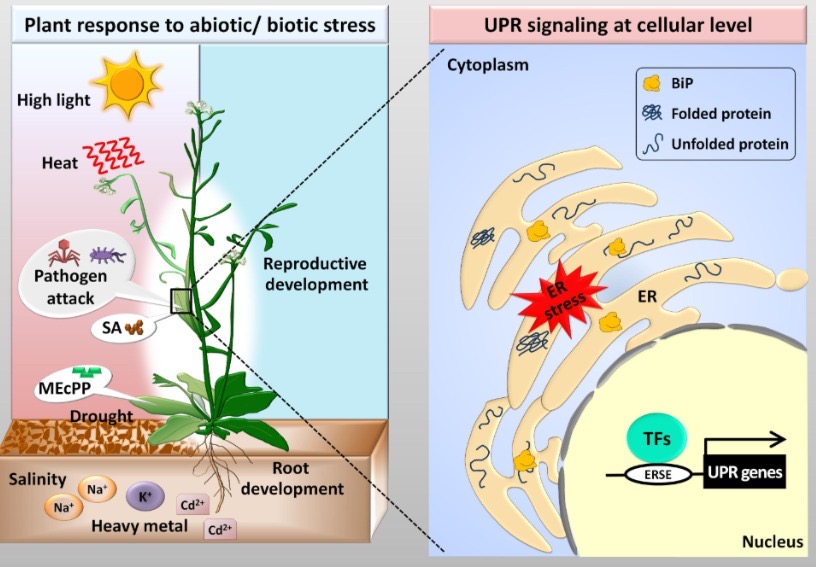
Modern scientific research confirms that plants possess sophisticated internal communication systems that help them survive and adapt to changing environments.
Studies show that plants can:
- Send electrical warning signals when damaged
- Release chemical compounds to alert nearby plants
- Detect gravity, temperature, and touch
- Change growth behavior under stress
- Respond to sound vibrations and environmental changes
- Activate defense systems against insects and pathogens
For example, research on Arabidopsis plants revealed that damaged leaves generate electrical signals capable of triggering defensive chemical responses throughout the plant structure.
Scientists have also observed that certain plants release airborne chemicals warning neighboring plants about insect attacks, enabling nearby plants to prepare defensive reactions before being harmed.
These discoveries have transformed scientific understanding of plant ecosystems and inter-plant communication.
Do Plants Actually Feel Pain Like Animals?
Despite these remarkable findings, most neuroscientists and botanists maintain that plants do not consciously feel pain the same way humans and animals do.
The primary scientific reason is simple:
Plants do not possess:
- A brain
- A nervous system
- Pain receptors
- Neurons or synapses comparable to animals
Pain, according to modern neuroscience, requires conscious neural processing inside a brain or central nervous system.
Although plants react biologically to damage, scientists argue these reactions are survival mechanisms rather than emotional experiences.
In other words:
Plants are biologically responsive, but there is currently no proven evidence that they consciously suffer.
This distinction remains central to the vegetarian vs non-vegetarian ethical debate.
Plant Intelligence and the Rise of Plant Neurobiology
The growing field of plant neurobiology continues to explore whether plants possess forms of intelligence or adaptive decision-making abilities.
Several scientists and thinkers have contributed to this discussion.
Stefano Mancuso
Italian botanist Stefano Mancuso argues that plants exhibit decentralized intelligence and problem-solving behavior despite lacking a centralized brain.
Charles Darwin
Charles Darwin once suggested that the root tip of a plant behaves similarly to a lower animal brain because it controls directional movement and environmental responses.
Jagadish Chandra Bose
Bose’s early experiments demonstrated that plants actively process external stimuli rather than behaving as passive organisms.
These perspectives continue fueling global scientific discussions about consciousness, intelligence, and the complexity of plant life.
The Ethical Debate: Vegetarianism, Non-Vegetarianism, and Plant Sensitivity
The discovery of advanced plant signaling systems has introduced deeper ethical questions into food and lifestyle debates.
Many vegetarians avoid meat because animals visibly experience pain and suffering.
But if plants also respond to injury and environmental stress, does this completely redefine ethical eating?
Most scientists currently conclude that although plants communicate and react intelligently, they do not consciously experience suffering comparable to animals.
However, these discoveries challenge the older assumption that plants are lifeless biological objects without responsiveness or complexity.
As a result, environmental philosophers increasingly encourage a more balanced and respectful relationship with all living systems rather than treating nature as entirely passive.
Why the Debate Over Plant Intelligence Matters Today
The conversation around plant consciousness is no longer limited to scientific laboratories.
It now intersects with:
- Environmental ethics
- Sustainable living
- Climate awareness
- Veganism and vegetarianism
- Ecology and biodiversity
- Conscious consumption
- Philosophy and spirituality
As humanity faces climate change, ecological imbalance, and environmental degradation, understanding the complexity of plant life has become increasingly important.
The debate also highlights how scientific discoveries can reshape long-standing ethical and philosophical beliefs.
Conclusion
The debate surrounding plant intelligence, vegetarianism, and biological consciousness remains one of the most thought-provoking scientific discussions of modern times.
Research clearly shows that plants are far more responsive, adaptive, and communicative than previously believed. The pioneering work of Jagadish Chandra Bose opened the door to understanding plants as dynamic living systems capable of sophisticated biological signaling.
Modern science confirms that plants communicate internally, react to environmental threats, and adapt intelligently to stress. Yet mainstream neuroscience still maintains that plants do not consciously feel pain or emotions like animals.
Even so, the discoveries surrounding plant biology continue to challenge humanity’s understanding of life, intelligence, and consciousness itself.
As scientific exploration continues, one truth becomes increasingly undeniable:
Plants are not passive objects — they are highly responsive living organisms deeply connected to the ecosystem of life.
Author Profile – Tania Chakraborty
Tania Chakraborty is an aspiring journalist with a strong interest in science-based storytelling, public affairs, social awareness, and contemporary global discussions. Alongside her passion for journalism and research writing, she currently serves in the Aviation Security (AVSEC) domain with Air India, where she brings discipline, professionalism, and a people-centric approach to her work.
Through her writing, Tania aims to create insightful and meaningful narratives that educate readers, encourage critical thinking, and inspire informed conversations on modern social and scientific issues.