India’s national telemedicine service, e-Sanjeevani, has completed approximately 50 crore teleconsultations, marking a major milestone in the country’s efforts to expand access to healthcare through digital technology. Prime Minister Narendra Modi highlighted the achievement during his Mann Ki Baat address on October 25, 2026, praising the adoption of technology by citizens and the contribution of healthcare professionals.
The platform has helped connect patients in remote and underserved areas with doctors and specialists, reducing geographical barriers to medical advice. Modi also shared examples of patients who received timely assistance through the service, illustrating how remote consultations can support local healthcare teams.
e-Sanjeevani Connects Patients With Medical Experts
Developed by the Centre for Development of Advanced Computing (C-DAC), e-Sanjeevani is a government-supported telemedicine platform designed to make medical consultations more accessible.
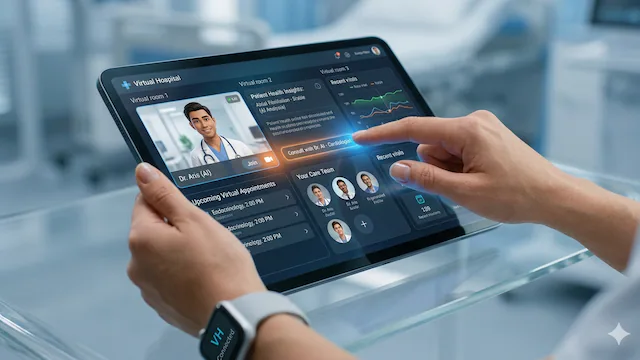
The service operates through two main models. One connects patients visiting public health facilities with doctors at remote medical hubs, while the other allows individuals to consult healthcare professionals directly from home.
By enabling remote communication between patients and medical practitioners, the platform can help people obtain medical advice without always travelling to larger hospitals. It is particularly relevant in regions where specialist services are difficult to access because of distance, terrain or limited healthcare infrastructure.
The service complements in-person treatment rather than replacing the need for physical examinations or emergency care when these are necessary.
Remote Consultations Help Patients in Difficult-to-Reach Regions
During his address, Modi described several cases from different parts of India in which e-Sanjeevani helped patients receive medical attention.
On Baratang Island in the Andaman and Nicobar Islands, a child from the Jarawa tribe named Oho-Tahane developed a high fever and breathing difficulties. Local health workers used the platform to consult an expert doctor. The child was diagnosed with pneumonia, and his condition improved after receiving specialist care.
In Kalpeni, Lakshadweep, a 60-year-old man named Kunhi Koya suddenly fell ill. A doctor based in Kavaratti provided guidance to the local medical team through a remote consultation, helping them manage his condition.
Another case involved Kunjang Dolma in Zanskar, Ladakh, who experienced complications during pregnancy. A specialist provided assistance through the platform.
In Peren, Nagaland, a 12-year-old boy named Mushem suffered from an ear infection and fever. The remote consultation helped doctors assess his condition and recommend appropriate medication.
These examples demonstrate how digital consultations can connect frontline healthcare workers with expertise that may not be readily available in their immediate surroundings.
Ayushman Arogya Mandirs Strengthen Primary Healthcare
Modi also highlighted the role of nearly 1.90 lakh Ayushman Arogya Mandirs across the country. These centres are intended to bring primary healthcare services closer to communities, including people living in rural areas.
The centres support basic healthcare services and health check-ups at the local level. Their connection with telemedicine can help healthcare workers seek additional medical guidance when required.
Together, the expansion of local health facilities and remote consultations can support earlier medical intervention and improve continuity of care.
Technology Supports a Wider Healthcare Network
The milestone reflects the growing role of digital infrastructure in India's public healthcare system. Official figures recorded more than 50 crore consultations across all 36 states and Union Territories by September 15, 2026.
The platform has continued to expand its network of health facilities and registered healthcare providers. It has also introduced technology-based tools intended to support clinical decision-making and strengthen connections between different levels of healthcare.
However, the long-term effectiveness of telemedicine depends on reliable connectivity, trained personnel, accurate clinical assessment and appropriate follow-up care. Protecting patient information and ensuring that remote consultations lead to suitable treatment are also essential.
Expanding Access to Healthcare Across India
The achievement highlights how digital services can help overcome some of the barriers faced by patients in remote communities. For people who live far from specialist hospitals, the ability to consult a doctor remotely can reduce travel and make medical guidance easier to obtain.
As e-Sanjeevani continues to develop, its combination with primary healthcare facilities could help strengthen access to medical advice and support preventive care.
The next challenge will be to ensure that the growing number of consultations translates into reliable treatment, better patient experiences and more equitable access to quality healthcare throughout the country.