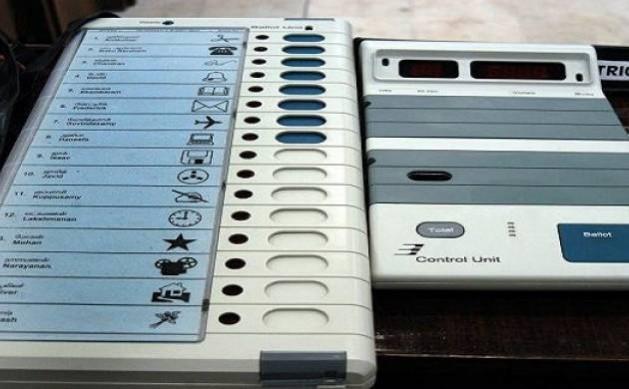
Electronic voting machines (EVMs) remain at the centre of a wider debate over election transparency, technological security and public confidence. In India, where EVMs are used extensively in parliamentary and state elections, critics have repeatedly called for a return to paper ballots. The experiences of several European countries have added another dimension to the discussion, although claims that France, Germany, the Netherlands and the United States have all banned electronic voting machines require closer examination.
The central issue is not simply whether voting technology should be electronic or paper-based. It is whether the system allows voters, election officials and independent observers to verify results reliably.
Why Germany Abandoned Certain Electronic Voting Machines
Germany provides one of the most frequently cited examples in the EVM debate. Electronic voting machines manufactured by the Dutch company Nedap were used in some German elections before a landmark ruling by the Federal Constitutional Court in 2009.
The court found that the machines did not meet constitutional requirements because essential stages of the electoral process could not be adequately examined by ordinary citizens without specialist technical knowledge. The ruling emphasised the principle that elections must remain publicly verifiable.
Importantly, the judgment did not establish that every form of electronic voting was inherently unconstitutional. Instead, it focused on whether the voting and counting process could be independently checked in accordance with Germany's constitutional principles.
Why the Netherlands Discontinued Its Voting Machines
The Netherlands also moved away from electronic voting machines following concerns about their security, oversight and transparency. The country had used machines for several years before reviews highlighted shortcomings in testing procedures, public access to technical assessments and the government's ability to independently supervise the technology.
Concerns about whether machines could be manipulated and whether election authorities had sufficient control over suppliers contributed to the decision to return to paper ballots for national elections in 2007.
These developments strengthened arguments that voting systems should not depend solely on confidence in technology manufacturers. Independent testing, transparent procedures and clear accountability are essential components of a credible electoral process.
Is Electronic Voting Banned Across France and the United States?
The situation in France and the United States is more complicated than a blanket ban.
France has used electronic voting machines in some local elections, but their deployment has been limited. Restrictions and decisions not to expand their use have reflected concerns about security, cost and the reliability of the voting process. This does not mean that all electronic voting technology has been universally prohibited in the country.
The United States, meanwhile, continues to use electronic voting equipment in many jurisdictions. Voting arrangements vary between states and counties, with systems including electronic ballot-marking devices, direct-recording machines and paper ballots counted using scanners. Some jurisdictions have introduced paper records or strengthened auditing procedures to improve verification.
Consequently, describing the United States as having banned all EVMs is inaccurate. Its experience instead demonstrates how election technology and safeguards can differ substantially between jurisdictions.
How India's EVM System Differs
India's Election Commission maintains that Indian EVMs are standalone devices without external network connectivity. The system also incorporates administrative safeguards covering machine storage, transportation, allocation, testing and counting.
Voter Verifiable Paper Audit Trail (VVPAT) units allow voters to view a printed slip confirming the candidate selected. These slips provide a paper-based verification mechanism, although the procedures for checking and counting them remain important parts of the transparency debate.
The Election Commission says Indian machines undergo technical checks and that election procedures involve political-party representatives and other stakeholders.
Should India Reconsider Its Voting System?
International experience suggests that no voting method should be judged solely by whether it uses electronics or paper. The more important questions concern verifiability, independent oversight, security testing and public trust.
India's electoral system operates on a much larger scale than those of many countries, making practical considerations significant. However, maintaining confidence requires clear explanations of safeguards, transparent auditing procedures and credible responses to legitimate concerns.
Rather than drawing a direct comparison with foreign bans, India can assess whether its existing arrangements provide sufficient opportunities to independently verify election results. A voting system earns public confidence when its accuracy can be demonstrated through transparent and dependable procedures.