The All India Kisan Sabha (AIKS) has warned the central government of strong resistance from farmers if it proceeds with the proposed trade agreement between India and the United States. The organisation says potential concessions to American agricultural products could put Indian farmers under greater economic pressure and threaten livelihoods across several farming sectors.
In a statement issued on October 21, the farmers’ organisation urged the government to reject the proposed agreement, arguing that domestic producers could struggle to compete with heavily subsidised American agricultural businesses. It also called on its local units to prepare for a sustained campaign against the deal.
Soybean and Dairy Farmers at the Centre of Concerns
The organisation has raised particular concerns about the potential impact on soybean growers and the dairy sector. It identified Maharashtra, Madhya Pradesh, Rajasthan, Gujarat and Karnataka among the states whose soybean farmers could face increased competition if trade barriers are reduced.
According to the organisation, American producers benefit from substantial subsidies that could allow imported agricultural products to compete aggressively with Indian produce. Greater access for US goods, it argues, could put pressure on domestic prices and reduce farmers’ earnings.
Dairy market access has also emerged as a significant issue in the ongoing negotiations. The farmers’ group warned that allowing greater entry of American milk products could affect domestic procurement prices and the incomes of rural households dependent on dairy farming.
The potential consequences extend beyond soybean and milk production. The organisation has also expressed concern about maize and sorghum growers, cotton producers, and farmers cultivating almonds, walnuts and apples.
It argues that concessions across these sectors could expose domestic producers to stronger international competition while increasing the influence of large commercial businesses over Indian agriculture.
Import Duty Changes Add to Farmers’ Concerns
The farmers’ organisation has also criticised the government’s September decision to reduce the basic import duty on crude soybean oil and palm oil from 10 per cent to 5 per cent, alongside reductions in duties on refined oils.
It contends that lowering import duties could increase the availability of cheaper foreign edible oils and place additional pressure on domestic soybean prices. The timing has become a particular concern because the decision came as farmers were beginning to harvest kharif soybean crops.
For growers already dealing with production costs and uncertain market returns, any decline in prices could affect their earnings. The organisation has therefore linked its objections to the proposed trade agreement with wider concerns about agricultural import policy.
Trade Negotiations Near a Critical Stage
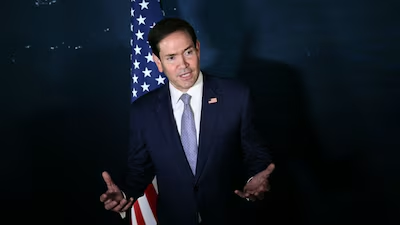
The warning comes as India and the United States continue efforts to finalise a bilateral trade agreement. US Secretary of State Marco Rubio has indicated that the negotiations are close to completion, while Commerce and Industry Minister Piyush Goyal has said the agreement has reached the final stage of legal drafting.
However, the precise terms governing agricultural and dairy market access remain important to the debate. The farmers’ organisation has alleged that Parliament has not received sufficient information about the proposed agreement and has questioned whether the interests of domestic producers are being adequately protected.
The final provisions will determine the extent to which American agricultural products could gain access to the Indian market and whether existing protections for domestic sectors will remain in place.
Farmers’ Organisations Prepare for Further Mobilisation
AIKS has called on its members and affiliated units to prepare for a prolonged campaign if the government moves forward with an agreement that it considers harmful to farmers.
The organisation has also urged farmers to participate in a Samyukt Kisan Morcha march scheduled in Delhi for October 23, which is being organised over separate concerns related to electoral processes.
The dispute highlights the challenge of balancing international trade ambitions with the interests of domestic agriculture. While a trade agreement could create opportunities in some sectors, its impact on farming communities will depend heavily on the final terms, particularly those covering dairy, edible oils and other agricultural products.
For farmers’ groups, transparency in negotiations and safeguards for domestic producers remain central demands as discussions between the two countries approach a decisive stage.