US Secretary of State Marco Rubio has declined to comment on allegations concerning the Indian authorities’ handling of recent protests, describing the issue as a domestic political matter that should be resolved by the people of India. His remarks came as questions over police action against demonstrators triggered a wider exchange between India and United Nations human rights experts.
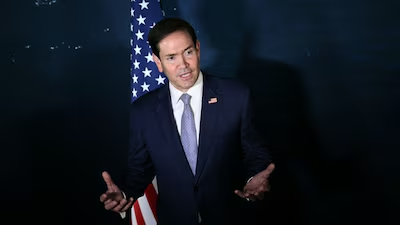
Speaking to reporters on October 21, Rubio questioned the credibility of the term “UN experts” while responding to concerns about the treatment of opposition supporters and students who participated in demonstrations in India. He made clear that Washington would not take a position on the country’s internal political dispute.
Rubio Says India’s Political Issues Should Be Decided Domestically
Rubio emphasised that India has an electoral system and democratic institutions through which its political disagreements can be addressed. He said the United States would not interfere in India’s domestic political affairs.
He also described public demonstrations and the expression of differing political opinions as features of democratic societies. At the same time, he distinguished peaceful protests from violent unrest involving vandalism, arson and damage to property.
His response stopped short of endorsing the Indian government’s handling of the demonstrations. Instead, he maintained that decisions concerning domestic political disputes should be left to the country’s citizens.
Rubio’s comments came amid growing international attention surrounding protests linked to demands for the resignation of Chief Election Commissioner Gyanesh Kumar.
United Nations Experts Raise Concerns Over Police Action
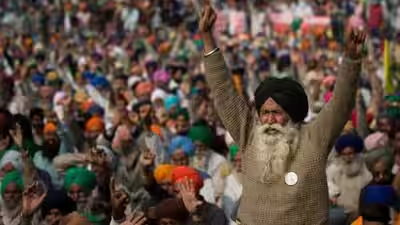
The remarks followed concerns raised by a group of independent United Nations human rights experts over the response to recent demonstrations. The experts called for an independent investigation into allegations of excessive force and the treatment of protesters.
They cited reports of baton charges against demonstrators, preventive detentions and restrictions that allegedly prevented thousands of people from participating in the gatherings. Their concerns also included the reported use of digital surveillance technologies and restrictions affecting peaceful assembly.
The demonstrations were organised by opposition political groups and student organisations protesting against revisions to electoral rolls. Protesters have alleged that the changes could exclude eligible voters and unfairly benefit the ruling Bharatiya Janata Party.
India’s Election Commission has maintained that the revision process is intended to remove duplicate, deceased, relocated and otherwise ineligible entries. It has also pointed to procedures through which individuals can challenge omissions from voter lists.
The allegations surrounding the protests and electoral revisions remain contested by the parties involved.
India Rejects Allegations of Selective Human Rights Scrutiny
Indian officials have strongly opposed the criticism, arguing that allegations based on incomplete information should not be used to portray the country negatively.
Addressing the issue at the United Nations, Indian diplomat Barkha Tamrakar defended the country’s constitutional framework and highlighted protections for human rights and due process. She argued that international human rights discussions should be impartial and supported by reliable evidence.
India also objected to what it described as selective scrutiny of individual countries, maintaining that human rights should not become a means of applying political pressure.
The government has previously stated that the right to peaceful assembly is protected under the Constitution, subject to lawful restrictions necessary to maintain public order and safety. It has also maintained that law enforcement authorities acted in accordance with the law.
Debate Over Protests and Democratic Rights Continues
The exchange highlights the differing positions taken by Indian authorities and international human rights experts over the handling of demonstrations.
While the UN experts have called for greater accountability and an independent examination of the allegations, India has rejected their characterisation of the events. Rubio, meanwhile, has avoided taking a position on the dispute and stressed that India’s political questions are for its citizens to navigate.
The broader debate centres on balancing public order with the right to peaceful protest, freedom of expression and access to democratic processes. The way authorities address these competing concerns is likely to remain under scrutiny as disagreements over electoral reforms and the treatment of demonstrators continue.