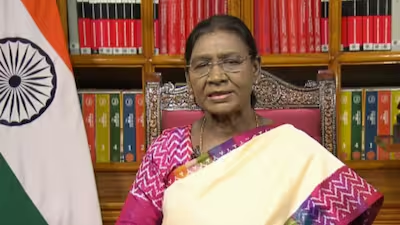
Gandhinagar, October 3, 2026: Gujarat has moved a step closer to introducing a Uniform Civil Code (UCC) after President Droupadi Murmu granted assent to the Gujarat Uniform Civil Code Bill, 2026. The legislation aims to establish a common legal framework for personal matters such as marriage, divorce, inheritance and live-in relationships.
The Bill was passed by the Gujarat Assembly on March 24 following an extended debate. The President gave her assent on September 17, and the law was published in the state’s extraordinary Gazette on October 1. However, it will not come into force immediately. The state government must first issue a separate notification specifying its commencement date and the arrangements for implementation.
With this development, Gujarat becomes the second state after Uttarakhand to secure approval for a state-level UCC framework.
What the Gujarat UCC Covers
The legislation seeks to bring personal civil matters under a common set of statutory rules, regardless of religion. Its provisions cover marriage, divorce, succession, adoption and certain aspects of live-in relationships.
Marriage registration will become a key requirement under the new framework. The law sets the minimum marriage age at 21 for men and 18 for women, while allowing religious ceremonies to continue subject to the statutory conditions and registration requirements.
The legislation also prohibits a person from entering into another marriage while their existing spouse is alive. Supporters say a common registration system can provide clearer records of marital status and help address disputes involving family rights.
Rules on Live-In Relationships and Inheritance
The Bill introduces a formal process for registering live-in relationships. Couples covered by the law will be required to submit a joint statement to the designated Registrar, while the end of such a relationship must also be reported through the prescribed procedure.
The law also addresses the rights of children born from live-in relationships. It provides legal recognition to such children and sets out protections concerning their family rights.
Inheritance is another major area covered by the legislation. The framework provides common rules for succession when a person dies without leaving a will, recognising the rights of spouses, children and parents. It also provides for equal inheritance rights for sons and daughters under the specified provisions.
The law includes common provisions relating to divorce and matrimonial disputes, including mediation in certain cases before parties approach a court.
Tribal Communities Excluded
The legislation does not apply to everyone without exception. Scheduled Tribes, as defined under the Constitution, and certain groups whose customary rights are protected under Part XXI have been excluded from its scope.
This exemption has been a subject of discussion during the legislative process, particularly regarding how customary practices will be treated and how the law will apply in cases involving different communities.
Political Debate Surrounding the Bill
The legislation has received support from the state government, which has described the UCC as a step towards equal treatment under civil law. Chief Minister Bhupendra Patel has said the framework is intended to ensure equal rights and avoid discrimination.
Opposition parties, however, raised concerns during the Assembly debate. Critics questioned the need for the legislation and its timing, while also seeking greater clarity on its impact on different communities, including tribal groups.
These differing positions reflect the broader national debate over the implementation of a Uniform Civil Code.
Implementation Depends on State Notification
The President’s assent completes an important stage in the lawmaking process, but practical implementation will depend on the state government’s next steps. Rules, administrative procedures and the appointment of designated authorities will be important for putting the framework into operation.
The Gujarat government will need to communicate how registration, reporting and other legal requirements will work in practice. Until the commencement notification is issued, the new provisions are not yet in force.
The coming months will therefore be significant in determining how Gujarat’s UCC is implemented and how its provisions affect residents across the state.