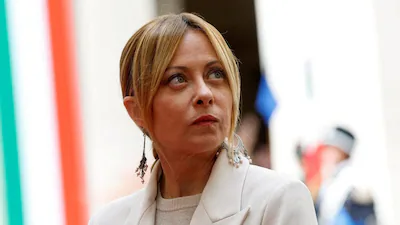
Italian Prime Minister Giorgia Meloni’s government has approved a new package of security measures aimed at curbing violent demonstrations, strengthening penalties for rioting and making parents financially responsible for property damage caused by their minor children.
The measures were approved on October 20, 2026, following violent unrest in Milan and other parts of northern Italy. The government has argued that peaceful demonstrations are a democratic right, but violence, looting and destruction of public or private property must carry legal consequences.
The new decree introduces a specific offence related to violent participation in demonstrations, expands certain enforcement powers involving minors and provides mechanisms for recovering the cost of damage caused during disturbances.
Parents Could Face Bills for Damage Caused by Their Children
One of the most significant changes concerns financial liability for parents when their minor children damage property during unrest.
Under the announced measures, compensation can be sought for damage to public infrastructure, including traffic signals, bus shelters and police vehicles. In cases involving private property, such as shops, windows and cars, affected owners can seek recovery through the courts.
The government says the policy is intended to ensure that those responsible for damage cannot avoid its financial consequences simply because they are under 18.
The provisions have also raised questions about how responsibility will be established in individual cases and how families can challenge claims they believe are incorrect. The precise application of the rules will depend on the legal procedures governing each claim.
Violent Participation in Demonstrations Becomes a Separate Offence
The decree introduces a new criminal offence targeting violent conduct during demonstrations. Under the announced provisions, people who participate in a group of five or more and use dangerous objects, such as stones, sticks or fireworks, to threaten public safety could face imprisonment of up to five years and fines of up to €20,000.
Penalties can increase in circumstances involving concealed faces or injuries to other people. The government has also approved tougher consequences for certain acts of destruction and looting committed collectively.
The measures are intended to distinguish peaceful assembly from conduct that endangers demonstrators, police officers, businesses and members of the public.
Meloni has maintained that economic hardship, political opposition and social grievances do not justify destroying property or stealing from businesses.
Police Powers Involving Minors to Be Expanded
The new package also changes how authorities can deal with young people considered a potential threat to public order.
Preventive detention powers are being extended to minors aged 14 to 17 under specified conditions. The decree also changes the approach to assessing whether young people aged 14 to 18 understood their actions, introducing a presumption of capacity unless evidence establishes otherwise.
These provisions are intended to make intervention easier when authorities believe that serious disorder may occur. However, they also raise questions about safeguards for young people, the role of judicial oversight and the protection of individual rights.
The government has announced plans to strengthen the juvenile justice system, including additional judicial resources and expanded detention capacity.
Milan Unrest Prompts Government Response
The measures follow weekend disturbances in Milan, where demonstrations initially connected to opposition to war and rising living costs escalated into violence. Some participants clashed with police, while businesses were looted and property was damaged.
Authorities reported injuries among police officers and detained dozens of people, including minors. The unrest intensified pressure on the government to respond to public disorder while addressing wider concerns about safety in major cities.
The government has also announced plans to deploy 500 additional military personnel in Milan through the end of 2026 to support security operations.
Decree Faces Further Parliamentary Scrutiny
Although the measures have received government approval and entered into effect through the decree process, the package must be converted into law by Parliament within 60 days.
The coming weeks will therefore be important in determining whether lawmakers retain the provisions unchanged or introduce amendments.
Supporters argue that stronger penalties and financial accountability could discourage vandalism and protect communities. Critics, however, have raised concerns about the potential effects of stricter enforcement on civil liberties, peaceful demonstrations and the rights of minors.
The central challenge for Italy will be implementing the new rules while maintaining the distinction between legitimate public protest and criminal conduct.