Pakistan has appointed 17 non-career ambassadors and high commissioners to diplomatic missions overseas, including nine retired senior military officers, prompting fresh questions about how the country selects its representatives abroad and the growing role of former military personnel in diplomatic affairs.
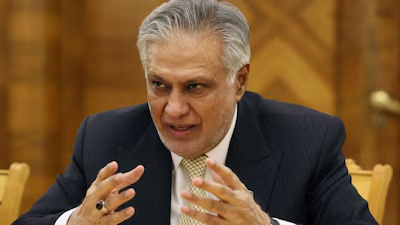
The appointments were disclosed by Deputy Prime Minister and Foreign Minister Ishaq Dar in Pakistan’s Senate. The information has renewed debate over the balance between professional diplomats and individuals appointed through contractual or non-traditional routes.
Ambassadors and high commissioners play a central role in representing their country, managing bilateral relations, negotiating agreements and advancing national interests. The background and experience of these representatives can therefore influence how a country conducts its foreign policy.
Retired Military Officers Form a Significant Group
Among the 17 non-career diplomatic appointees, nine are retired senior military officers, including former army generals and senior personnel from other branches of the armed forces.
Their assignments span diplomatic missions in different regions, including the Middle East, Africa, Europe and Asia. The appointments have drawn attention because military experience, while potentially relevant to security diplomacy, differs from the specialised training and institutional experience generally associated with a professional foreign service.
The disclosure has also prompted questions about the criteria used to select ambassadors and high commissioners who do not come through the regular diplomatic career pathway.
The appointments do not, by themselves, establish that military personnel control Pakistan’s foreign policy. However, the number of former officers in the group has intensified discussion about the relationship between the country’s civilian diplomatic institutions and its powerful military establishment.
Career Diplomats Face Questions Over Their Role
Pakistan’s Foreign Service provides a structured career path for diplomats who handle international relations, consular affairs, negotiations and overseas assignments. Career officers typically develop expertise through specialised training and experience across multiple postings.
Non-career appointments offer the government another route for selecting representatives, potentially bringing in individuals with experience in security, politics, administration or other fields.
The key question is how these appointments are distributed and whether selection procedures provide clear, consistent standards for professional qualifications and diplomatic experience.
Critics of non-career appointments often argue that frequent reliance on political or external appointments can limit opportunities for experienced career officers. Supporters may contend that governments need flexibility to select representatives with specialised expertise or trusted relationships.
The latest disclosure has brought these competing considerations back into focus, particularly given the substantial representation of retired military personnel among Pakistan’s non-career envoys.
Military and Civilian Institutions Shape Foreign Policy
Pakistan’s military has historically played an influential role in the country’s security and strategic decision-making. Relations with neighbouring countries, counterterrorism, regional stability and ties with major international powers have all contributed to the military’s prominent position in national affairs.
Diplomatic missions frequently address these same issues, particularly in countries where defence cooperation, intelligence coordination or regional security are important parts of bilateral relations.
Former military officers may therefore bring relevant experience to particular postings. At the same time, diplomacy also requires expertise in trade, international law, economic cooperation, cultural relations and multilateral negotiations.
The debate is consequently not limited to the professional backgrounds of individual ambassadors. It also concerns institutional transparency, the division of responsibilities and the development of a strong diplomatic service.
Transparency Remains Central to the Debate
The parliamentary disclosure provides a clearer picture of the number of non-career representatives and the presence of retired military officers among them. However, the figures alone do not explain the selection process, the individual qualifications of each appointee or the performance of particular diplomatic missions.
Those questions would require closer examination of appointment criteria, contractual arrangements and the responsibilities assigned to each envoy.
As Pakistan manages relationships with regional neighbours and international partners, the composition of its diplomatic corps is likely to remain a subject of public interest.
The latest figures have placed renewed attention on how Islamabad balances specialised expertise, government discretion and professional diplomatic experience when choosing representatives to serve abroad.