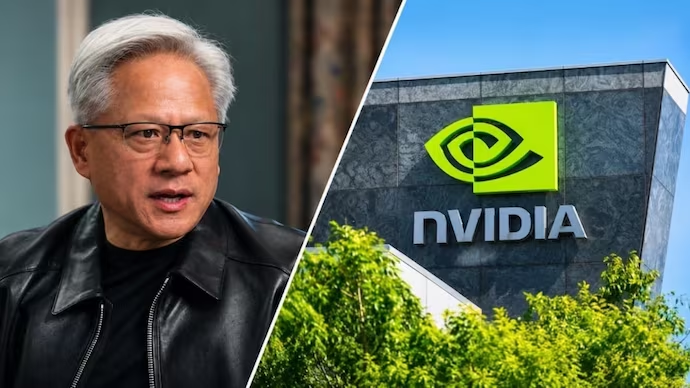
Jensen Huang, the former chief executive of Nvidia, has indicated that he is willing to return to the helm of the artificial intelligence chipmaker if the company’s board of directors believes his reinstatement would serve its best interests. His first public statement since stepping down has reignited debate over the future leadership of one of the world’s most influential technology companies.
Huang resigned on November 12, 2026, following controversy surrounding his personal conduct and concerns that prompted an independent investigation by the company’s board. In his statement on November 17, he acknowledged making serious mistakes in his personal life and expressed regret over the difficulties his actions had created for Nvidia’s leadership.
The 63-year-old executive also said he was committed to cooperating fully with the board’s investigation, while leaving the final decision about his possible return to the directors.
Huang Acknowledges Mistakes and Offers to Return
In his statement, Huang said he had received an overwhelming show of support from friends, industry colleagues and people who had reached out to him and his family.
He acknowledged that he had failed to meet the standards expected of Nvidia employees and accepted responsibility for the problems his personal decisions had caused the board.
Huang also said employees, investors, business partners and customers had contacted him since his departure, urging him to return to the company. He described Nvidia as a once-in-a-generation business operating in an increasingly complicated technological, commercial and geopolitical environment.
He made clear, however, that his return would depend on the board’s assessment of what was best for shareholders, employees, the company and the United States.
The statement did not announce any formal move to reinstate him. Instead, it placed the decision firmly in the hands of Nvidia’s directors.
Controversy Surrounding His Departure
Huang’s resignation followed reports of alleged extramarital relationships, including one involving a woman suspected by US authorities of having links to Chinese intelligence. These allegations have intensified scrutiny of the company and raised questions about potential national security implications.
The claims remain subject to investigation, and allegations of intelligence links should not be treated as established findings.
Huang’s departure has also drawn attention to Nvidia’s business dealings involving China, particularly the export of advanced artificial intelligence chips. US lawmakers have expressed concerns about whether restricted technology could reach Chinese entities through unauthorised channels.
The board’s independent investigation is expected to examine issues relevant to the controversy. Huang has pledged to cooperate with that process.
US Lawmakers Prepare to Question Huang
The controversy has extended beyond Nvidia’s corporate leadership. Several US congressional committees have arranged to question Huang about possible national security concerns involving the company and access to its advanced chips.
According to reports, Huang is scheduled to participate in a transcribed interview on December 1. Nvidia General Counsel Tim Teter is expected to appear before the committees on December 2.
The committees involved include the House Foreign Affairs Committee, the Select Committee on the Chinese Communist Party and the House Intelligence Committee.
Lawmakers have indicated that they want answers about Nvidia’s role in preventing sensitive technology from reaching potentially restricted Chinese actors, as well as questions arising from the wider controversy.
The interviews could add further pressure on the company as it works to address regulatory concerns and restore confidence among investors and business partners.
Nvidia Faces Uncertainty Over Its Leadership
Following Huang’s departure, Nvidia placed Chief Financial Officer Colette Kress in an interim leadership role while the company considers its next steps.
Although Huang’s statement may encourage supporters who want him reinstated, a return is far from certain. Reports indicate that the board was not considering bringing him back at the time of his announcement.
The company must also contend with broader questions surrounding export controls, international competition and the commercial risks associated with the global AI industry.
Huang’s leadership played a major role in transforming Nvidia into a dominant supplier of processors used to train and operate advanced AI systems. His possible return could therefore have implications for employees, investors and the wider technology sector.
For now, the former chief executive has expressed his willingness to resume the role, but any comeback will depend on the board’s decision and the outcome of the ongoing investigation.