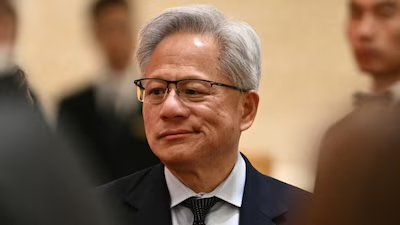
Nvidia co-founder Jensen Huang’s possible return as chief executive has sparked debate across Silicon Valley, with supporters urging the chipmaking giant to reconsider its leadership transition. However, the company’s board is reportedly concentrating on an investigation into Huang’s conduct and the search for a permanent successor, leaving his prospects of returning uncertain.
The leadership turmoil follows Huang’s resignation in November 2026 after 33 years at the helm of the company he helped build into a global powerhouse in artificial intelligence computing. Nvidia has appointed Chief Financial Officer Colette Kress as interim CEO while directors consider candidates from inside and outside the organisation.
The dispute has become more than a question of corporate succession. Nvidia’s position at the centre of the global AI industry means that uncertainty over its leadership could have implications for investors, technology companies and the wider semiconductor sector.
Supporters Push for Huang’s Return
Efforts to bring Huang back have gained momentum among some technology executives, investors and company supporters. Reports indicate that people close to the former CEO have discussed ways to build support for his reinstatement, including approaching influential figures in the technology industry and the US administration.
Some investors have also urged Nvidia’s board to avoid rushing into a permanent appointment. In a letter reported over the weekend, investment firms Altimeter Capital and Atreides Management called for a deliberate leadership process that would leave open the possibility of Huang returning once the facts surrounding the controversy become clearer.
Supporters argue that Huang’s decades of experience, technical vision and close relationships with major customers have been central to Nvidia’s success. Under his leadership, the company became a leading supplier of advanced processors used to train and operate artificial intelligence systems.
Yet support from investors or industry figures does not guarantee a comeback. The final decision rests with Nvidia’s board, which must weigh the company’s long-term interests and the findings of its investigation.
Nvidia Board Reportedly Rules Out Immediate Reinstatement
Despite the growing campaign for Huang’s return, the latest reports suggest that Nvidia’s board is not considering reinstating him at this stage. Directors are reportedly focused on an independent investigation into whether the circumstances surrounding his departure created risks for the company or raised concerns involving US national security.
The investigation has drawn attention to reports concerning Huang’s personal relationships, including allegations involving a woman whom US intelligence officials reportedly suspect of having links to Chinese intelligence. These allegations have not been established as proven wrongdoing, and China has denied the espionage claims. Questions have also emerged over whether Nvidia’s business relationships and chip exports could have been exposed to additional scrutiny.
The board’s priority appears to be establishing the facts before making decisions about the company’s long-term leadership. That position could complicate efforts by Huang’s supporters to secure a quick reversal of his resignation.
Donald Trump Signals Support for a Comeback
US President Donald Trump has added political weight to the debate by saying he would welcome Huang’s return to the company. Trump said he believed the former CEO had learned a lesson and acknowledged that many people wanted him back in charge.
Investing.com Canada
Trump’s comments followed reports that Huang’s supporters were seeking backing from influential figures in Washington. However, presidential support cannot determine Nvidia’s leadership on its own. The company’s directors retain responsibility for selecting its chief executive.
The controversy also comes amid heightened scrutiny of advanced semiconductor exports to China, making the outcome of the investigation significant beyond Nvidia’s internal management.
Colette Kress Leads Nvidia During the Transition
In the meantime, Colette Kress is overseeing Nvidia as interim CEO while continuing her responsibilities as chief financial officer. She has held the finance role since 2013 and has played a key part in managing the company’s finances during a period of rapid growth.
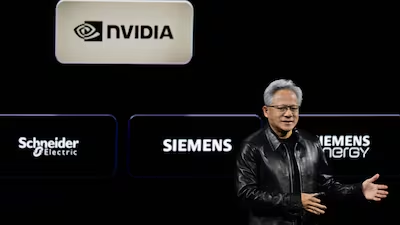
Nvidia has said that its operations, customer commitments and product roadmap are expected to continue without interruption under the interim leadership team. The company is also preparing to report its third-quarter fiscal 2027 results on November 17, a closely watched event for investors assessing demand for AI computing infrastructure.
NVIDIA Newsroom
The leadership uncertainty nevertheless raises questions about succession planning at a company whose founder has played a central role in its strategy, technology vision and relationships with customers.
Huang’s Return Remains Uncertain
For now, Nvidia faces competing pressures: calls from supporters to reconsider Huang’s departure, the need to complete its investigation and the responsibility to maintain confidence among employees, customers and shareholders.
A return would require the board’s backing, while a decision to appoint a permanent successor would signal that the company intends to move forward without its longtime leader.
Until the investigation progresses and directors clarify their position, Huang’s comeback remains a possibility discussed by supporters rather than an agreed corporate decision. Nvidia’s next steps will be closely watched across the technology industry, where the company’s leadership and AI-chip strategy have consequences for businesses around the world.