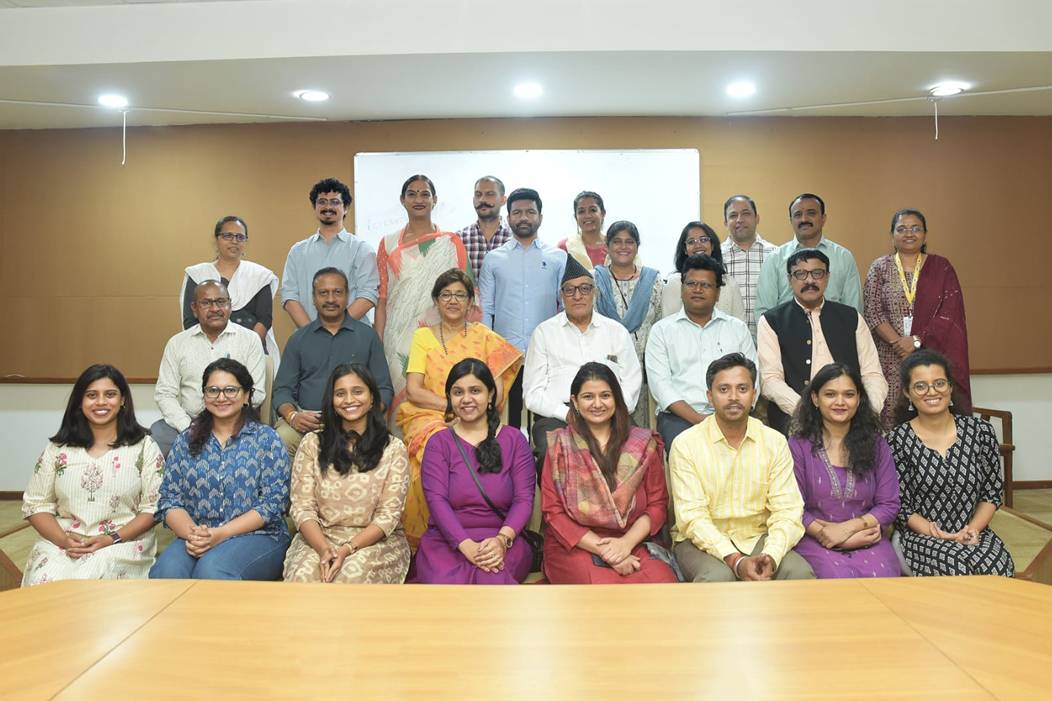
Pune, (Maharashtra) [India]: In a significant step toward strengthening urban mental health governance, the first official meeting for the launch of the Pune City Chapter of the Policymakers’ Forum on Mental Health was recently convened at the ILS Conference Room, ILS Law College.
The initiative, organised by the Centre for Mental Health Law & Policy (CMHLP) and ETI Services, aims to create a city-led framework for coordinated mental health action involving policymakers, public institutions, healthcare experts, educational stakeholders, and civil society organizations.
The meeting marked an important milestone in Pune’s efforts to position itself as a model city for integrated mental health planning and suicide prevention initiatives.
Senior Civic and Policy Leaders Participate in Key Convening
The session was conducted under the guidance of Vandana Chavan, who welcomed government officials, municipal leadership, public health stakeholders, and civil society representatives attending the discussion.
The convening also witnessed participation from:
Naval Kishore
Shrinath Bhimale
Sanjiv Wavare
Mohan Agashe
alongside researchers, healthcare experts, educators, and representatives from civil society.
The event included a policy and data presentation by:
Arjun Kapoor
Sukriti Chauhan
focusing on mental health policy frameworks, suicide prevention challenges, and city-level implementation strategies.
Mental Health Emerging as a Major Urban Governance Priority
The discussions highlighted how mental health is increasingly becoming a critical public policy concern across Indian cities, particularly among:
Young populations
Students
Working professionals
Vulnerable communities
Experts noted that urban stress, academic pressure, social isolation, and rapidly changing social environments are contributing to rising mental health challenges nationwide.
The Pune City Chapter aims to create a coordinated ecosystem that integrates mental health support into:
Public health systems
Educational institutions
Municipal governance
Community-level interventions
PMC Leadership Highlights Commitment Toward Mental Health
Addressing the gathering, Naval Kishore, Municipal Commissioner of Pune Municipal Corporation, emphasized the importance of building supportive social ecosystems alongside healthcare infrastructure.
He stated that mental health cannot remain limited only to hospitals and medical institutions, adding that the Pune Municipal Corporation is committed to strengthening support systems both within and beyond traditional healthcare settings.
Industry observers believe city-level governance participation is becoming increasingly important in addressing mental health challenges through localized interventions and institutional coordination.
Focus on Youth Mental Health and Suicide Prevention
One of the major areas of discussion involved youth mental health and suicide prevention.
According to experts present at the event, educational cities like Pune face unique mental health pressures due to:
Large student populations
Academic competition
Migration-related social challenges
Employment uncertainties
Chairman of the PMC Standing Committee, Shrinath Bhimale, highlighted civic initiatives such as:
“Pink Rooms” for adolescent girls
Improvements in government healthcare systems
Support for suicide prevention efforts
as part of broader efforts to strengthen emotional wellbeing infrastructure.
Need for Long-Term Mental Health Policy Commitment
Mental health expert Dr. Mohan Agashe stressed the importance of long-term institutional commitment toward mental healthcare systems.
He noted that mental health policy should remain independent of political cycles and emphasized that access to mental healthcare is a fundamental right for every individual.
Experts at the meeting also discussed the importance of:
Policy continuity
Public awareness
Institutional accountability
Long-term educational interventions
for sustainable mental health outcomes.
Pune Positioned as Potential National Model
According to Arjun Kapoor from CMHLP, Pune’s large youth population, educational institutions, and civic engagement ecosystem place the city in a unique position to become a national model for integrated mental health governance.
The Pune Chapter is expected to focus on:
School and college mental health programmes
Community counselling systems
Public awareness campaigns
Cross-sector collaboration
Suicide prevention frameworks
The initiative aims to develop scalable models that could potentially be replicated in other Indian cities.
Mental Health Awareness Expanding Across India
India has witnessed growing public discussion around:
Mental wellbeing
Emotional health
Suicide prevention
Youth stress management
Access to psychological support systems
Healthcare experts believe there is increasing recognition that mental health requires:
Multi-sector collaboration
Policy-level integration
Preventive intervention models
Community-based support systems
rather than isolated medical treatment approaches alone.
Final Verdict
The launch of the Pune City Chapter of the Policymakers’ Forum on Mental Health marks a significant step toward institutionalizing mental health governance at the city level.
By bringing together policymakers, healthcare experts, educators, civic leaders, and civil society stakeholders, Pune is positioning itself at the forefront of integrated mental health action and youth wellbeing initiatives in India.