The festive spirit of Durga Puja continues in Bengali households even after the celebrations come to an end. Subho Bijoya marks a time for visiting relatives, meeting friends, exchanging greetings and sharing food with loved ones. Alongside sweets, traditional savoury snacks play an important role in making these gatherings warm and memorable.
From crunchy nimki to comforting ghugni, Bengali snack plates bring together familiar flavours that have been enjoyed across generations. Whether families prepare food at home or arrange a selection from local shops, these seven traditional favourites can help create a welcoming spread for Bijoya guests.
1. Nimki: A Crunchy Bengali Favourite
Nimki is one of the most recognisable snacks served during Bijoya visits. Made with flour, oil or ghee, salt and spices such as nigella seeds, the dough is rolled, cut into small shapes and fried until crisp.
Its mildly savoury taste makes nimki a natural companion to sweets such as rosogolla and sandesh. It can also be served with tea during afternoon visits.
Since nimki keeps well when stored in an airtight container, it is a convenient option for households expecting several guests throughout the festive period.
2. Ghugni: A Warm and Spiced Pea Curry
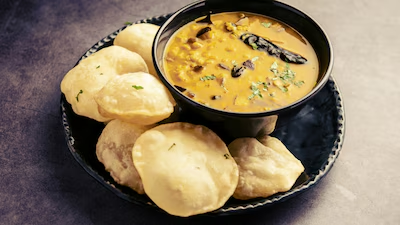
Ghugni is a popular Bengali preparation made with dried yellow peas or white peas cooked with spices. Depending on the household, the recipe may include potatoes, tomatoes, ginger and other seasonings.
The dish is often served warm in small bowls, topped with chopped onions, coriander, green chillies or a squeeze of lemon. Some versions include grated coconut for additional flavour.
Ghugni provides a heartier option alongside lighter snacks and sweets. It can be prepared ahead of time and reheated before guests arrive, making it practical for larger gatherings.
3. Narkel Naru: Sweet Coconut Treats
Narkel naru, or Bengali coconut laddoos, are a familiar feature of festive food traditions. They are generally prepared by cooking grated coconut with jaggery or sugar until the mixture comes together, then shaping it into small round balls.
Jaggery-based versions offer a deeper caramel-like flavour, while sugar-based preparations have a different sweetness and texture.
These coconut treats are especially suitable for Bijoya because they can be made in batches and served alongside savoury snacks. Their simple ingredients and familiar taste make them popular with guests of different ages.
4. Shingara: A Crisp, Stuffed Snack
Shingara, widely known elsewhere in India as samosa, is another welcome addition to a Bengali snack plate. The Bengali version commonly features a crisp pastry shell filled with potatoes, green peas, peanuts and spices.
The triangular snacks are fried until golden and can be served with chutney or enjoyed on their own. Some regional preparations also include seasonal vegetables.
Shingara is best served fresh and warm so that the outer layer remains crisp. For Bijoya gatherings, smaller portions can make it easier to offer alongside several other dishes.
5. Beguni: Fried Brinjal Slices
Beguni is a much-loved Bengali snack made by coating slices of brinjal in a seasoned batter, often using gram flour or refined flour, before frying them.
The result is a crisp exterior with a soft vegetable centre. Beguni is commonly associated with Bengali tea-time snacks and is also enjoyed during festive gatherings.
It pairs well with a cup of tea and provides a savoury alternative to the sweeter items on a traditional Bijoya platter. For the best texture, it should be fried shortly before serving.
6. Koraishutir Kochuri: Pea-Stuffed Fried Bread
Koraishutir kochuri is a traditional Bengali preparation featuring a filling of green peas blended with ginger, green chillies and spices. The mixture is enclosed in dough, rolled into small discs and fried until puffed.
Although it requires more preparation than nimki, the kochuri can make a Bijoya gathering feel more substantial. It is often enjoyed with potato curry or other accompaniments, depending on family traditions.
Its mildly sweet pea filling contrasts nicely with the crisp outer layer, making it a popular choice for special occasions.
7. Telebhaja: A Selection of Bengali Fritters
Telebhaja refers to a broad range of Bengali fried snacks, including piyaji made with onions and beguni made with brinjal. Vegetables are coated in a seasoned batter and fried until crisp.
These snacks are particularly popular during tea-time conversations and can be prepared in manageable batches as guests arrive.
Serving a small selection of telebhaja alongside nimki and ghugni adds variety to the menu without requiring an elaborate spread. Chutney or a simple accompaniment can complete the plate.
Make Your Subho Bijoya Spread Memorable
A traditional Bijoya snack plate does not need to be complicated. Nimki and narkel naru can be prepared in advance, while ghugni can be reheated and fried snacks made fresh when needed.
Combining sweet treats with savoury options helps create a balanced spread for family members, neighbours and friends. Ultimately, the most meaningful part of Subho Bijoya remains the opportunity to reconnect with loved ones, exchange good wishes and continue the warmth of Durga Puja through shared food and conversation.