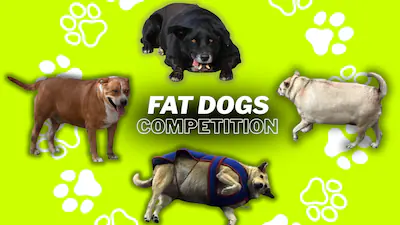
A viral trend celebrating overweight street dogs has sparked a wider debate about animal welfare, responsible feeding and the way social media influences public attitudes towards community animals. While these competitions have attracted widespread attention and brought neighbourhood dog lovers together, concerns are growing that celebrating a dog’s size could distract from its health needs.
The debate gained momentum after an unusual contest featuring 64 dogs in Delhi turned into an online sensation. Supporters rallied behind their favourite animals through social media campaigns, creative posters and public voting. What began as light-hearted entertainment also prompted questions about whether canine obesity should be treated as a reason for celebration.
When Online Popularity Overshadows Animal Health
The appeal of these contests is easy to understand. Community dogs are familiar faces in neighbourhoods, and residents often develop strong emotional connections with them. Giving these animals names, sharing their photographs and supporting them online can encourage people to pay greater attention to their lives.
However, animal welfare advocates caution that a dog’s body weight should not become a measure of popularity. Excess weight can affect a dog’s mobility and overall well-being, particularly when the animal does not receive regular veterinary care.
There is also a concern that the competitive format could unintentionally encourage people to give dogs extra food to make them appear larger. Even when participants have good intentions, feeding animals beyond their nutritional needs can create avoidable health risks.
Community dogs depend heavily on the people who care for them. Their food intake, access to clean water, medical treatment and living conditions can vary considerably. Public attention should therefore encourage responsible care rather than place greater emphasis on physical appearance.
Why Excess Weight Can Be a Health Concern
Obesity in dogs is not simply a cosmetic issue. Carrying excess weight can put additional pressure on joints, make movement more difficult and reduce an animal’s ability to remain active. It may also increase the risk of certain medical conditions, including diabetes and respiratory or cardiovascular complications.
Weight gain can have several causes. Overfeeding and limited physical activity may contribute, but underlying medical conditions, hormonal changes, age and other individual factors can also play a role. It is therefore important not to assume that every overweight dog has gained weight for the same reason.
Veterinary assessment is especially important when a dog’s weight changes noticeably or when it struggles to move comfortably. Appropriate feeding plans and treatment should be based on the animal’s individual needs, rather than on public opinion or competition results.
Can Viral Trends Help Community Animals?
Despite the concerns, online campaigns can offer meaningful benefits when organisers use their reach responsibly. Viral attention can introduce community dogs to wider audiences, encourage people to support animal rescue work and create opportunities to raise funds for treatment and other welfare initiatives.
These campaigns can also help residents recognise that street dogs are part of their neighbourhoods and deserve humane treatment. The challenge is ensuring that entertainment does not overshadow their long-term needs.
Organisers and participants can make a positive difference by sharing accurate information about animal health, discouraging excessive feeding and directing attention towards veterinary care, vaccination, sterilisation and adoption where appropriate.
Responsible Care Should Come Before Competition
The popularity of fat dog contests highlights the internet’s ability to turn an everyday subject into a major public conversation. Yet the attention also creates an opportunity to reconsider how people express affection for animals.
Instead of rewarding dogs for being heavier, communities can celebrate their personalities, support their medical needs and help ensure they have access to suitable food and safe surroundings. People who regularly feed community dogs can consult local veterinarians or animal welfare groups for guidance on responsible feeding practices.
Ultimately, the value of a community dog should not depend on its size or its popularity online. Viral trends can bring people together, but their most meaningful outcome would be greater awareness, compassionate treatment and practical support for animals that rely on human care.