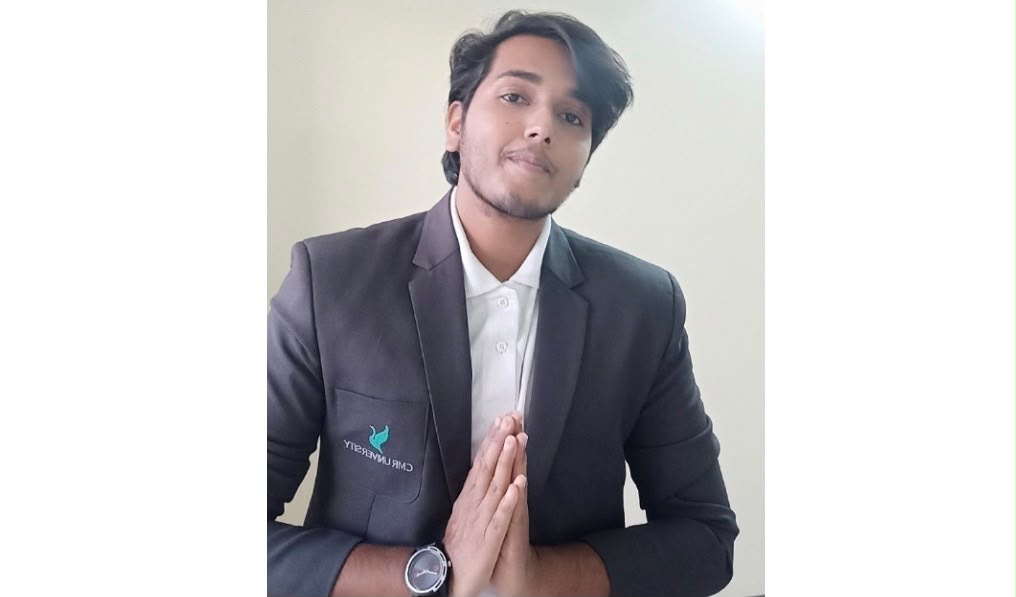
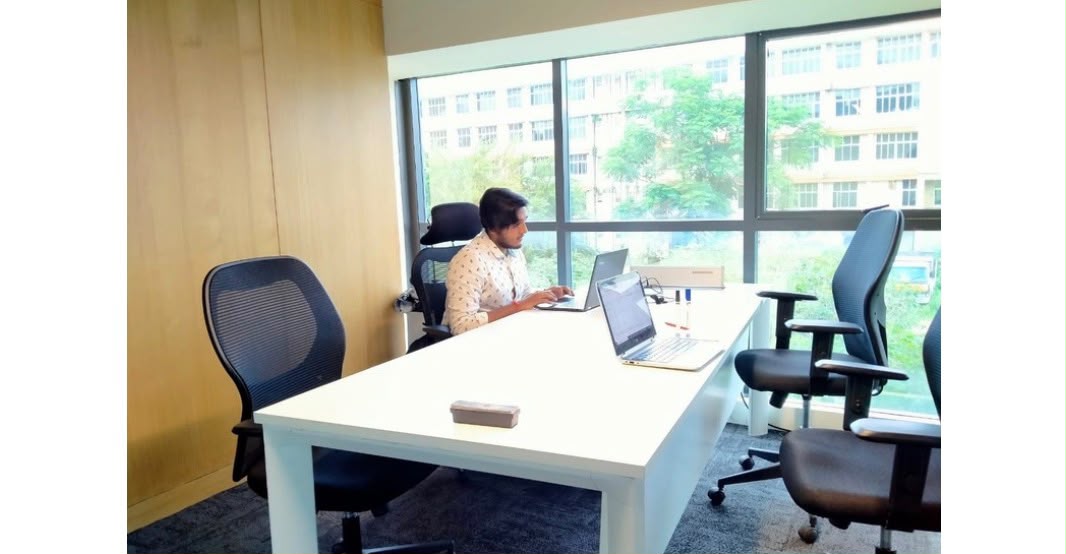
It started with Townified
The first version of the company was called Townified.
The idea was straightforward: make it easier for people to find reliable household help while creating a more structured way for service providers to find work.
The company was incorporated as Townified Private Limited in December 2020, with Suvam Jaiswal and Apurva Vatshya listed as directors.
But incorporation was only the formal beginning.
The real education came from operating the business.
Suvam had to learn what happens after an idea leaves a laptop and enters the real world — how customers behave, how workers respond, where operations break, how trust is built, and how difficult it can be to create consistency in a marketplace involving people.
Townified eventually grew to 112 paying customers during its early journey, generated revenue, and onboarded more than 50 workers.
The numbers mattered.
But the experience mattered more.
Every customer complaint, operational problem, product decision, and difficult conversation became part of Suvam’s education as a founder.
From Townified to SevaQ
As the business evolved, so did the idea.
Townified eventually became SevaQ.
The ambition expanded beyond simply connecting households with helpers. The company was trying to build a more reliable marketplace around everyday household services, with technology sitting underneath the experience.
That meant building the customer product, developing the worker side of the platform, managing operations, acquiring customers, and continuously adapting to what the market was telling the team.
SevaQ became a much larger chapter than Townified had been.
At its peak, the platform served more than 10,000 customers across Bengaluru, Delhi, and Noida.
The company also raised funding, giving the team additional resources to continue building.
From the outside, the trajectory looked like the conventional startup story: idea, product, customers, traction, funding, growth.
But building a company is rarely that linear from the inside.
The bigger a startup becomes, the more complicated the decisions become.
The decision to shut down
The hardest decision came after years of building SevaQ.
By that point, the challenge was no longer simply about customers, technology, or operations.
The people behind the company had started to arrive at different points in their lives and had different views about what the next chapter should look like.
The founders had different perspectives on the future of SevaQ. At the same time, personal commitments and changing circumstances made it increasingly difficult to maintain the same level of alignment and commitment required to build the company together.
That eventually led to a difficult question: what should happen to SevaQ if the founders were no longer able to move forward with the same direction?
There was no single failure that ended the company.
There was no lack of effort.
And there was no overnight collapse.
It was a founder decision.
After years of building the product, serving customers, raising funding, and trying to make the marketplace work, the founders ultimately decided to separate and shut down SevaQ.
For Suvam, walking away from something he had spent years building was one of the hardest parts of the journey.
But it also changed his understanding of entrepreneurship.
A startup is not built only on an idea or a product. It is built by people who have to remain aligned through uncertainty, pressure, changing circumstances, and difficult decisions.
When that alignment changes, continuing simply because years have already been invested is not always the right answer.
Shutting down SevaQ meant closing one chapter.
It did not mean walking away from everything he had learned.
What remained after SevaQ
The experience left Suvam with something more valuable than a startup résumé.
He had learned how to build from zero.
He had learned how to acquire and serve customers, work through operational complexity, build technology around real-world problems, manage a team, and make decisions without having all the answers.
He had also learned something less obvious: entrepreneurship requires knowing when to persist and when to accept that circumstances have changed.
Those lessons stayed with him after SevaQ ended.
And eventually, they led him into a very different business.
Starting again with Maa Mitahara
Suvam’s next chapter brought him to Maa Mitahara, a Jaipur-based food and wellness brand focused on traditional Indian nutrition for mothers.
On paper, it was a very different company from SevaQ.
There was no household-services marketplace to build.
No network of cooks and cleaners to coordinate.
No service marketplace operating across multiple cities.
Instead, the focus was food, maternal nutrition, traditional Indian knowledge, product development, and building a consumer brand.
But the founder skills transferred.
The ability to start from ambiguity.
The instinct to understand customers.
The discipline of building systems.
The willingness to work through problems that do not have clean answers.
And perhaps most importantly, the understanding that building a company is ultimately about people — customers, teams, partners, and founders themselves.
The next chapter
Suvam’s story is not a conventional startup success story.
There is no clean line from idea to scale to exit.
It is messier than that.
There was Townified.
Then SevaQ.
More than 10,000 customers.
Funding.
Years of work.
A difficult founder decision.
A shutdown.
And then another beginning.
That may be the more honest version of entrepreneurship.
Not every company becomes permanent. Not every partnership lasts forever. And not every chapter ends because the company failed.
Sometimes people change.
Circumstances change.
Direction changes.
And the founder has to decide what comes next.
For Suvam Jaiswal, the answer was not to stop building.
It was to start again.
This time, with everything the previous chapter had taught him.