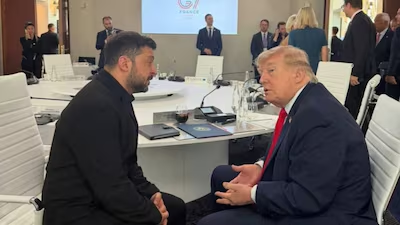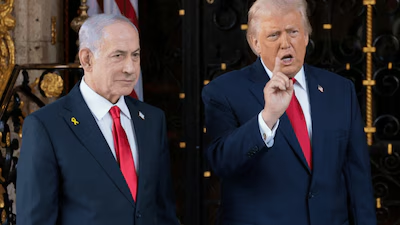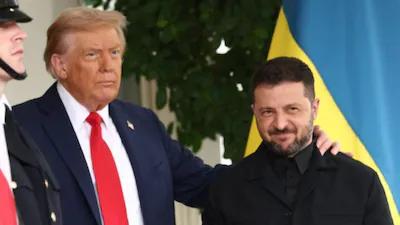
Washington, October 11, 2026: US President Donald Trump has intensified his criticism of Ukrainian President Volodymyr Zelenskyy, arguing that Ukraine needs a different leader who can negotiate an end to the war with Russia. His remarks followed a disagreement over Ukrainian attacks on Russian oil refineries and a newly announced arrangement involving Russian diesel supplies.
The comments signal another strain in relations between Washington and Kyiv, as the two sides disagree over how to end the conflict and how much economic pressure should be maintained on Moscow.
Trump has repeatedly urged Ukraine to stop targeting Russian energy infrastructure, arguing that the attacks are contributing to fuel supply pressures and higher diesel prices. Zelenskyy, meanwhile, has criticised the US-Russia arrangement, warning that additional revenue from energy exports could help finance Russia's continuing military campaign.
Trump Links Refinery Attacks to Fuel Market Pressures
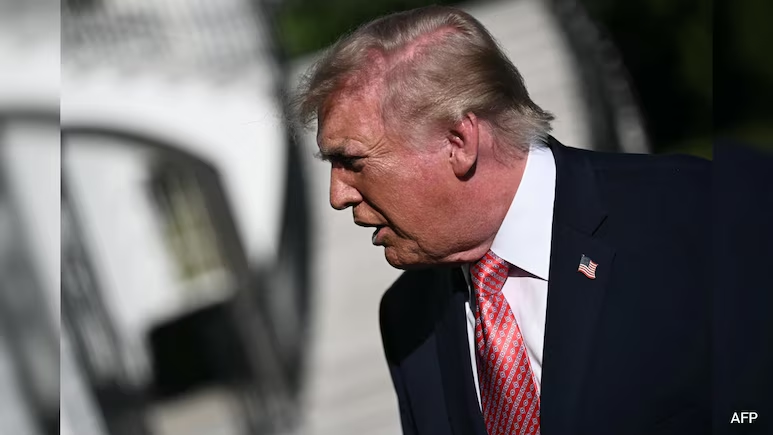
Speaking to reporters outside the White House on Saturday, Trump said Zelenskyy had failed to take opportunities to negotiate an agreement with Moscow. He suggested that Ukraine should choose a leader prepared to secure a deal to end the fighting.
Trump also blamed Ukrainian strikes on Russian oil refineries for worsening diesel supply concerns. He argued that damage to Russian energy infrastructure was creating problems for international fuel markets, including for American farmers and agricultural businesses that depend heavily on diesel.
The dispute has become particularly sensitive as rising energy costs create domestic political pressure in the United States ahead of November's midterm elections.
However, fuel prices are influenced by several factors, including international crude oil prices, refining capacity, shipping conditions and geopolitical instability. The extent to which Ukrainian attacks alone are responsible for higher diesel prices remains a matter requiring careful assessment.
US-Russia Diesel Arrangement Triggers Kyiv's Objections
Trump's criticism came shortly after he announced an agreement with Russian President Vladimir Putin involving Russian diesel supplies. The arrangement is intended to increase available fuel supplies amid elevated energy prices.
The move has raised concerns in Ukraine because revenue from Russian energy exports can support the country's economy and, indirectly, its capacity to sustain military operations.
Zelenskyy criticised the decision to ease restrictions on Russian diesel, arguing that additional export earnings could help Moscow purchase equipment and components needed for weapons production.
The Ukrainian government has maintained that economic pressure remains an important element of efforts to limit Russia's ability to continue the war. From Kyiv's perspective, allowing additional Russian energy exports risks weakening that pressure at a time when the conflict remains unresolved.
The disagreement reflects a broader divide over whether easing selected restrictions could help address immediate energy-market concerns or instead provide Moscow with additional financial resources.
Ukraine Defends Its Right to Choose Its President
Ukraine's Foreign Minister Andrii Sybiha responded to Trump's comments by defending Zelenskyy's position and emphasising that the country's leadership must be determined by Ukrainians.
His response underlined Kyiv's objection to outside pressure over the country's political leadership. Ukraine has continued to seek international support while resisting Russia's invasion, and its government maintains that any peace agreement must account for the country's security and sovereignty.
Trump's remarks have therefore introduced another point of tension beyond the immediate disagreement over energy supplies. They also raise questions about how Washington intends to balance pressure for a negotiated settlement with continued cooperation with the Ukrainian government.
Civilian Casualties Add to the Conflict's Urgency
The political dispute unfolded amid continued Russian attacks on Ukrainian territory. Ukrainian officials reported that Russian strikes in the Zaporizhzhia region killed at least 20 people on Saturday, including children, according to reports available at the time.
The latest casualties illustrate the continuing human cost of the war, even as diplomatic efforts focus on possible negotiations and economic arrangements.
Both Russia and Ukraine continue to pursue military objectives while attempting to influence the other side's ability to sustain the conflict. Ukraine's attacks on Russian energy infrastructure are part of Kyiv's effort to impose economic costs on Moscow, while Russian strikes continue to threaten Ukrainian cities and infrastructure.
What the Dispute Means for Future Peace Efforts
The latest exchange highlights the difficulty of coordinating US and Ukrainian approaches to ending the war. Trump is pressing for negotiations and has linked energy-market concerns to Ukraine's military strategy. Kyiv, however, argues that concessions benefiting Russia could undermine its security and strengthen Moscow's ability to continue fighting.
Whether the disagreement leads to a broader deterioration in US-Ukraine cooperation will depend on subsequent diplomatic contacts, decisions concerning intelligence and military support, and progress towards negotiations.
For now, Trump's demand for new Ukrainian leadership represents a sharp escalation in public criticism, while the dispute over Russian diesel supplies has become another obstacle in an already complicated effort to find a lasting settlement.