The BJP-led National Democratic Alliance (NDA) recorded a strong performance in the latest Legislative Council elections across Uttar Pradesh, Karnataka, Bihar and Maharashtra, while opposition parties secured notable victories in several constituencies.
The elections, held on October 23, covered 28 seats representing graduate and teacher constituencies across the four states. The results offer a snapshot of political support among these electorates ahead of upcoming state assembly elections, although they do not necessarily reflect voting preferences across the wider population.
BJP Maintains Its Position in Uttar Pradesh
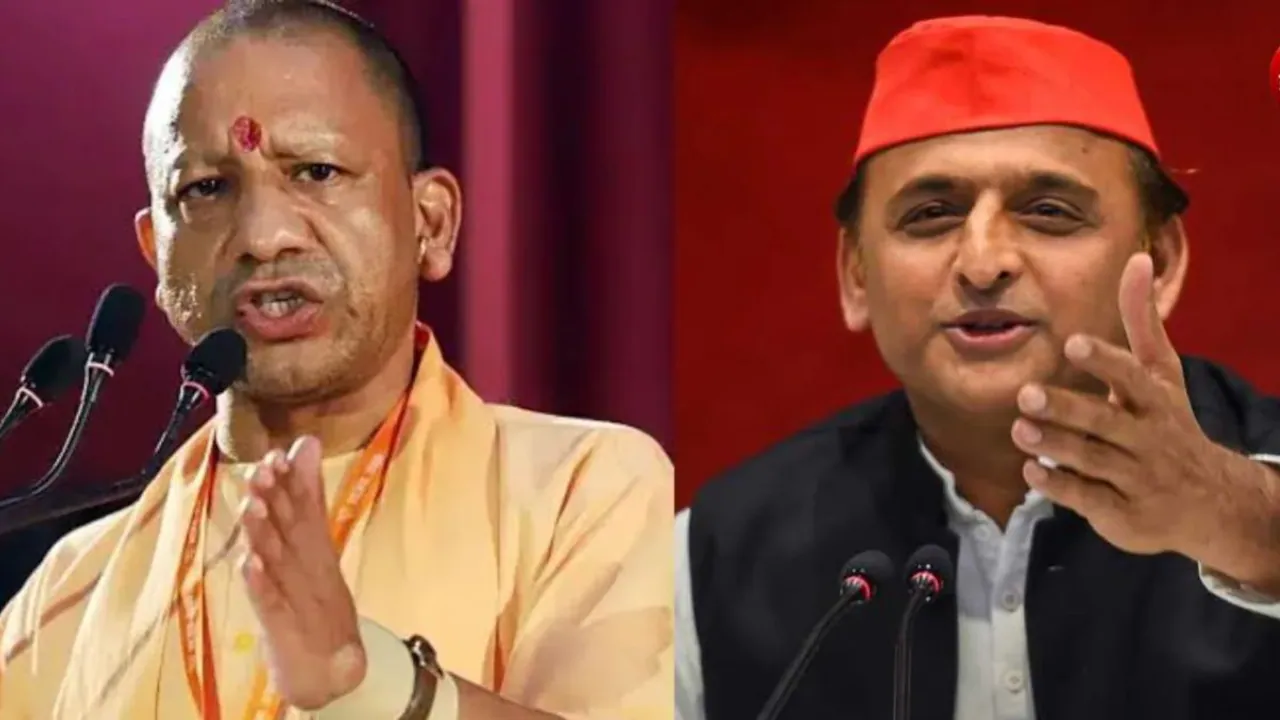
In Uttar Pradesh, the BJP retained six of the 11 Legislative Council seats contested, while the Samajwadi Party (SP) won five, increasing its tally compared with the previous election.
The results highlighted a closely fought contest between the two parties. The BJP retained several seats, including constituencies in Meerut, Lucknow, Bareilly-Moradabad, Agra and Gorakhpur-Faizabad.
However, the Samajwadi Party registered important victories, including both graduate and teacher constituencies in Varanasi. The party also won seats in Agra, Lucknow and the Allahabad-Jhansi graduate constituency.
The Varanasi results attracted particular attention because the city is represented in the Lok Sabha by Prime Minister Narendra Modi. The SP's performance gives the opposition party additional momentum as Uttar Pradesh prepares for its next assembly election in 2027.
The outcome indicates that the BJP continues to hold a substantial position in the state's Legislative Council, while the SP has strengthened its representation through gains in several constituencies.
NDA Sweeps All Four Seats in Karnataka
Karnataka delivered the clearest result for the BJP-led alliance, with the NDA winning all four seats contested.
The BJP secured three constituencies: North-East Teachers, South-East Graduates and West Graduates. Its ally, the Janata Dal (Secular), won the Bengaluru Teachers' constituency.
The result was a setback for the ruling Congress, which failed to win any of the four seats.
The Bengaluru Teachers' constituency was among the most closely watched contests. JD(S) candidate A P Ranganath defeated sitting Congress MLC Puttanna, delivering a significant victory for the alliance.
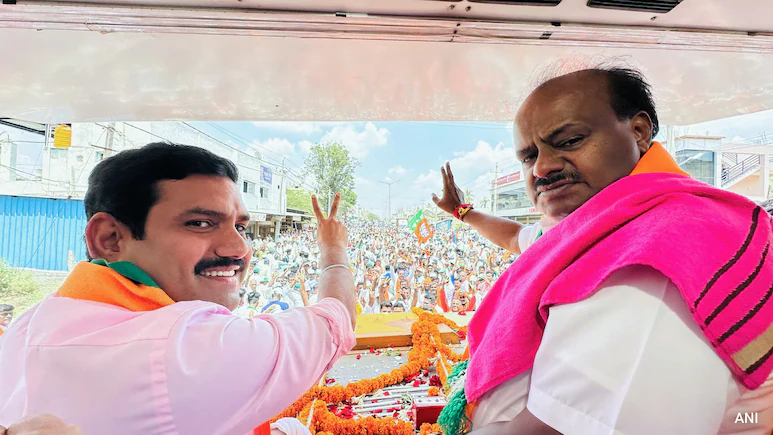
The result also tested coordination between the BJP and JD(S), which contested the elections together. Leaders from both parties welcomed the outcome, while Congress leaders said the party would examine the reasons for its losses.
Maharashtra Opposition Alliance Wins Three Seats
In Maharashtra, the opposition Maha Vikas Aghadi (MVA) won three of the five contested seats, while the ruling Mahayuti alliance secured two.
The Congress recorded a significant victory in the Nagpur Division Graduates' constituency. Its candidate, Abhijit Vanjari, defeated the BJP's Sudhakar Kohale by 3,271 votes after a lengthy counting process.
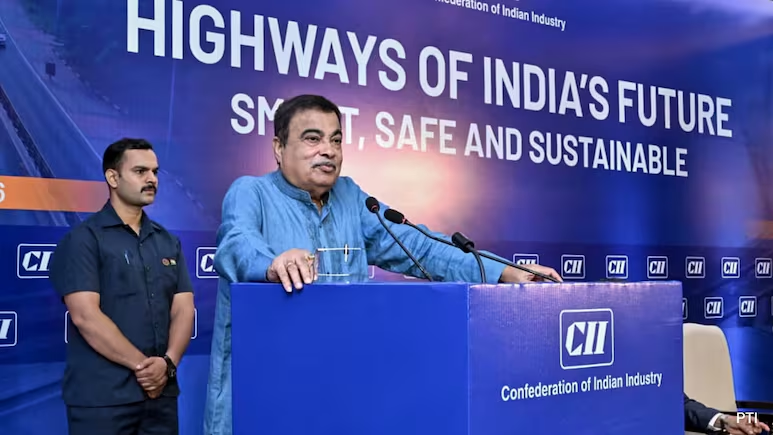
The result was particularly notable because Nagpur is the home city of Chief Minister Devendra Fadnavis and Union Minister Nitin Gadkari. The BJP had campaigned extensively in the constituency.
The Congress victory also prompted opposition leaders to criticise BJP leaders who had earlier suggested that the party would fail to win any seats.
The wider Maharashtra contest was affected by rebel candidates and internal disagreements within both alliances. These divisions influenced several constituencies and complicated efforts by the official candidates to consolidate their respective vote bases.
Bihar Produces a Mixed Outcome
Bihar also featured in the four-state election exercise, with the NDA winning four of the eight contested seats and improving its previous tally.
The results included victories for BJP and Janata Dal (United) candidates, while opposition parties and independent candidates also secured representation.
The Jan Suraaj Party won a Legislative Council seat, marking a development in its efforts to establish a presence in Bihar's political institutions.
The contests highlighted differences in local political alignments and the importance of candidate selection, alliances and organisational strength in graduate and teacher constituencies.
What the Results Mean for Upcoming Elections
The latest MLC results provide political parties with an opportunity to assess their organisational performance before upcoming assembly elections.
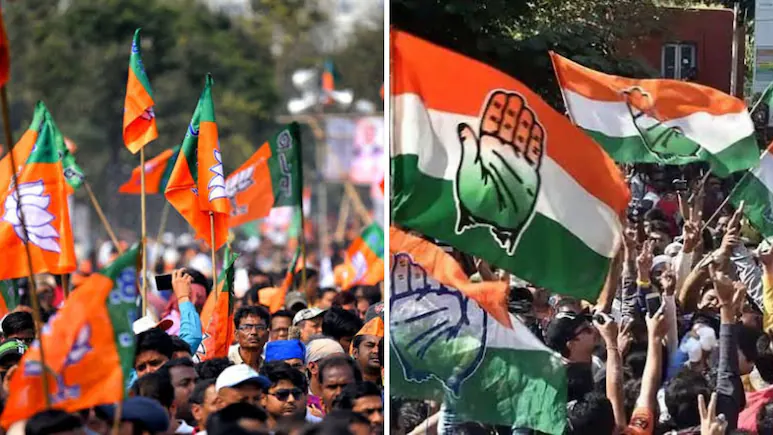
The BJP-led NDA demonstrated its strength in Karnataka and retained its advantage in Uttar Pradesh. At the same time, the Samajwadi Party's gains in Uttar Pradesh and the MVA's victories in Maharashtra showed that opposition parties remain competitive in several constituencies.
However, Legislative Council elections involving graduate and teacher electorates represent a limited section of voters. Their outcomes should therefore be interpreted separately from assembly elections, which involve a much broader electorate.
For political parties, the results offer lessons about candidate selection, alliance coordination and constituency-level campaigning as they prepare for future electoral contests.